
Intake data re-entered across scheduling, clinical and billing tools
01Front-desk staff key the same demographics and insurance details into two or three systems. Every re-entry is a chance for a mismatched member ID or a denied claim downstream.
We design and build patient-facing applications, administrative platforms and AI-assisted workflows that read from and write to your existing EHR, practice management and billing systems through FHIR, HL7 v2 or vendor APIs, with access logging and human review built in from day one.
HealthTech founders, provider groups, healthcare administrators and life sciences operations teams









THE OPERATIONAL GAP
Most healthcare software projects don't fail on features. They fail where data crosses systems, roles and handoffs. These are the gaps we look for first.
Front-desk staff key the same demographics and insurance details into two or three systems. Every re-entry is a chance for a mismatched member ID or a denied claim downstream.
Inbound referrals and lab results land in shared inboxes and fax queues with no assigned owner, no due date and no way to tell whether anyone acted on them.
Patient, provider and location IDs differ between the EHR, the billing platform and the data warehouse, so every quality or operations report starts with manual matching.
Shared logins, broad roles and exports to spreadsheets make it hard to apply minimum-necessary access or answer who viewed a record and when.
Front-desk staff key the same demographics and insurance details into two or three systems. Every re-entry is a chance for a mismatched member ID or a denied claim downstream.
Inbound referrals and lab results land in shared inboxes and fax queues with no assigned owner, no due date and no way to tell whether anyone acted on them.
Patient, provider and location IDs differ between the EHR, the billing platform and the data warehouse, so every quality or operations report starts with manual matching.
Shared logins, broad roles and exports to spreadsheets make it hard to apply minimum-necessary access or answer who viewed a record and when.
WHAT WE BUILD
Each product is scoped around one authoritative record, the systems it must integrate with, and the people allowed to act on it.
01
Self-scheduling, digital intake, consent capture, secure messaging and results access, connected to your EHR so staff never retype what patients submitted.
02
Referral management, prior-authorization tracking, document queues and task routing with clear ownership, due dates and audit history.
03
Multi-tenant products for virtual care, remote monitoring or practice operations, designed for per-customer data isolation and EHR connectivity from the start.
04
Study start-up trackers, controlled document repositories and sample or site workflows for life sciences teams that need versioning and sign-off trails.
01
Self-scheduling, digital intake, consent capture, secure messaging and results access, connected to your EHR so staff never retype what patients submitted.
02
Referral management, prior-authorization tracking, document queues and task routing with clear ownership, due dates and audit history.
03
Multi-tenant products for virtual care, remote monitoring or practice operations, designed for per-customer data isolation and EHR connectivity from the start.
04
Study start-up trackers, controlled document repositories and sample or site workflows for life sciences teams that need versioning and sign-off trails.
WORKFLOW EXAMPLE
An example intake flow. Exact systems, permissions and exception rules are agreed with your clinical and operations leads.
InputPatient web or mobile intake form, or uploaded referral document
OutputStructured intake record with source, timestamp and attachments
01InputStructured intake record
OutputVerified demographics, insurance details and recorded consent
02InputVerified intake data
OutputLinked patient record via FHIR or vendor API, or a flagged possible duplicate
03InputPossible duplicates, missing insurance, low-confidence document fields
OutputStaff-resolved record with reviewer and reason logged
Review required
04InputResolved patient record
OutputScheduled appointment or task, notifications to permitted users, full event history
05SYSTEM DESIGN
A reference design we adapt to your EHR, hosting environment and data boundaries. Not every organization needs every component.
Patient portal and intake API -> Identity, consent and access service -> Workflow engine and document extraction -> FHIR / HL7 integration layer -> EHR, practice management and billing systems
01
Collects patient and referral input, validates required fields and stores submissions encrypted with a full source record.
02
Verifies patients and staff, records consent, and enforces role- and relationship-based access to each record.
03
Routes tasks, applies business rules, and extracts fields from documents with confidence scores that trigger human review when low.
04
Maps internal records to FHIR resources or HL7 v2 messages and handles retries, idempotency and vendor rate limits.
05
Remain the systems of record; receive validated updates and supply the history shown back to staff and patients.
Technology
A working set we already use for workflow software. The exact tools are chosen after the interfaces, records, and review points are known.
DESIGN TRADE-OFFS
We settle these early, with your data and vendor documentation in hand, because they drive most of the budget.
Certified EHRs expose FHIR APIs, but write access, available resources and app registration vary by vendor and by your contract. Older interfaces may still need HL7 v2 feeds or an integration engine.
Confirm with your EHR vendor's developer documentation, sandbox access and your contract terms.
Standard forms are handled more reliably with templates and rules. AI extraction earns its cost on variable documents such as referral letters, provided low-confidence fields go to a person.
Measure field-level accuracy on a de-identified sample of your real documents.
Scheduling, intake and document routing can be automated aggressively. Anything that informs diagnosis or treatment needs clinical validation and may raise FDA software-as-a-medical-device questions.
Classify each feature's intended use with your clinical and regulatory leads before build.
Certified EHRs expose FHIR APIs, but write access, available resources and app registration vary by vendor and by your contract. Older interfaces may still need HL7 v2 feeds or an integration engine.
Confirm with your EHR vendor's developer documentation, sandbox access and your contract terms.
Standard forms are handled more reliably with templates and rules. AI extraction earns its cost on variable documents such as referral letters, provided low-confidence fields go to a person.
Measure field-level accuracy on a de-identified sample of your real documents.
Scheduling, intake and document routing can be automated aggressively. Anything that informs diagnosis or treatment needs clinical validation and may raise FDA software-as-a-medical-device questions.
Classify each feature's intended use with your clinical and regulatory leads before build.
SECURITY & COMPLIANCE
Controls are specified against your data flows, hosting model and the HIPAA Security Rule's administrative, physical and technical safeguards, then tested before release.
HIPAA obligations depend on whether you are a covered entity or business associate and on how PHI flows; a Business Associate Agreement may be required. FHIR connectivity depends on your EHR vendor's interface support and access terms.
Every view, export and change to patient data is logged with user, time and reason, and the logs are retained and reviewable by your compliance team.
Front desk, clinical, billing and patient users see only the fields their role requires, enforced in the API rather than only in the interface.
AI suggestions never finalize clinical, coverage or patient-identity decisions; they queue for a named reviewer with the evidence attached.
Data is encrypted in transit and at rest, retention follows your record policy, and breach detection and notification steps are documented with your team.
DELIVERY APPROACH
Each phase ends with something your team can review and sign off, not just a status update.
01
Inventory EHR, billing and scheduling interfaces, data owners and the PHI each workflow touches.
Signed system and data-flow inventory, including which interfaces are available under your vendor contracts.
02
Map fields to FHIR resources or HL7 messages and click-test the intake and exception screens with staff.
Approved field mappings, exception list and a clickable prototype tested with front-line users.
03
Deliver a thin, working slice end to end against your EHR sandbox.
One complete workflow running in a test environment with real roles and synthetic patients.
04
Run authorized and unauthorized access tests, duplicate-patient scenarios and interface failure cases.
Test report covering access control, duplicate handling, interface outages and audit-log completeness.
05
Go live in a limited scope with monitoring and rollback ready.
Production runbook, alerting, rollback plan and named operational owners signed off.
Published work
A published project in this industry is not in the portfolio yet. These are published projects from other operations. The industry on each card is the one that work was built for.

EdTech / Student Management
The client needed one system to manage student activities without using separate tools or manual records.
Read the project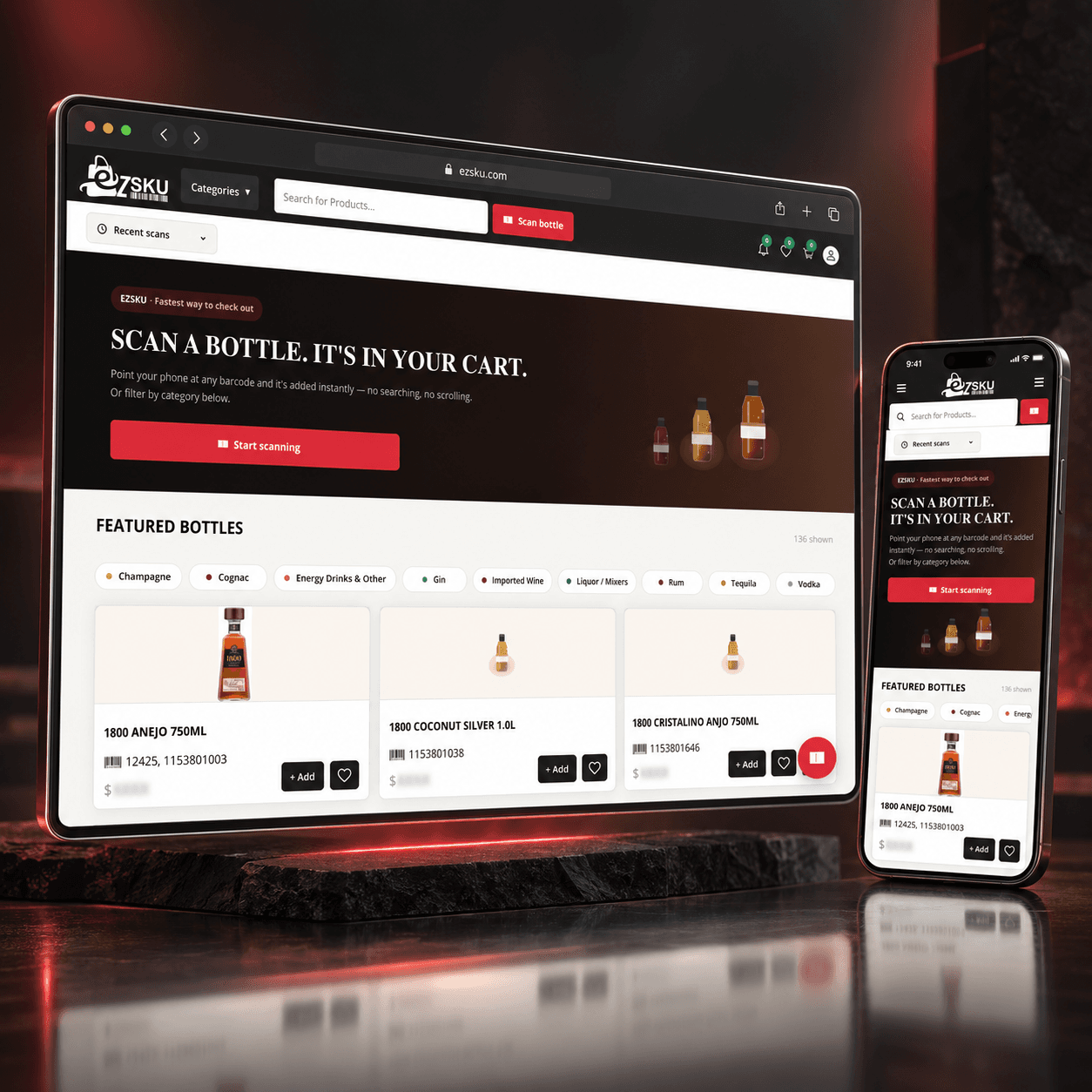
E-commerce / Beverage and Liquor Distribution
The client was facing several problems in the existing product search and ordering process:
Read the project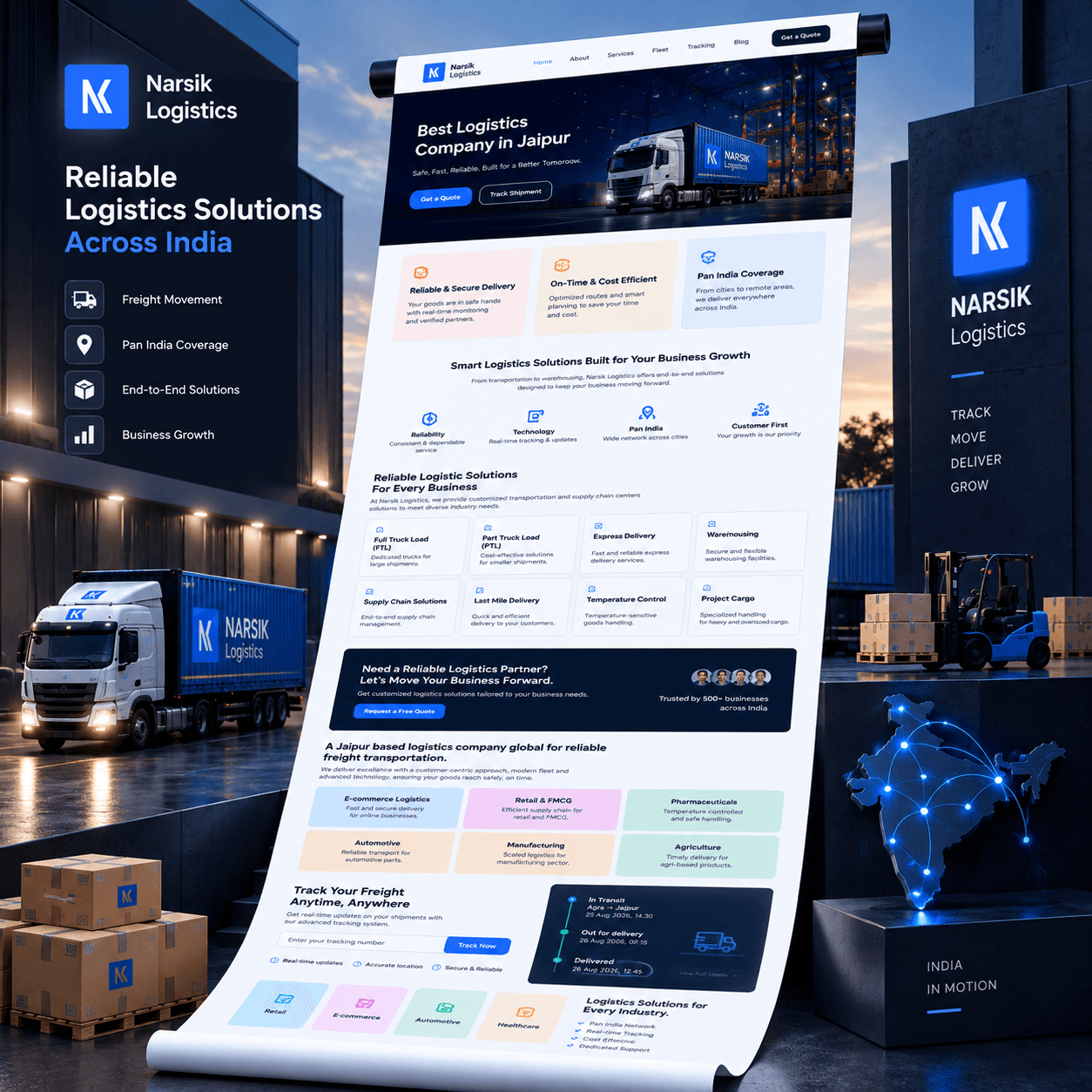
Transport and Logistics
Before building the platform, we identified the main issues in customer communication and shipment handling.
Read the projectFrom the journal
Recent notes from the team. Pieces that match this industry are shown first.
PROJECT PLANNING
A first conversation covers these questions. Most can be answered by your operations lead and EHR administrator.
Which EHR and practice management systems are in use, and what API access does your contract include?
Which system is the record of truth for demographics, insurance and appointments?
Which roles may view, change or approve each record, and who reviews exceptions?
Does any feature inform clinical decisions, or is the scope administrative?
What does a successful first release look like in measurable terms, such as intake time or re-keyed fields?
EHR sandbox and API credentials
Business Associate Agreement where PHI is handled
De-identified sample documents and data
Clinical or compliance reviewer availability
EHR sandbox and API credentials
Business Associate Agreement where PHI is handled
De-identified sample documents and data
Clinical or compliance reviewer availability
Usually, yes, but the route depends on the vendor and your contract. We start with the vendor's FHIR API where it supports what you need, and fall back to HL7 v2 feeds, an integration engine or vendor-specific APIs where it doesn't. We confirm sandbox access, write permissions and app-registration requirements before committing to a design.
Software alone can't be HIPAA compliant; compliance depends on how your organization uses it. We build the technical safeguards the HIPAA Security Rule expects, including access controls, audit logs, encryption and integrity checks, and document them so your compliance team can assess the deployed system.
Yes, for extraction and classification, with limits. We test accuracy on a de-identified sample of your documents, send low-confidence fields to staff for review, and keep a person responsible for anything that affects identity, coverage or care.
Most teams should start administrative: intake, scheduling, referral routing or prior-authorization tracking. These deliver measurable time savings with lower regulatory risk, and they build the integration foundation clinical features need later.
A focused first release, such as a patient intake workflow connected to one EHR, is typically scoped in weeks rather than months. EHR access approval and vendor app review are often the longest lead items, so we start those in the first phase.
You own the application we build for you and the records it stores. Vendor systems such as the EHR remain under your existing contracts. We document what is transferred, what stays in the source system, and how access is revoked when a user or vendor changes.
It can run in your cloud account or in an environment you approve. The hosting choice follows your data agreements, the EHR vendor's network requirements, and who is responsible for backups and access reviews.
One workflow, one system of record, and the roles that touch it. Intake, referral routing, or a staff queue is a typical start. Clinical decision support is left out until the administrative path is stable and a clinical owner has classified the intended use.
We can stay on for fixes, interface changes, and the next workflow, or hand the repository and runbooks to your team. The handover includes how to rotate credentials, read the audit log, and roll back a release.
Tell us which systems you run, who uses them and where the work breaks down. We'll come back with a feasible first release and what it depends on.
Tell us how the work runs today, which systems already hold the data, and what a useful first release would change. We use that to judge scope before anyone writes a proposal.
The form goes to a solutions architect at THE TISA. You get a direct reply on fit, approach, and what we would need from your team.
Tell us about the workflow or product. A solutions architect replies within one business day.

