
Inventory counts diverge across stores and channels
01Store, warehouse and marketplace stock sync on different schedules, so items sell out online while stock sits elsewhere, or oversell during promotions.
We build storefront experiences and the operations software behind them, connecting your commerce platform, ERP, warehouse and support tools so stock, orders and returns tell the same story everywhere.
Retail brands, omnichannel merchants and commerce operations teams









THE OPERATIONAL GAP
Customers notice when systems disagree: oversold items, wrong delivery dates, refunds that take weeks. These are the root causes we look for.
Store, warehouse and marketplace stock sync on different schedules, so items sell out online while stock sits elsewhere, or oversell during promotions.
Attributes, sizes and images are maintained separately per channel, causing listing rejections, poor search results and avoidable returns.
Split shipments, partial refunds and exchanges are handled across the storefront, warehouse system and helpdesk with no single status.
Agents switch between three or four tools to answer 'where is my order?', and still can't see warehouse or carrier exceptions.
Store, warehouse and marketplace stock sync on different schedules, so items sell out online while stock sits elsewhere, or oversell during promotions.
Attributes, sizes and images are maintained separately per channel, causing listing rejections, poor search results and avoidable returns.
Split shipments, partial refunds and exchanges are handled across the storefront, warehouse system and helpdesk with no single status.
Agents switch between three or four tools to answer 'where is my order?', and still can't see warehouse or carrier exceptions.
WHAT WE BUILD
We extend proven commerce platforms rather than replacing them, and build custom software where your operations differ.
01
Fast, custom front ends on Shopify, BigCommerce, commercetools or similar, keeping the platform's checkout and payments.
02
A single view of available-to-sell stock and order status across locations, with allocation rules your team can adjust.
03
Centralized product data, attribute validation and channel-specific publishing, with AI-assisted enrichment reviewed by merchandisers.
04
Self-service returns, exchange logic, refund approvals and order context surfaced inside your helpdesk.
01
Fast, custom front ends on Shopify, BigCommerce, commercetools or similar, keeping the platform's checkout and payments.
02
A single view of available-to-sell stock and order status across locations, with allocation rules your team can adjust.
03
Centralized product data, attribute validation and channel-specific publishing, with AI-assisted enrichment reviewed by merchandisers.
04
Self-service returns, exchange logic, refund approvals and order context surfaced inside your helpdesk.
WORKFLOW EXAMPLE
An example order flow. Allocation rules, carriers and exception thresholds are set with your operations team.
InputStorefront, marketplace or in-store order
OutputValidated order with payment authorization and channel source
01InputValidated order and live availability
OutputInventory reservation by location using your allocation rules
02InputReserved order lines
OutputPick request to warehouse, 3PL or store with an idempotency key
03InputWarehouse and carrier events
OutputShipped, split, delayed or short-picked status; exceptions queued for staff
Review required
04InputFinal fulfillment status
OutputCustomer notifications, support view and synced inventory
05SYSTEM DESIGN
A reference design that keeps your commerce platform as the checkout of record and adds reliable event flow around it.
Storefront and commerce platform APIs -> Catalog and inventory service -> OMS, ERP or warehouse connectors -> Event queue and exception handling -> Customer and support interfaces
01
Handle browsing, cart and checkout and emit order events.
02
Maintains product data and available-to-sell stock by location, combining warehouse, store and in-transit counts.
03
Send fulfillment instructions and receive pick, pack and ship events from your existing systems or 3PL.
04
Processes events reliably with retries and de-duplication and routes stock or fulfillment exceptions to owners.
05
Show accurate order status to shoppers and give agents full order context in the helpdesk.
Technology
These tools are already in published projects with a similar shape of work. The set for your release is confirmed once the interfaces and review points are known.
DESIGN TRADE-OFFS
Each of these is a trade between speed of delivery, operating cost and the risk of disappointing customers.
Event-driven updates cut oversell risk during drops and promotions; periodic sync is simpler and fine for slow-moving catalogs. Safety stock rules can bridge the gap.
Review historical oversell and cancellation rates by product type.
Recommendation models need enough traffic and clean product data to beat simple rules such as bestsellers and complementary items. Many catalogs should start with rules.
Test against your traffic volume and catalog completeness.
Replatforming is expensive and risks checkout conversion. Extending with headless front ends, apps and middleware usually delivers faster with less risk.
Audit which current limitations are platform constraints versus configuration.
Event-driven updates cut oversell risk during drops and promotions; periodic sync is simpler and fine for slow-moving catalogs. Safety stock rules can bridge the gap.
Review historical oversell and cancellation rates by product type.
Recommendation models need enough traffic and clean product data to beat simple rules such as bestsellers and complementary items. Many catalogs should start with rules.
Test against your traffic volume and catalog completeness.
Replatforming is expensive and risks checkout conversion. Extending with headless front ends, apps and middleware usually delivers faster with less risk.
Audit which current limitations are platform constraints versus configuration.
SECURITY & COMPLIANCE
We keep sensitive payment data out of your systems wherever possible and design for peak-season failure modes.
The FTC's rule on consumer reviews and testimonials prohibits fake and certain incentivized reviews. PCI DSS scope depends on how card data flows through your systems and providers.
Card data stays with your payment provider through hosted fields or tokenization, keeping your custom systems out of PCI DSS cardholder data scope where possible.
Velocity limits, address and refund-pattern checks flag suspicious orders and returns for review rather than auto-approving them.
Every fulfillment and refund message carries a unique key so retries during outages never ship or refund twice.
Review displays and recommendation logic avoid fabricated or incentivized reviews and disclose sponsored placements.
DELIVERY APPROACH
We plan releases around your trading calendar so nothing risky lands before peak season.
01
Document every sales channel, stock location and which system owns each number.
Signed channel, location and system-of-record map.
02
Reconcile SKUs, variants and location codes across platform, ERP and warehouse.
Identifier mapping with mismatches resolved or listed for cleanup.
03
Deliver one channel's order-to-fulfillment flow end to end.
Working flow processing test orders through to shipment events.
04
Load-test promotions and simulate split shipments, short picks and outages.
Load and failure test results against agreed peak traffic targets.
05
Go live outside peak periods with monitoring of stock drift and failed events.
Monitoring, alerting and rollback plan signed off, with release scheduled away from peak.
Published work
Each card is a published project. The industry on the card is the one that work was built for.
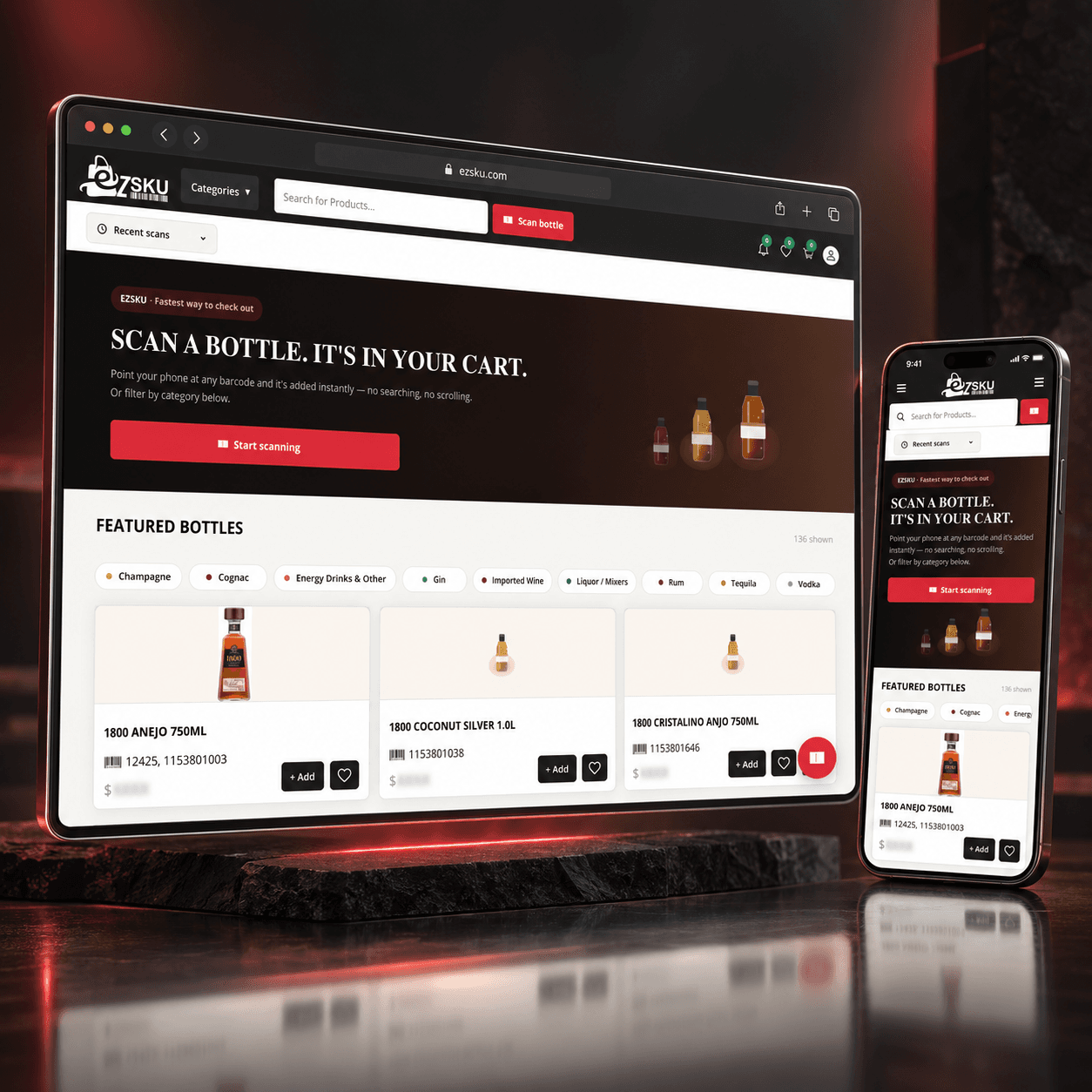
E-commerce / Beverage and Liquor Distribution
The client was facing several problems in the existing product search and ordering process:
Read the project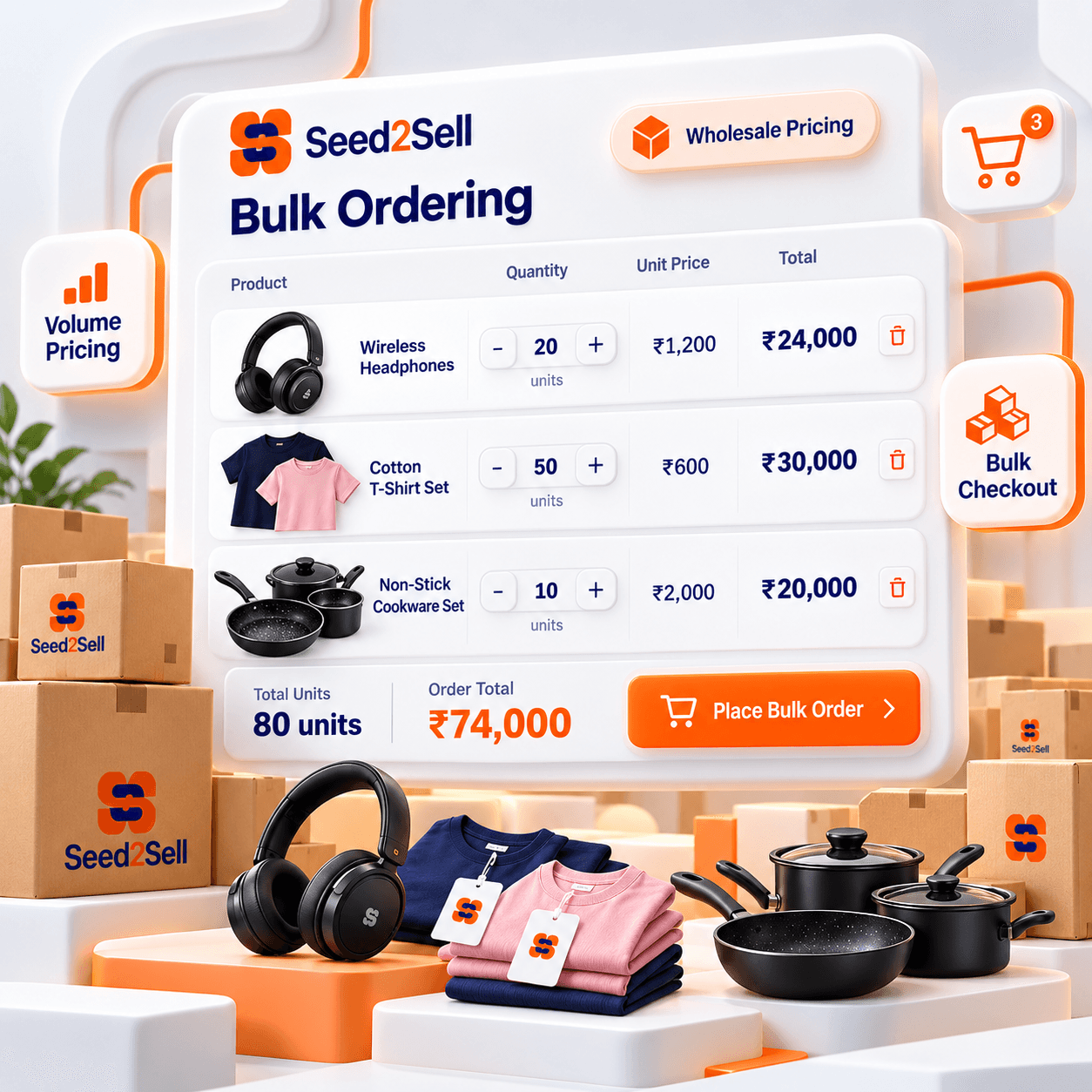
B2B Commerce / Bulk Purchasing
During the planning stage, we found that the B2B buying and selling process needed a well-managed online system.
Read the projectFrom the journal
Recent notes from the team. Pieces that match this industry are shown first.
PROJECT PLANNING
These answers determine whether you need a storefront project, an integration project or both.
Which commerce platform, ERP, warehouse system and 3PLs do you use?
Which system owns stock levels for each location?
How do you handle split shipments, backorders and buy-online-pickup-in-store?
What are your peak trading periods and release freeze dates?
Which measure matters most: conversion, oversell rate, fulfillment time or return cost?
Commerce platform and app permissions
ERP/WMS API or file access
3PL integration specs
Trading calendar and freeze windows
Commerce platform and app permissions
ERP/WMS API or file access
3PL integration specs
Trading calendar and freeze windows
Yes. We use each platform's APIs and webhooks, such as Shopify's Admin API, and your ERP or 3PL's interfaces, with a middleware layer that handles retries, mapping and rate limits so orders and stock stay in sync.
We calculate available-to-sell stock from a single service, update it on events rather than slow batch syncs where risk is high, reserve stock at order time and apply safety buffers for fast-moving items. Drift between systems is monitored and alerted.
Yes, as a drafting tool. We generate attributes and descriptions from your source data, check them against required fields and brand rules, and route them to merchandisers for approval before publishing, so claims stay accurate.
Start with eligibility checks, return label generation and status updates to the customer. Refund approval for high-value or unusual returns should stay with staff, supported by fraud signals.
Only if your current theme limits conversion, content or performance in ways that matter commercially. Headless adds front-end ownership costs, so we compare it with platform-native options first.
You own the application and the orders, inventory, and customer records it stores. Commerce platforms and carriers remain under your vendor accounts. We record which system is allowed to change stock or price.
Yes. The first release connects the systems you already use and defines which one wins when stock or order status disagrees, instead of forcing a single new platform.
A price or promotion change is a recorded action with an owner. It is not applied to the live catalog until the system of record accepts it, so the website and the warehouse do not diverge silently.
One channel, one inventory source, and one exception a person can resolve, such as an oversell or a return that does not match the order. Further channels wait until that path is reliable.
Tell us your platforms, channels and where stock or orders go wrong. We'll propose a first release scheduled around your trading calendar.
Tell us how the work runs today, which systems already hold the data, and what a useful first release would change. We use that to judge scope before anyone writes a proposal.
The form goes to a solutions architect at THE TISA. You get a direct reply on fit, approach, and what we would need from your team.
Tell us about the workflow or product. A solutions architect replies within one business day.

