AI Engineering Studio

Production AI systemsthat ship in the real world.

Agents, RAG, and AI products built around your workflows — designed to run in production, not as a demo.

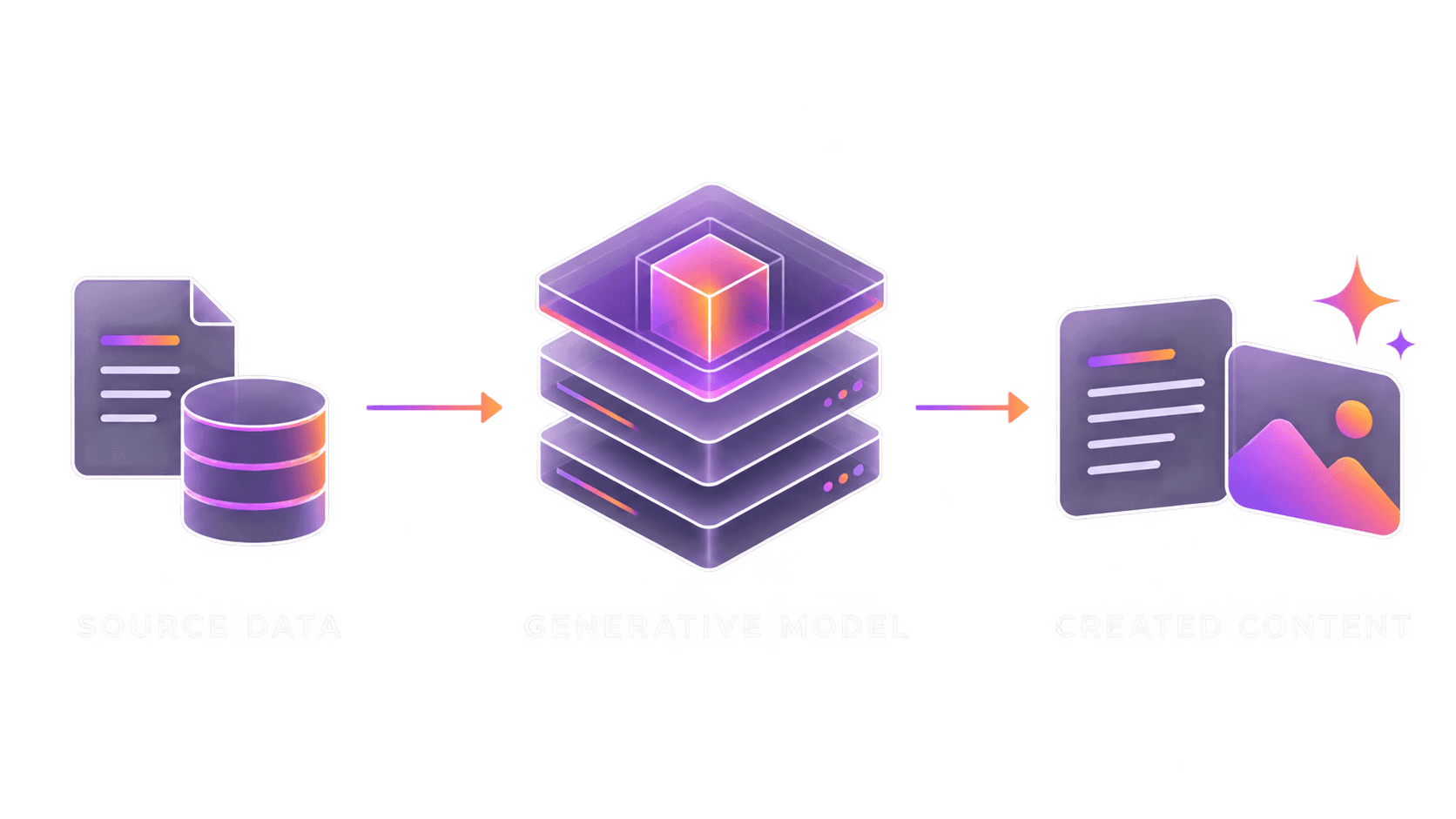
AI agents & RAGEnd-to-end deliveryEvaluation firstSecure by design
AI capabilities

One AI partner. Seven production capabilities.

Start with the business problem, then choose the architecture. THE TISA connects strategy, product engineering, models, retrieval, agents, integrations and production operations into one delivery system.

01 / 07

AI Agent Development

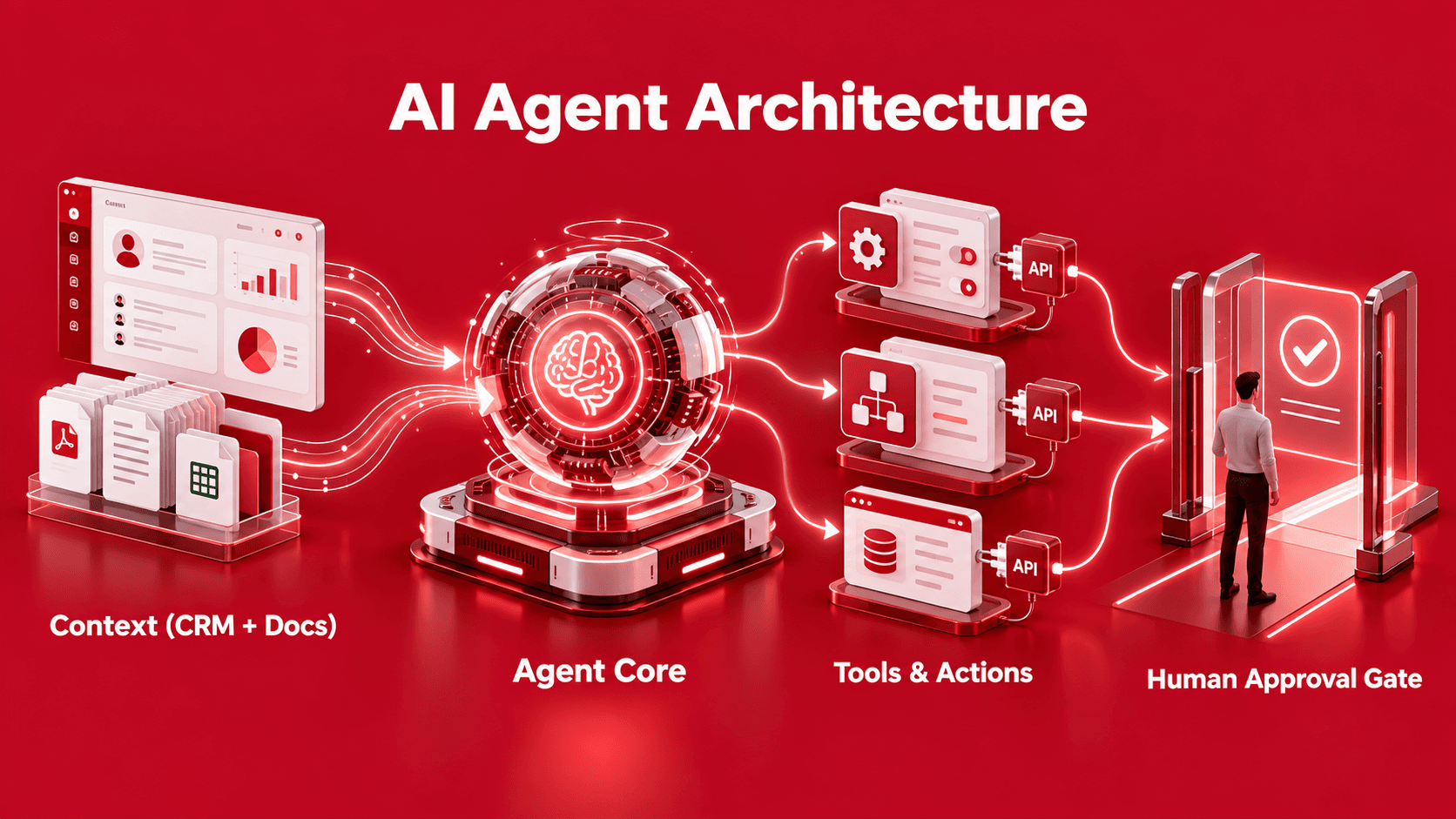
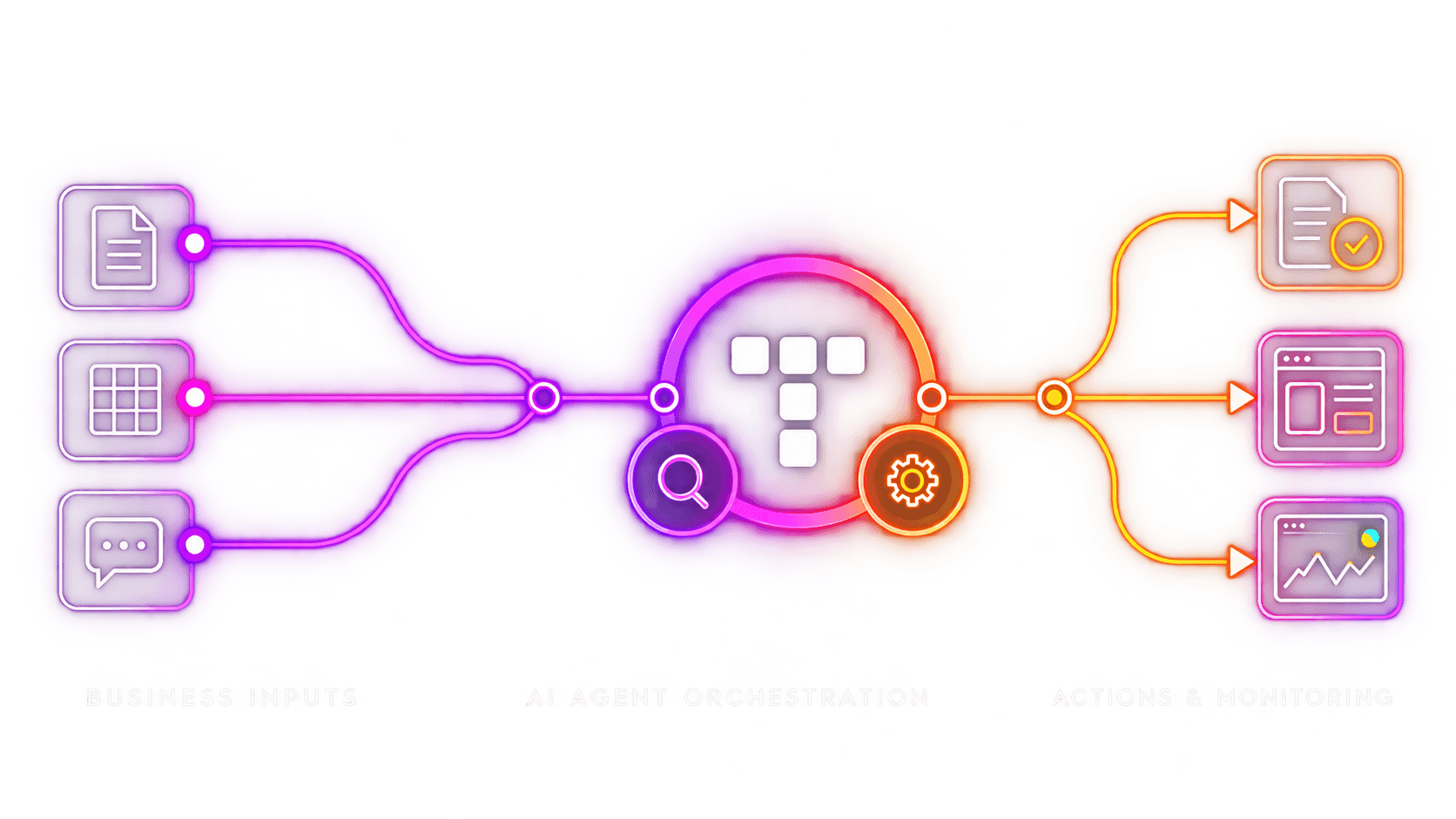
THE TISA designs production AI agents around the work your teams already run—permissions, APIs, business rules and human approval—not isolated chatbot demos. Agents plan, call approved tools, keep state across steps and escalate when a decision needs a person. We ship orchestration, evaluation, logging and fallbacks so the agent can operate in a live environment, not only in a prototype.
Explore
AI Agent Development Company | THE TISA
02 / 07

AI Application Development

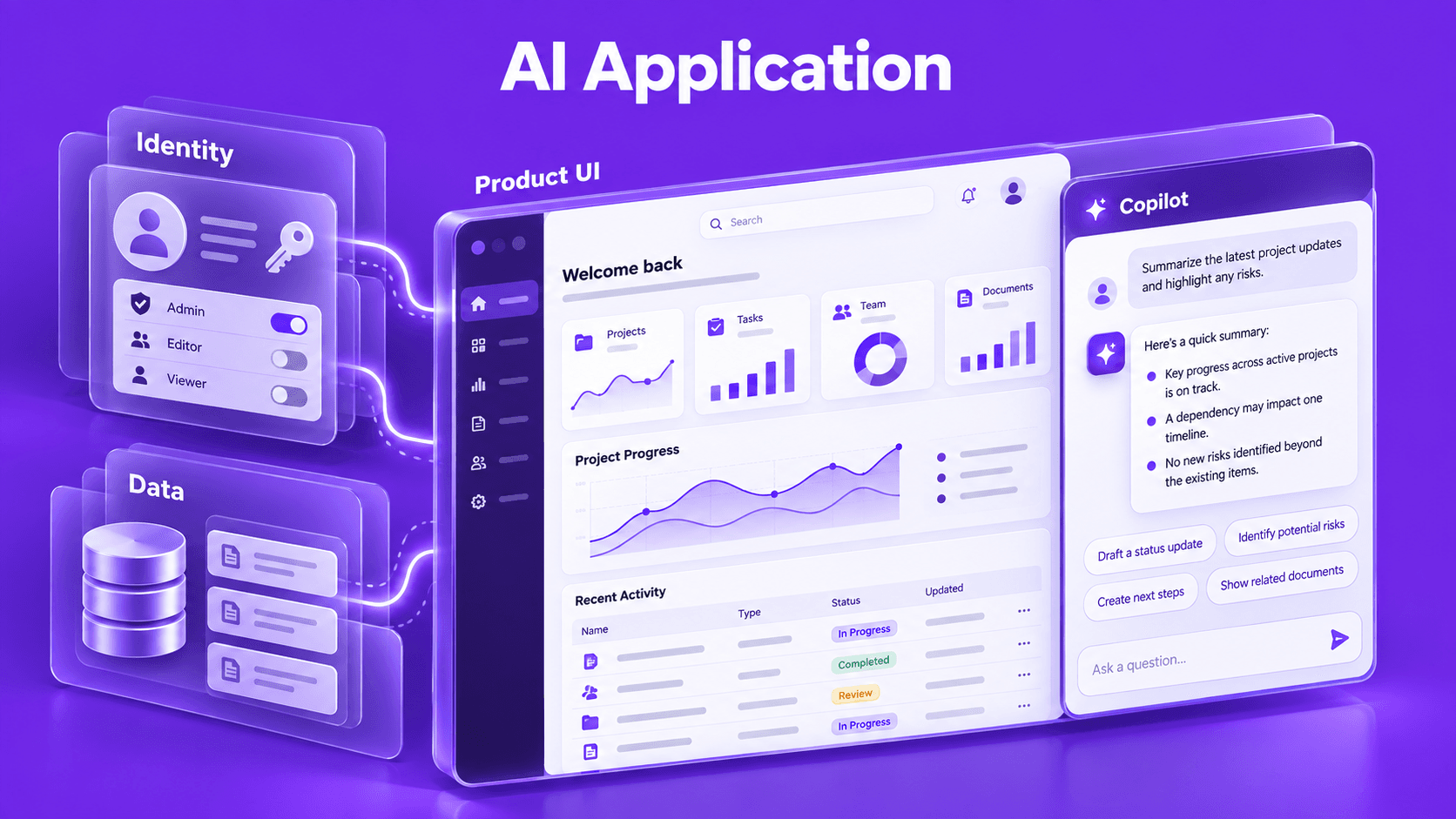
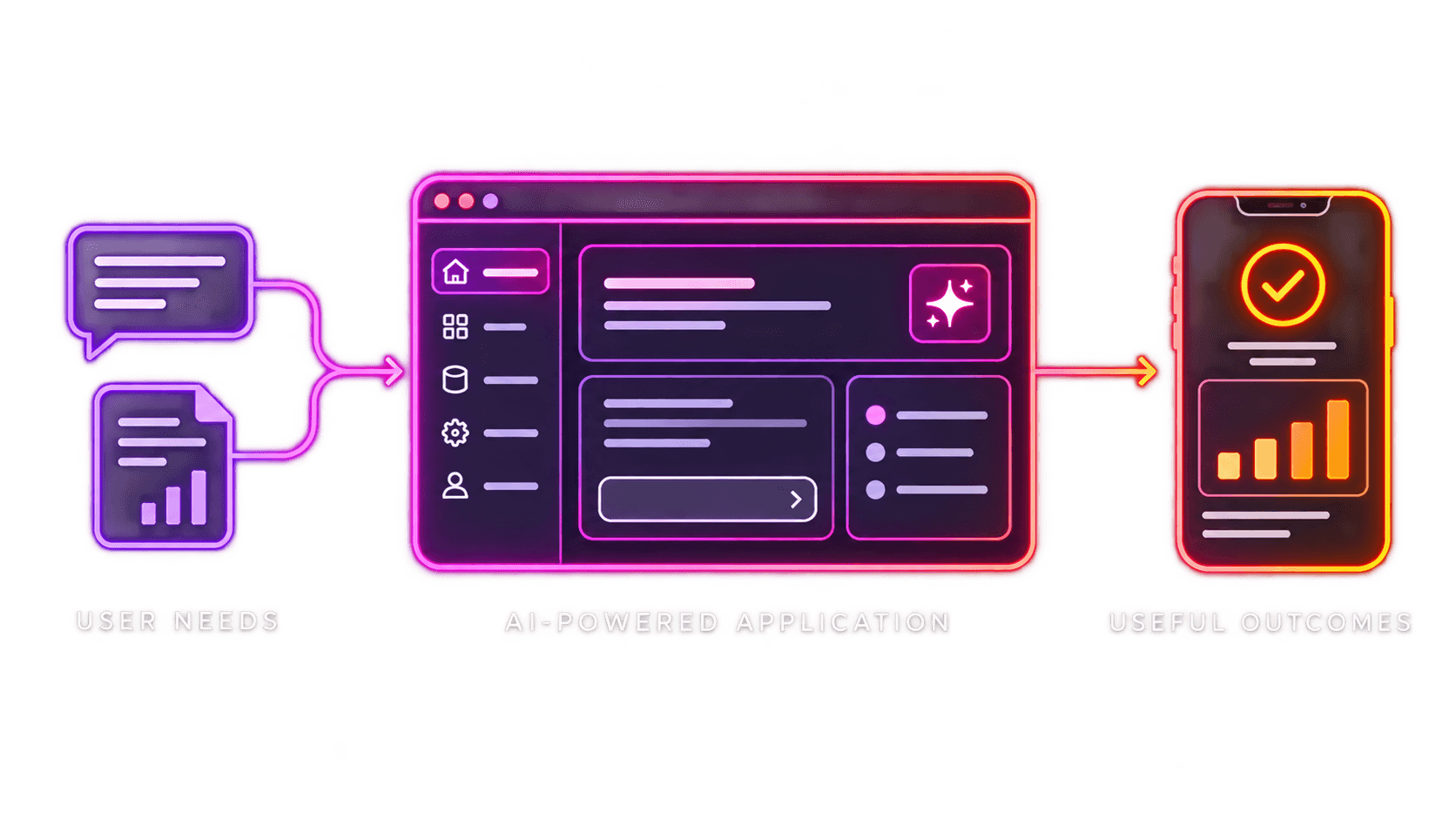
We build complete AI applications that combine product UX, data, orchestration, models, integrations and cloud engineering into one production system. That includes identity, role-based access, audit trails, latency budgets and the interfaces operators actually use. THE TISA delivers internal tools, customer-facing products and copilots as software you can run, measure and iterate—not a model wrapped in a thin UI.

Explore
AI Application Development Company | THE TISA
03 / 07

Generative AI Development

THE TISA builds generative AI features that sit inside real workflows: copilots, conversational systems, document generation, extraction and structured outputs. Every experience is designed with evaluation, grounding, format constraints and cost controls from the first iteration. Model choice, prompt design and product engineering stay coupled so output quality can be measured against the job, not against a demo prompt.

Explore
Generative AI Development Company | THE TISA
04 / 07

RAG Development Services

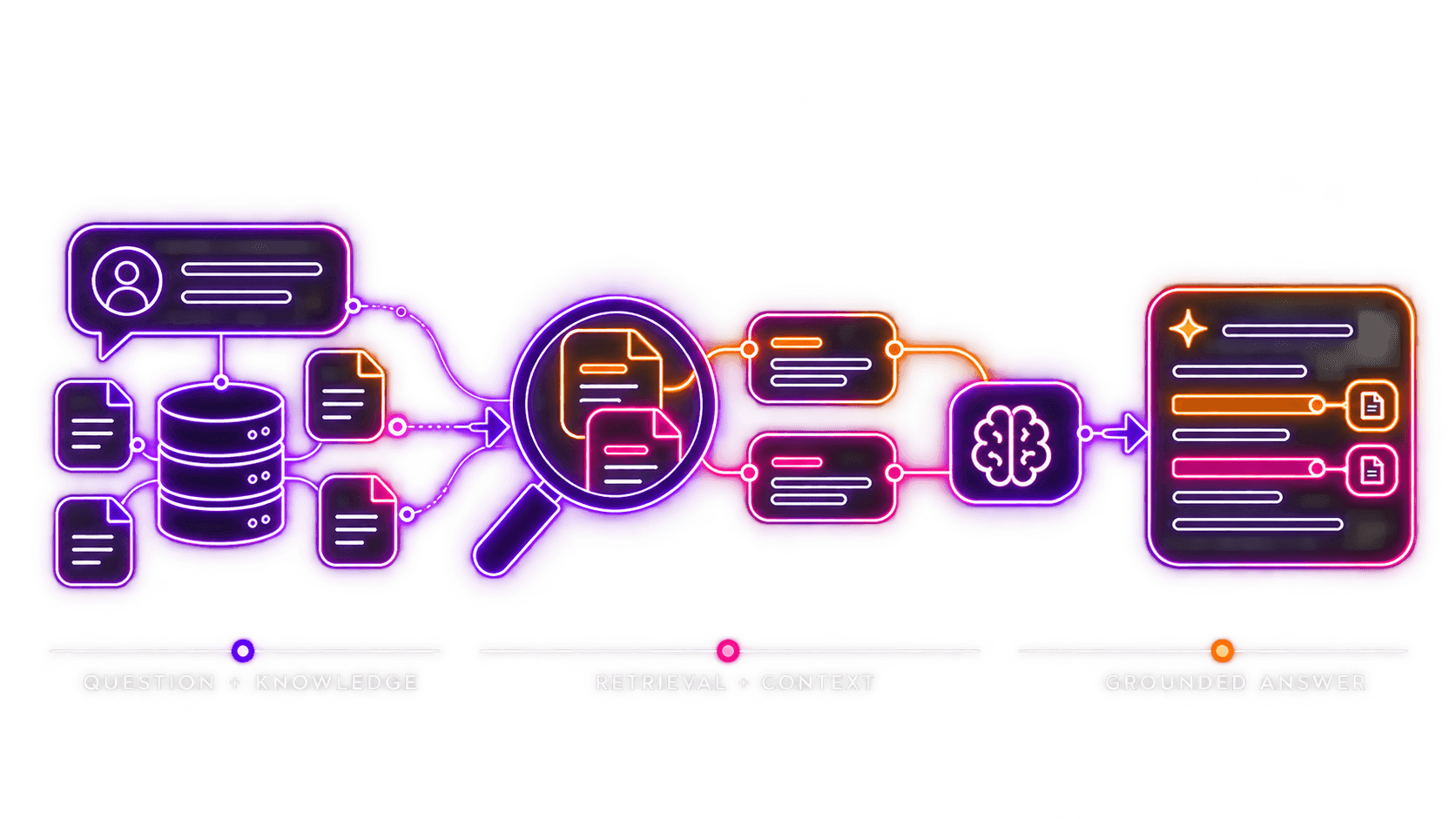
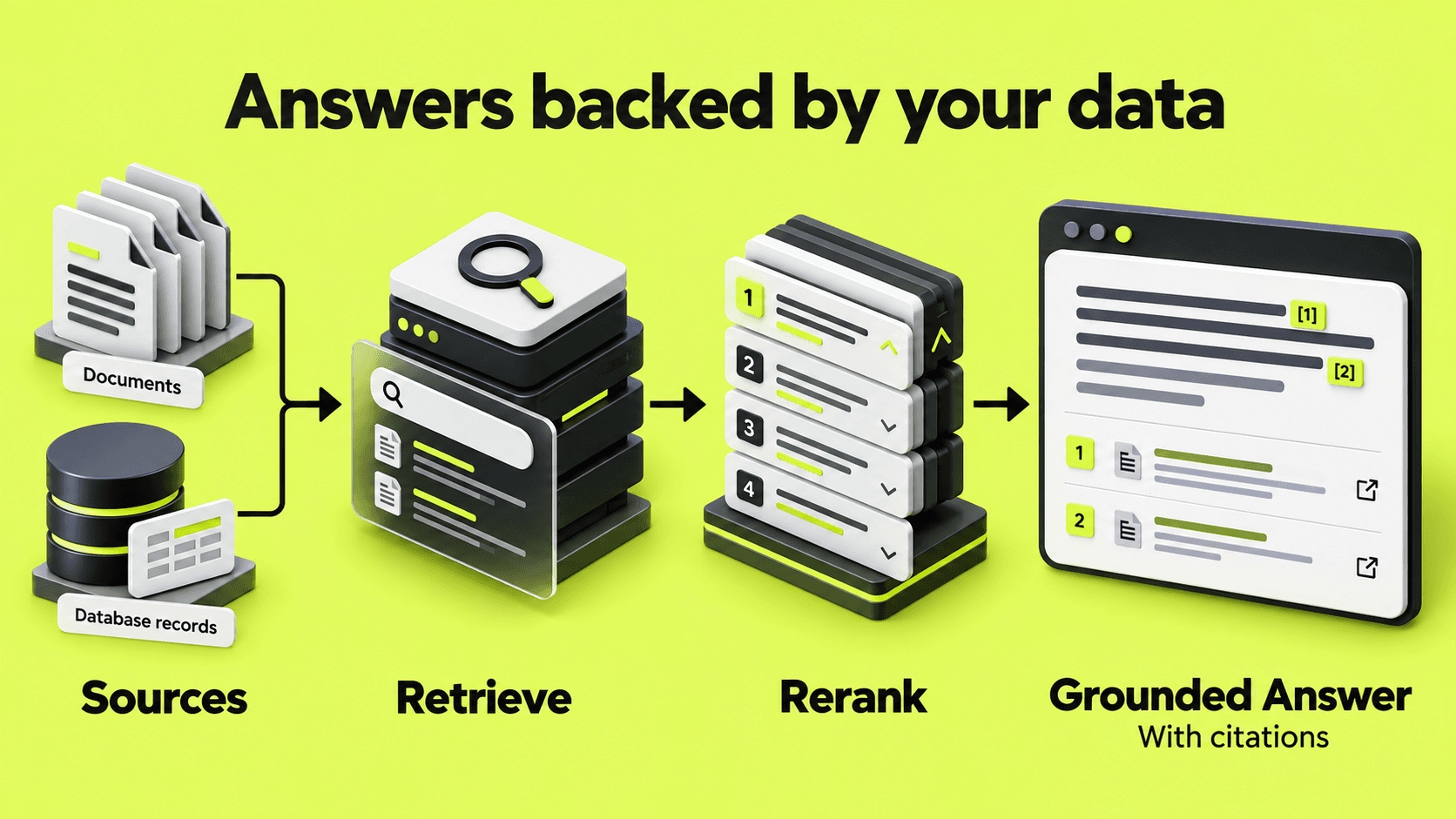
We connect models to documents, databases and internal knowledge with retrieval pipelines, hybrid search, reranking, permissions and citations. THE TISA designs chunking, indexing, access control and freshness so answers stay grounded in approved sources as the corpus grows. Evaluation covers retrieval hit-rate, grounding and refusal behavior—so the system can say “I don’t know” instead of inventing a passage.

Explore
RAG Development Company | THE TISA
05 / 07

AI SaaS Development

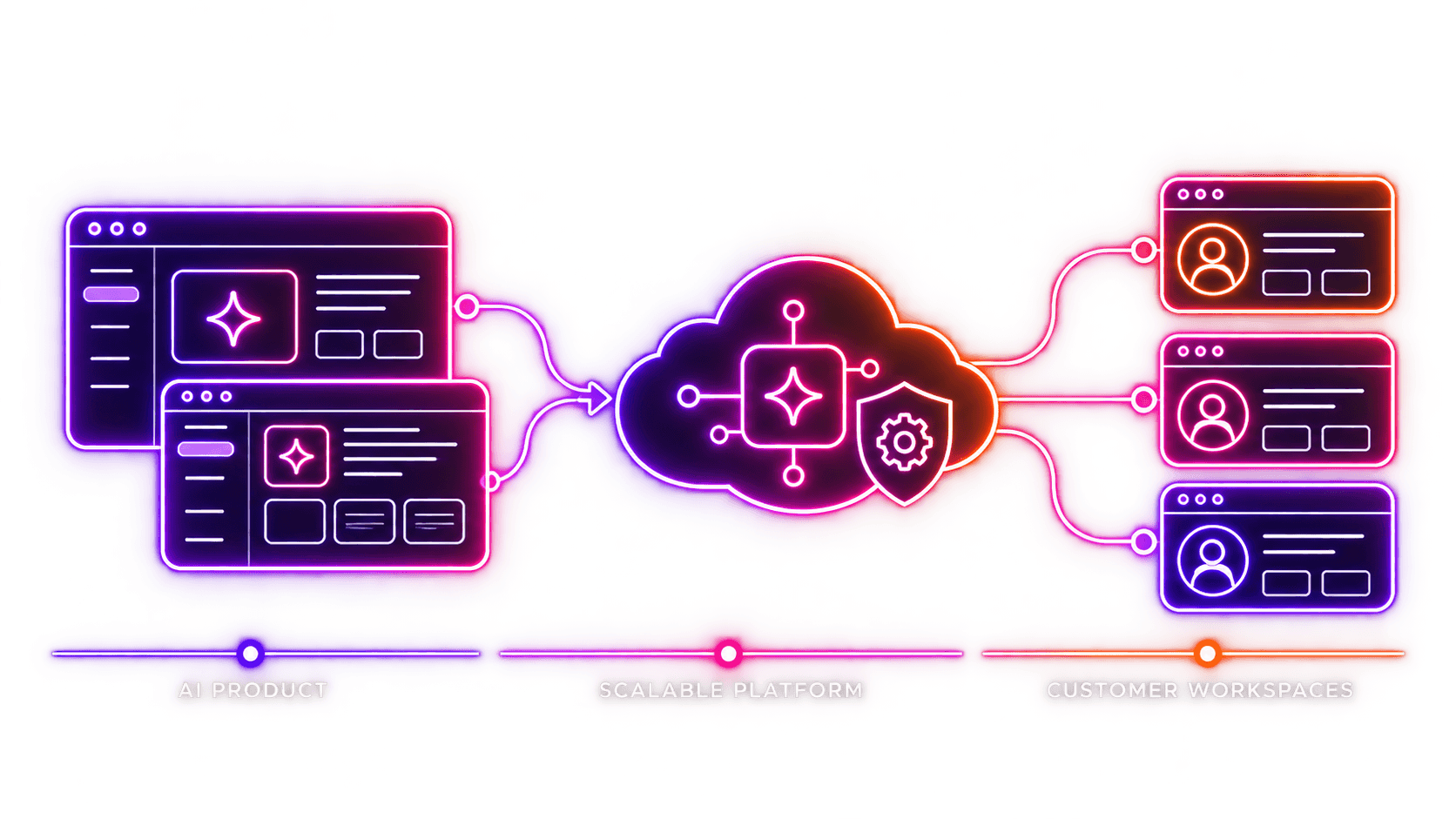
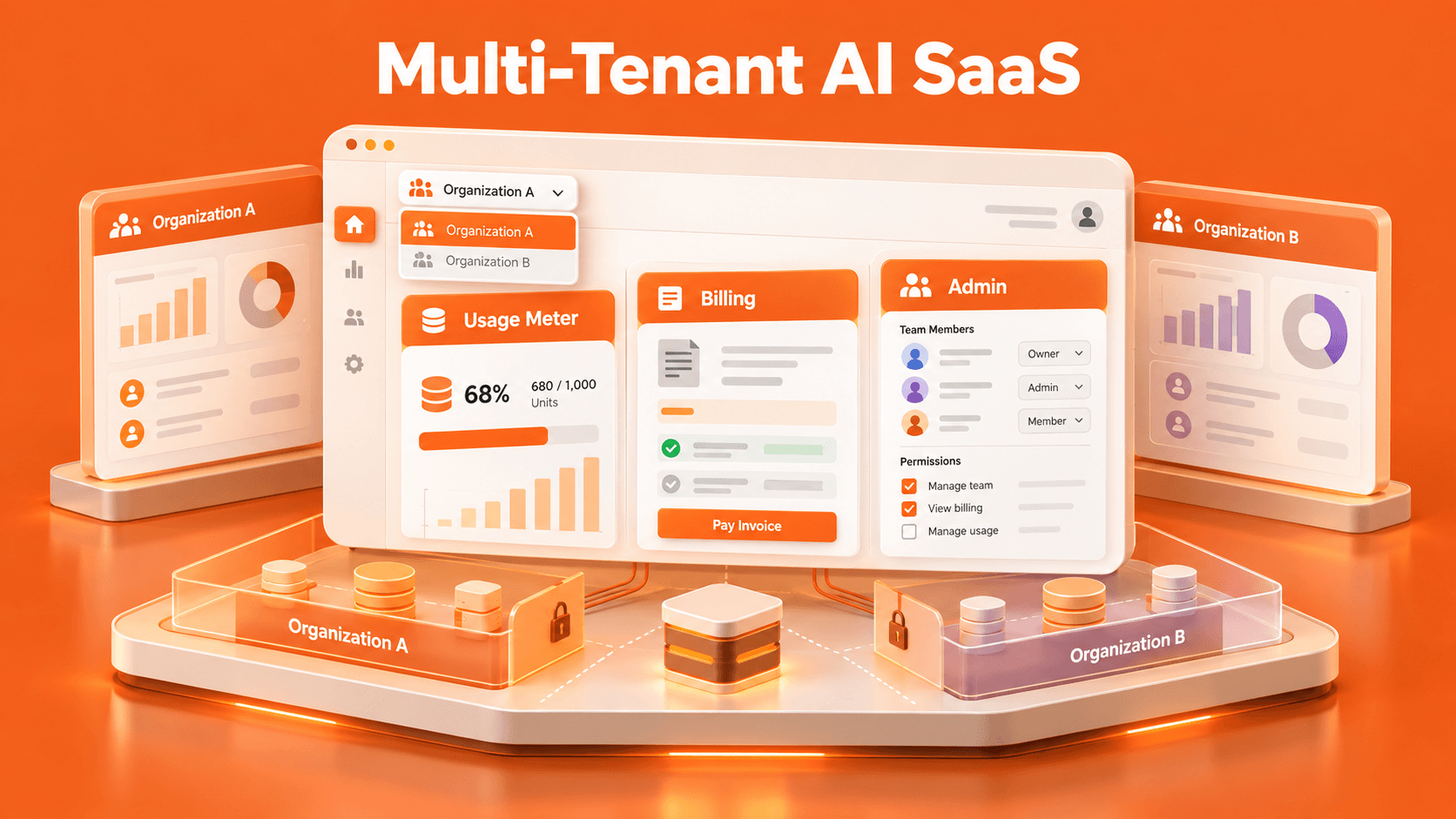
THE TISA takes an AI SaaS idea from focused MVP to a multi-tenant product with authentication, billing, usage metering, model-cost visibility and scalable infrastructure. Tenancy, rate limits, fallback models and operational dashboards are treated as product requirements, not afterthoughts. You get a launchable application with the controls needed to grow usage without losing track of quality or spend.

Explore
AI SaaS Development Company | THE TISA
06 / 07

AI Workflow Automation

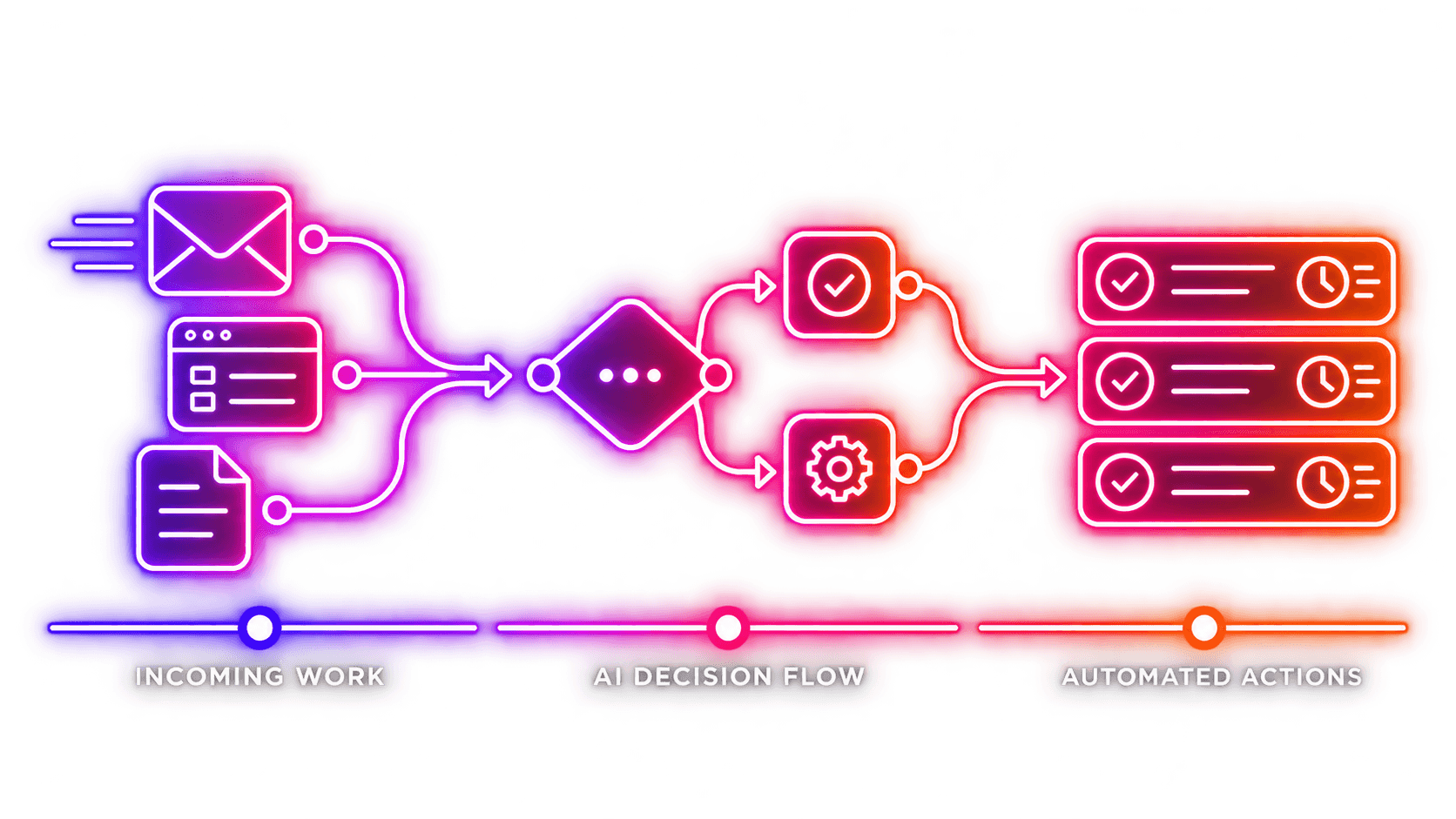
We automate classification, routing, document handling and follow-up across the systems you already run—without replacing the process overnight. High-impact steps keep human approval; repeatable reasoning and hand-offs move to the agent or workflow layer. THE TISA maps the current path, defines exception handling and wires orchestration so work completes with an audit trail your operations team can trust.

Explore
AI Workflow Automation Company | THE TISA
07 / 07

AI Integration Services

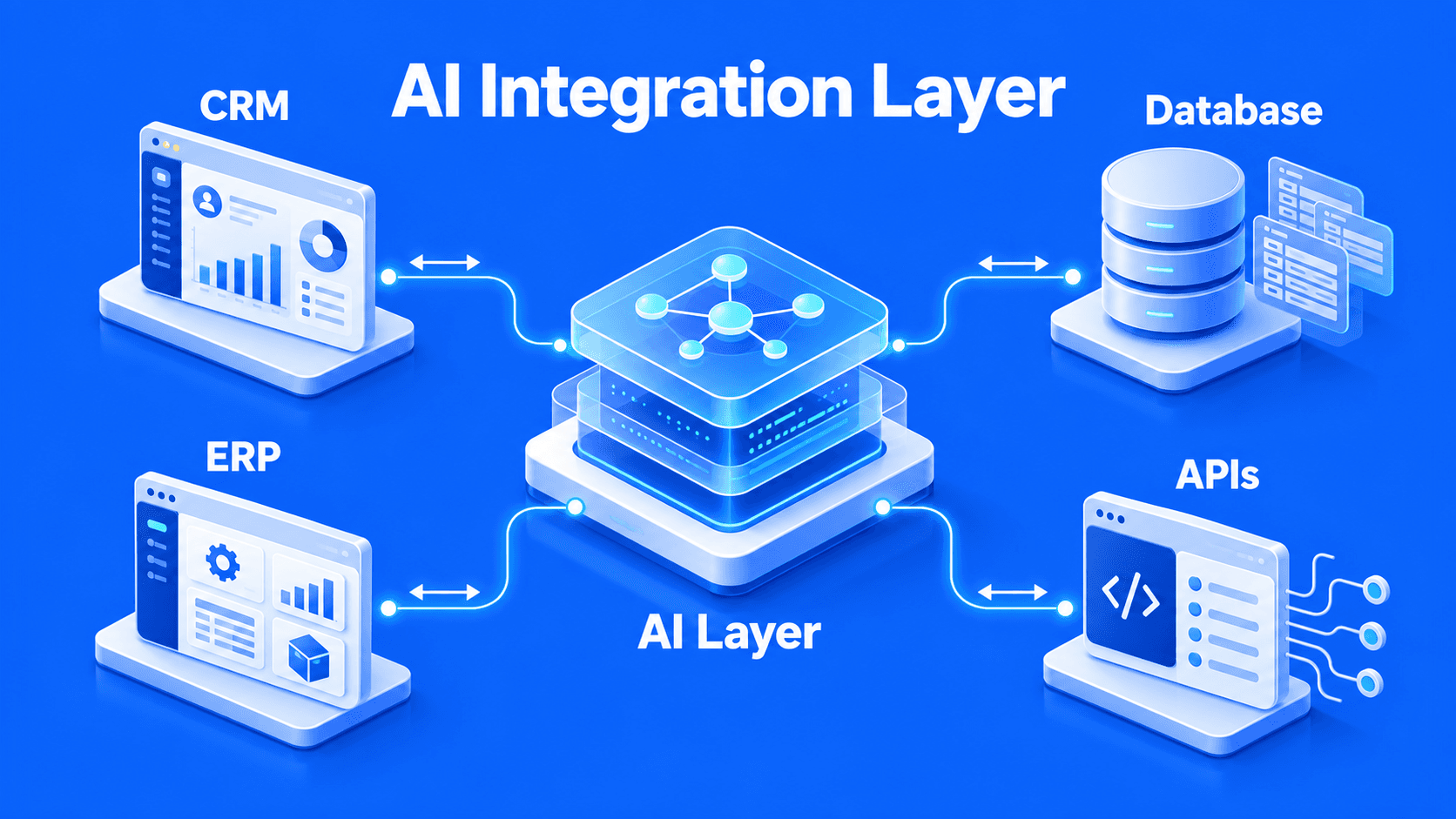
THE TISA adds models, retrieval, agents and automation to existing applications, CRMs, ERPs, databases, APIs and internal platforms. Integrations respect identity, permissions and the data contracts those systems already enforce. The result is AI capability inside software your teams already open—copilots, extraction, recommendations or agents—without rebuilding the stack from scratch.

Explore
AI Integration Company | THE TISA
Business problems

Start with the workflow. Not the model.

The right AI architecture depends on where work slows down, where knowledge is trapped, which decisions repeat, and which systems need to take action.

01Problem

Manual work is consuming expert time

AI workflow automation

Automate repeatable reasoning, classification, routing, document handling and follow-up while retaining approval for high-impact steps.

02Problem

Knowledge is scattered across systems

RAG & enterprise search

Create permission-aware assistants that retrieve the right information from documents, knowledge bases, databases and internal platforms.

03Problem

Support cannot scale linearly

AI support agents

Resolve routine questions, retrieve account context, trigger actions and escalate complex cases with a structured handoff.

04Problem

Existing software needs AI capabilities

AI integration

Add copilots, extraction, generation, recommendations or agents to the product without rebuilding the entire application.

05Problem

An AI prototype cannot survive production

Production AI engineering

Add evaluation, observability, permissions, fallbacks, cost controls, security, deployment and operational ownership around the model.

06Problem

Teams spend time moving between tools

Agentic orchestration

Coordinate steps across approved tools, APIs and internal systems so work can move through one controlled AI workflow.

AI agent development

Give AI tools. Then give it boundaries.

Production AI agents need more than a prompt. They need identity, context, approved tools, business rules, action limits, memory decisions, observability and clear human escalation.

Autonomous workflowsTool callingMulti-agent systemsHuman-in-the-loopMCPAgent memoryAuditabilityFallback logic
Explore AI Agent Development
AI Agent Development Company | THE TISA
Context
CRM · docs · events · user state
Agent Core
Reason · plan · choose tools · verify
Actions
APIs · tickets · email · workflows
Generative AI development

LLMs become useful when product engineering surrounds them.

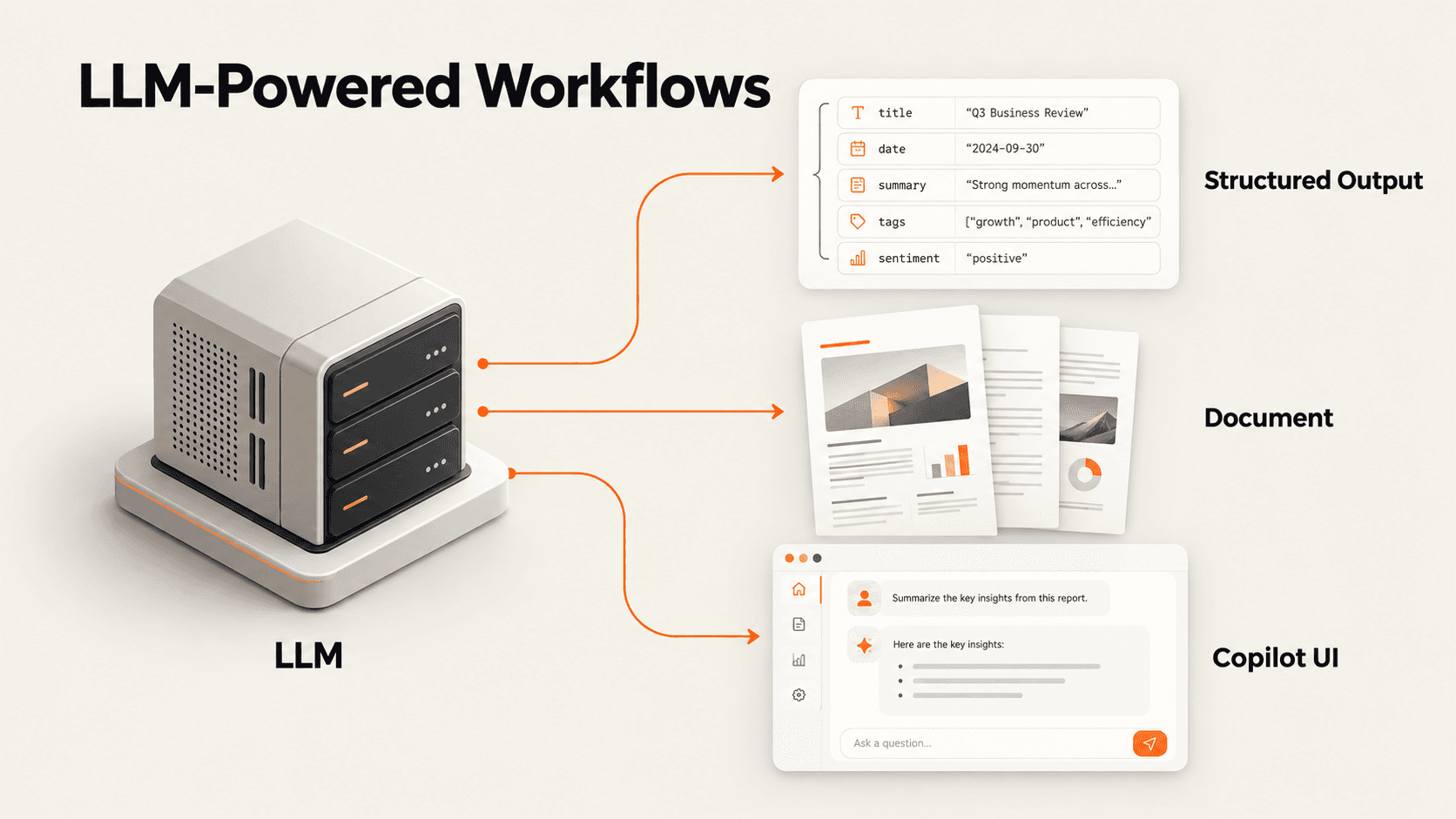
THE TISA turns foundation models into governed product features with context, structured outputs, workflows, retrieval, validation and application-level controls.

Explore Generative AI Development
Generative AI Development Company | THE TISA
01

Enterprise copilots

Give teams an AI layer for drafting, research, knowledge access and guided decisions.

02

Structured generation

Generate data that applications can validate and use instead of relying on uncontrolled free-form text.

03

Document intelligence

Summarize, classify, extract, compare and generate documents inside defined workflows.

04

Conversational systems

Build assistants with context, tools, retrieval, identity and escalation rather than a standalone chat box.

05

Multimodal workflows

Combine text, image, audio or document inputs when the product needs more than a text-only interface.

06

Content operations

Accelerate repeatable generation workflows while preserving templates, review and brand or policy constraints.

RAG & enterprise knowledge

Turn private knowledge into grounded AI answers.

Retrieval-Augmented Generation gives an AI system controlled access to the information it needs at request time. The retrieval layer matters as much as the model.

Explore RAG Development Services
RAG Development Company | THE TISA
01

Sources

Docs · CRM · DB · Wiki

02

Ingest

Parse · clean · enrich

03

Retrieve

Vector · keyword · hybrid

04

Rerank

Select strongest context

05

Generate

Ground answer in evidence

06

Verify

Citations · rules · evals

Permission-aware retrievalSource citationsHybrid searchRerankingChunking strategyMetadata filtersFreshnessRAG evaluation
AI applications & AI SaaS

Build the product around AI. Not just an AI feature.

When AI is central to the user experience, the application layer, tenancy model, cost controls, identity, billing, analytics and operations all matter.

AI Application Development Company | THE TISA

AI Application Development

Build customer-facing or internal AI applications where UX, data, model behavior, business logic, permissions and integrations work as one product.

AI web apps
Enterprise copilots
Internal AI platforms
Workflow applications
Knowledge assistants
AI dashboards
Explore service
AI SaaS Development Company | THE TISA

AI SaaS Development

Launch AI-native SaaS products with product economics in mind: multi-tenancy, authentication, subscription billing, usage metering and model-cost visibility.

AI SaaS MVPs
Multi-tenant architecture
Usage metering
Subscription billing
Admin controls
Model-cost tracking
Explore service
AI integration & automation

Add AI to the systems your business already runs.

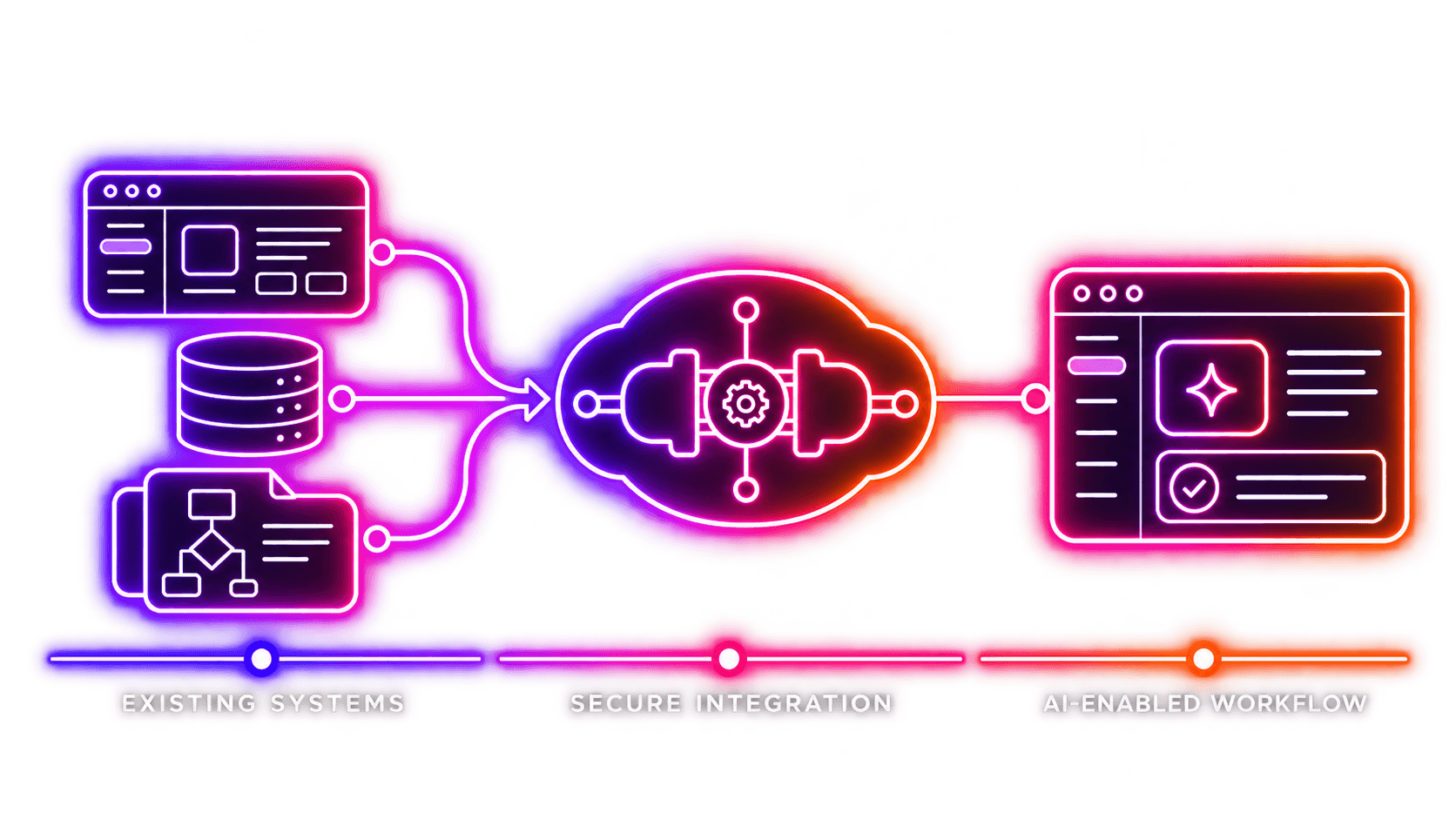
AI creates more value when it can securely read from and act inside the tools people already use. THE TISA designs the integration and orchestration layer around those existing systems.

Explore AI Integration Services
AI Integration Company | THE TISA

Intelligent workflow automation

Coordinate classification, decisions, actions and approvals across business systems.

Legacy AI modernization

Introduce AI capabilities through APIs and integration layers instead of replacing everything at once.

Document automation

Extract, validate, route and transform information from operational documents.

System copilots

Give users an AI interface over the tools and data they already work with.

LLM engineering

Model choice is an architecture decision.

THE TISA can work across commercial and open-source model ecosystems. The objective is to choose the best operating model for the workload—not create unnecessary vendor lock-in.

OpenAIClaudeGeminiAzure OpenAIAWS BedrockLlamaMistral

Model selection

Choose models against the actual task instead of defaulting to one vendor.

Prompt & context design

Control instructions, context windows, templates, roles and system behavior.

Structured outputs

Return validated schemas that downstream applications can use safely.

Tool / function calling

Connect LLM reasoning to approved application capabilities and APIs.

Model routing

Route workloads based on quality, latency, cost, privacy or modality.

Fallback strategy

Define what happens when a model, retrieval step or external tool fails.

Prototype → production

A demo proves possibility. Production proves reliability.

Moving AI into live operations requires more than improving the prompt. The surrounding software has to handle identity, data, integration, evaluation, failures, cost, monitoring and change.

1

Opportunity

Define the workflow and outcome.

2

PoC

Prove the risky AI assumption.

3

Evaluate

Measure quality and failure modes.

4

Engineer

Build the product and integrations.

5

Deploy

Ship with security and observability.

6

Operate

Monitor, learn and improve.

Evaluation continues after launch because models, prompts, data and user behavior change.
AI architecture

The model is one layer. The system is everything around it.

Production AI becomes maintainable when responsibilities are separated: experience, orchestration, knowledge, models, enterprise integrations, and trust controls.

Layer 1

Experience Layer

Users · workflows · interfaces · approvals

Layer 2

AI Orchestration

Agents · prompts · routing · business logic

Layer 3

Knowledge & Memory

RAG · search · embeddings · state

Layer 4

Models & Tools

LLMs · APIs · MCP · functions · services

Layer 5

Enterprise Systems

CRM · ERP · databases · SaaS · internal APIs

Layer 6

Trust Layer

Identity · permissions · evaluation · observability · security

AI technology stack

Choose the stack for the workload.

We design model-agnostic architectures where practical, then select the retrieval, orchestration, cloud and observability tools that match the system's quality, cost, security and operational requirements.

Foundation Models

OpenAI | THE TISAOpenAIAnthropic Claude | THE TISAAnthropic ClaudeGemini | THE TISAGeminiLlama | THE TISALlamaMistral | THE TISAMistral

Agent & LLM Orchestration

LangGraph | THE TISALangGraphLangChain | THE TISALangChainLlamaIndex | THE TISALlamaIndexCrewAI | THE TISACrewAIMCP | THE TISAMCP

Retrieval & Vector

Pinecone | THE TISAPineconeQdrant | THE TISAQdrantWeaviate | THE TISAWeaviatepgvector | THE TISApgvectorElasticsearch | THE TISAElasticsearch

Cloud AI

Azure OpenAI | THE TISAAzure OpenAIAWS Bedrock | THE TISAAWS BedrockVertex AI | THE TISAVertex AIAzure AI | THE TISAAzure AISageMaker | THE TISASageMaker

Evaluation & Observability

Langfuse | THE TISALangfusePromptfoo | THE TISAPromptfooCustom evals | THE TISACustom evalsTracing | THE TISATracingCost telemetry | THE TISACost telemetry

AI Application Layer

Python | THE TISAPythonFastAPI | THE TISAFastAPINode.js | THE TISANode.jsNext.js | THE TISANext.jsPostgreSQL | THE TISAPostgreSQL
AI evaluation & reliability

Don't ask if AI feels good. Measure whether it works.

AI quality is probabilistic. Production systems need explicit evaluation criteria, representative test cases, traces and regression checks so teams can detect when behavior changes.

01

Grounding

Did the answer use the approved evidence?

02

Task success

Did the agent actually complete the intended job?

03

Structured output

Did the response match the schema the application expects?

04

Retrieval quality

Did search return the most useful context?

05

Latency

Is the experience fast enough for the workflow?

06

Cost

Is model and retrieval spend sustainable at production volume?

07

Safety

Did the system respect permissions and action boundaries?

08

Regression

Did a model, prompt or retrieval change break previous behavior?

AI security & governance

Put intelligence inside a trust boundary.

AI introduces new data paths, tool permissions and failure modes. We design controls around what the model can see, retrieve, generate and execute.

LLM data handling
Prompt-injection defenses
RAG authorization
Tool permission boundaries
Sensitive-data minimization
Human approval
Provider configuration
Tracing & auditability
AI by business function

AI becomes valuable where work already happens.

Use cases should connect to a measurable workflow: faster resolution, less manual review, better knowledge access, improved product experience or more consistent execution.

01

Sales

Lead research
Qualification agents
Proposal assistance
CRM copilots
02

Customer Support

Support agents
Knowledge retrieval
Ticket routing
Escalation
03

Operations

Workflow agents
Document processing
Exception handling
Task coordination
04

Product

Embedded copilots
AI search
Generation features
Smart recommendations
05

Finance

Document extraction
Policy retrieval
Reconciliation assistance
Reporting support
06

People & HR

Employee assistants
Policy Q&A
Onboarding help
Internal knowledge
AI by industry

AI for every industry we ship in.

Industry context changes the data, approvals, integrations, risk profile and acceptable failure modes. We adapt the AI architecture to the environment it will operate in.

AI for SaaS by THE TISA

AI for SaaS

Copilots, product intelligence, onboarding, support and workflow agents.

Explore more
AI for FinTech by THE TISA

AI for FinTech

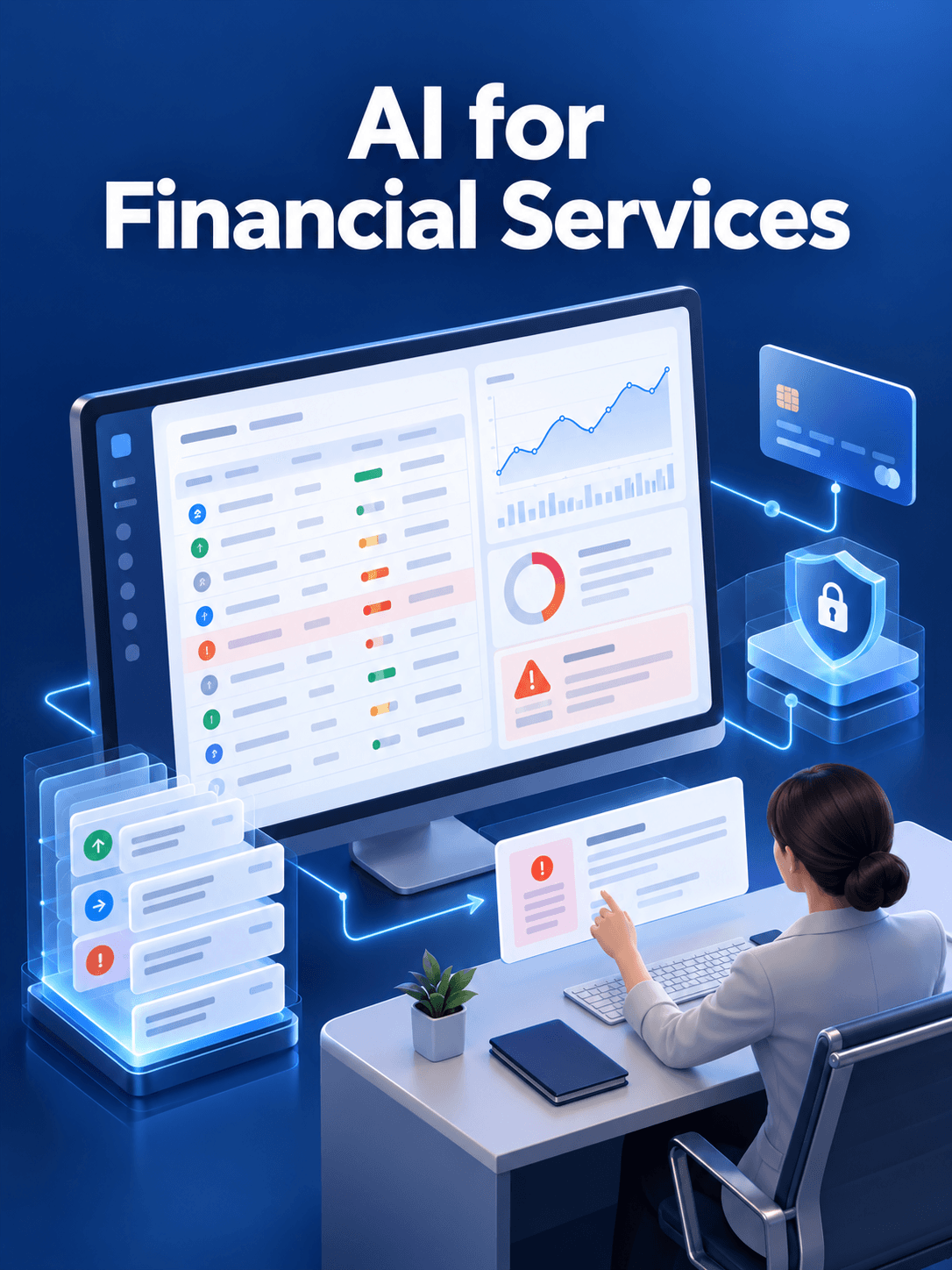
Document intelligence, analyst copilots, workflow automation and controlled knowledge retrieval.

Explore more
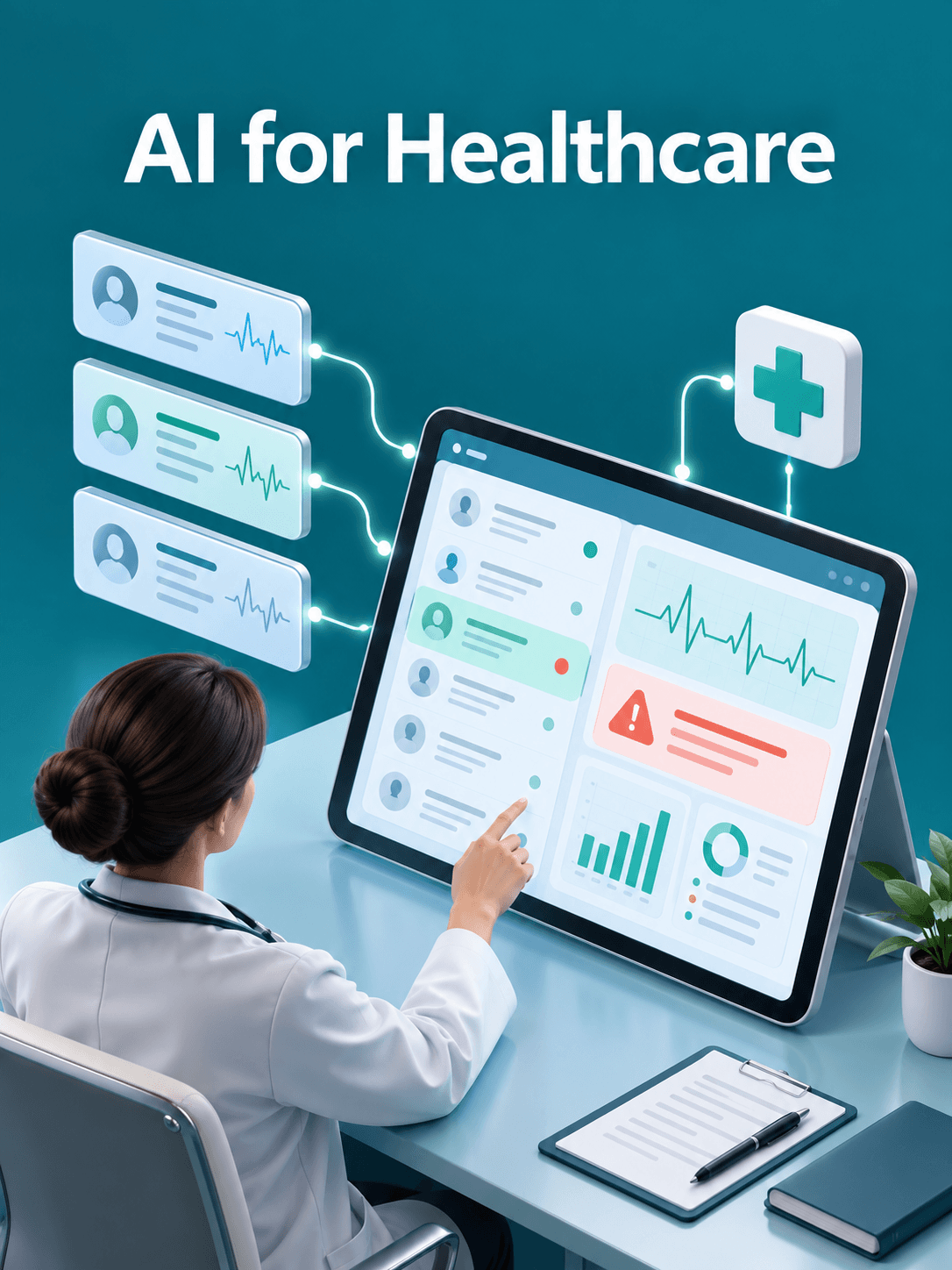
AI for Healthcare by THE TISA

AI for Healthcare

Administrative automation, knowledge access and AI-assisted workflows designed around sensitive-data constraints.

Explore more
AI for Retail & E-commerce by THE TISA

AI for Retail & E-commerce

Search, recommendations, support, catalog intelligence and merchandising automation.

Explore more
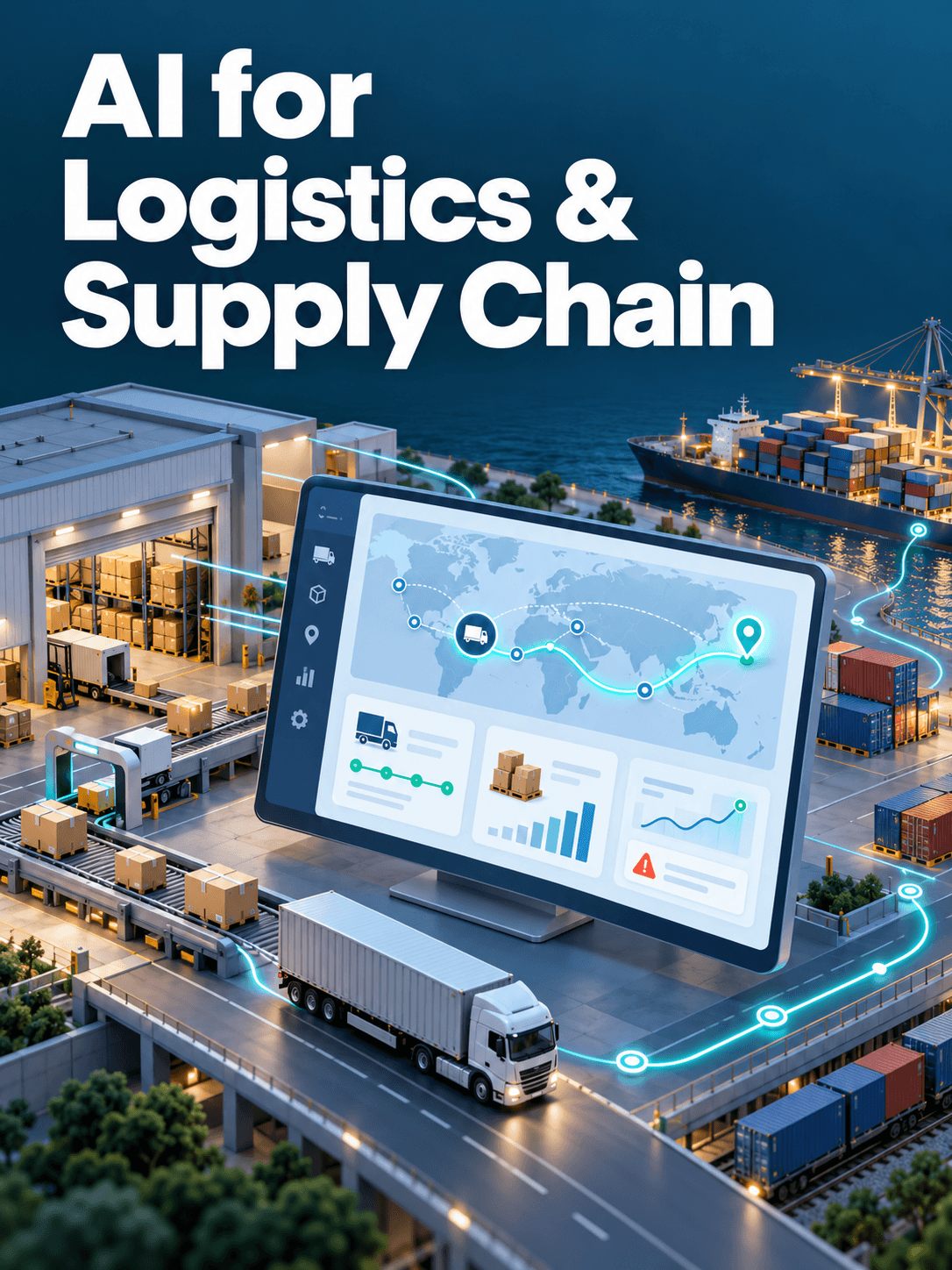
AI for Logistics by THE TISA

AI for Logistics

Operations copilots, document handling, shipment workflows, exception management and planning assistance.

Explore more
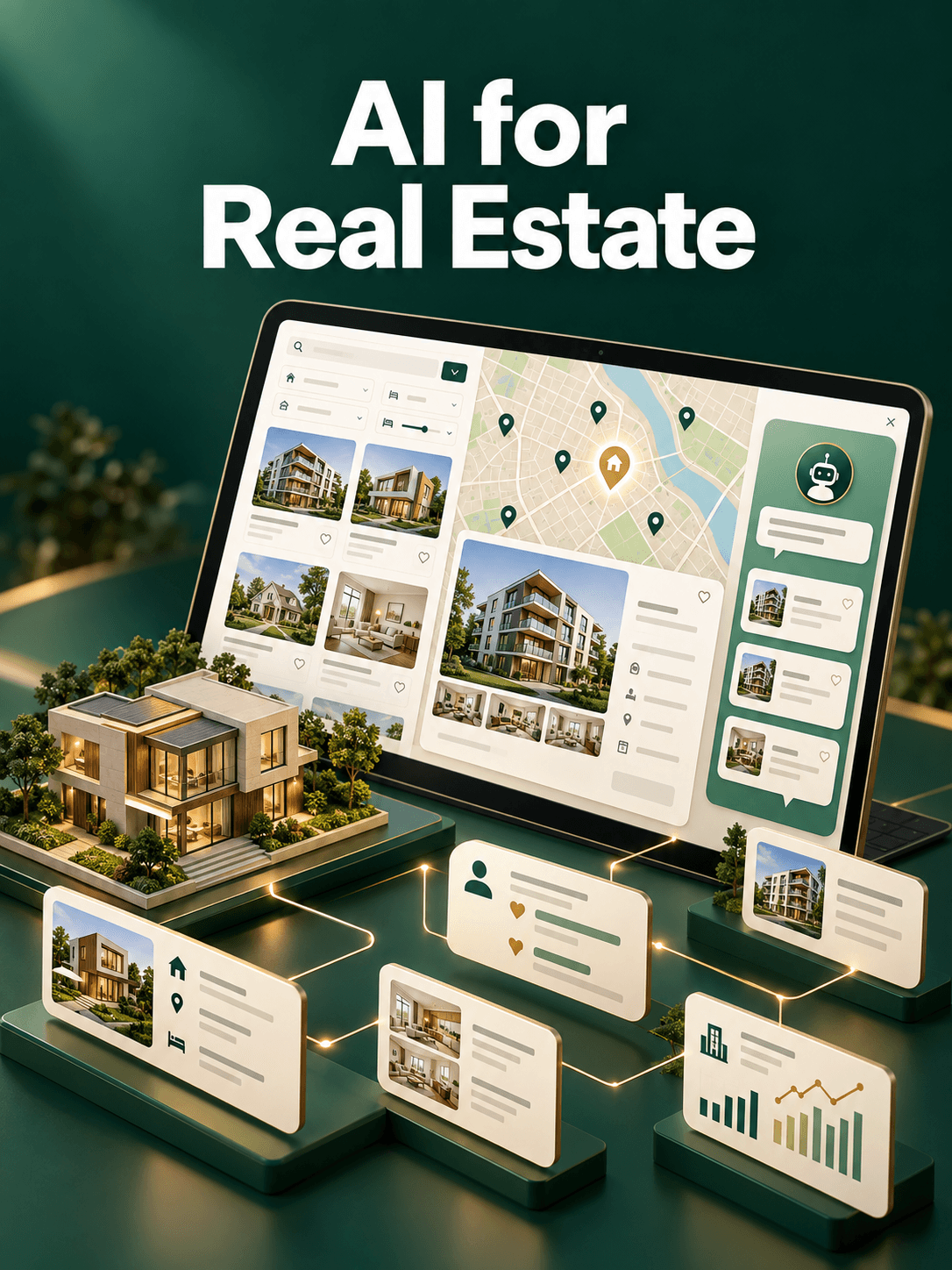
AI for Real Estate by THE TISA

AI for Real Estate

Lead qualification, document workflows, knowledge assistants and property-data experiences.

Explore more
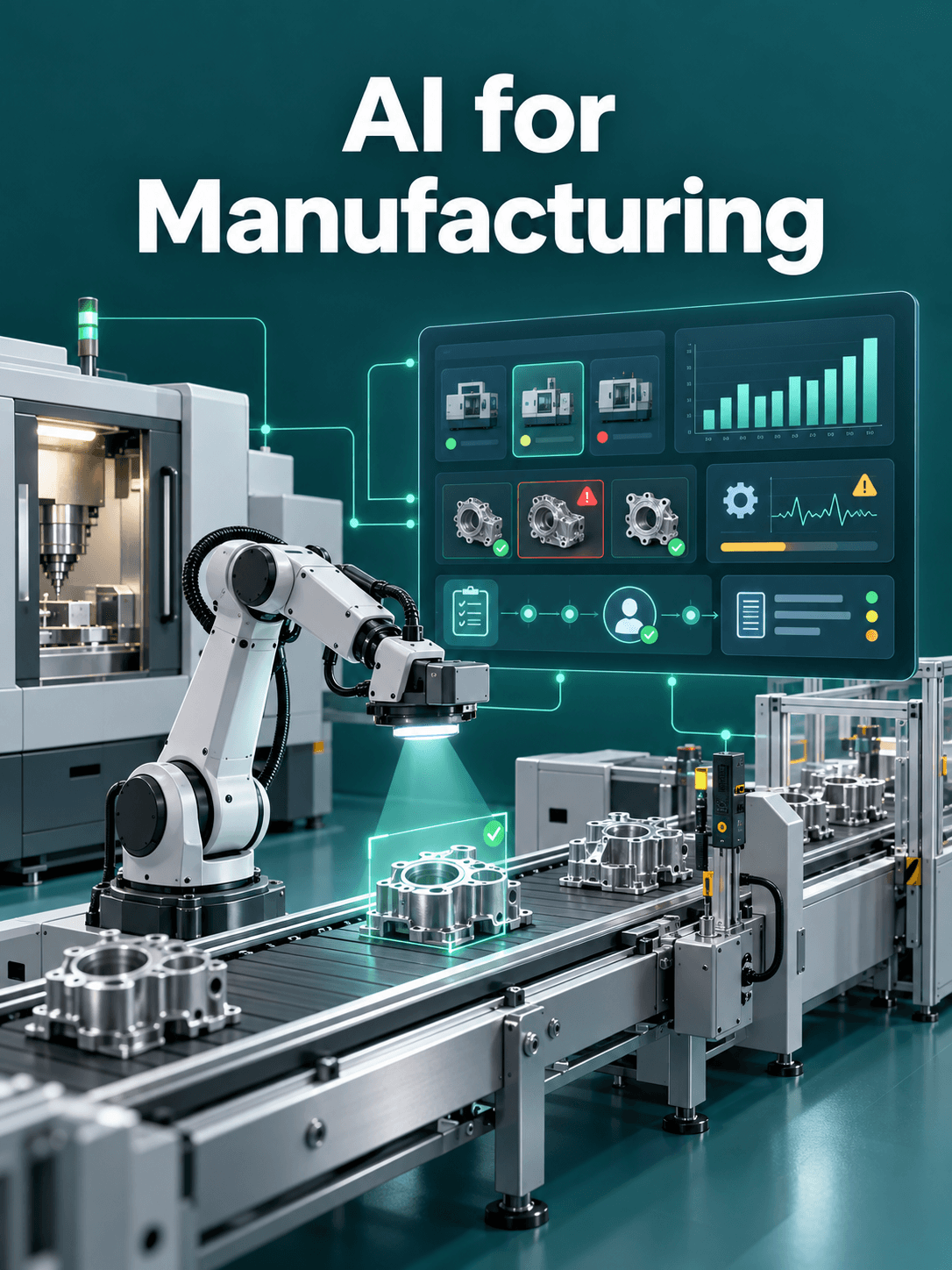
AI for Manufacturing by THE TISA

AI for Manufacturing

Knowledge retrieval, maintenance assistance, quality workflows and operations automation.

Explore more
AI for Education by THE TISA

AI for Education

Learning assistants, assessment support, content workflows and personalized practice experiences.

Explore more
AI for GovTech by THE TISA

AI for GovTech

Citizen service automation, case workflows and public knowledge assistants.

Explore more
AI for Media by THE TISA

AI for Media

Content operations, catalog intelligence and audience assistants.

Explore more
AI case studies

See AI inside real product work.

Explore selected THE TISA projects where AI is part of the product, workflow or decision layer.

Browse all case studies
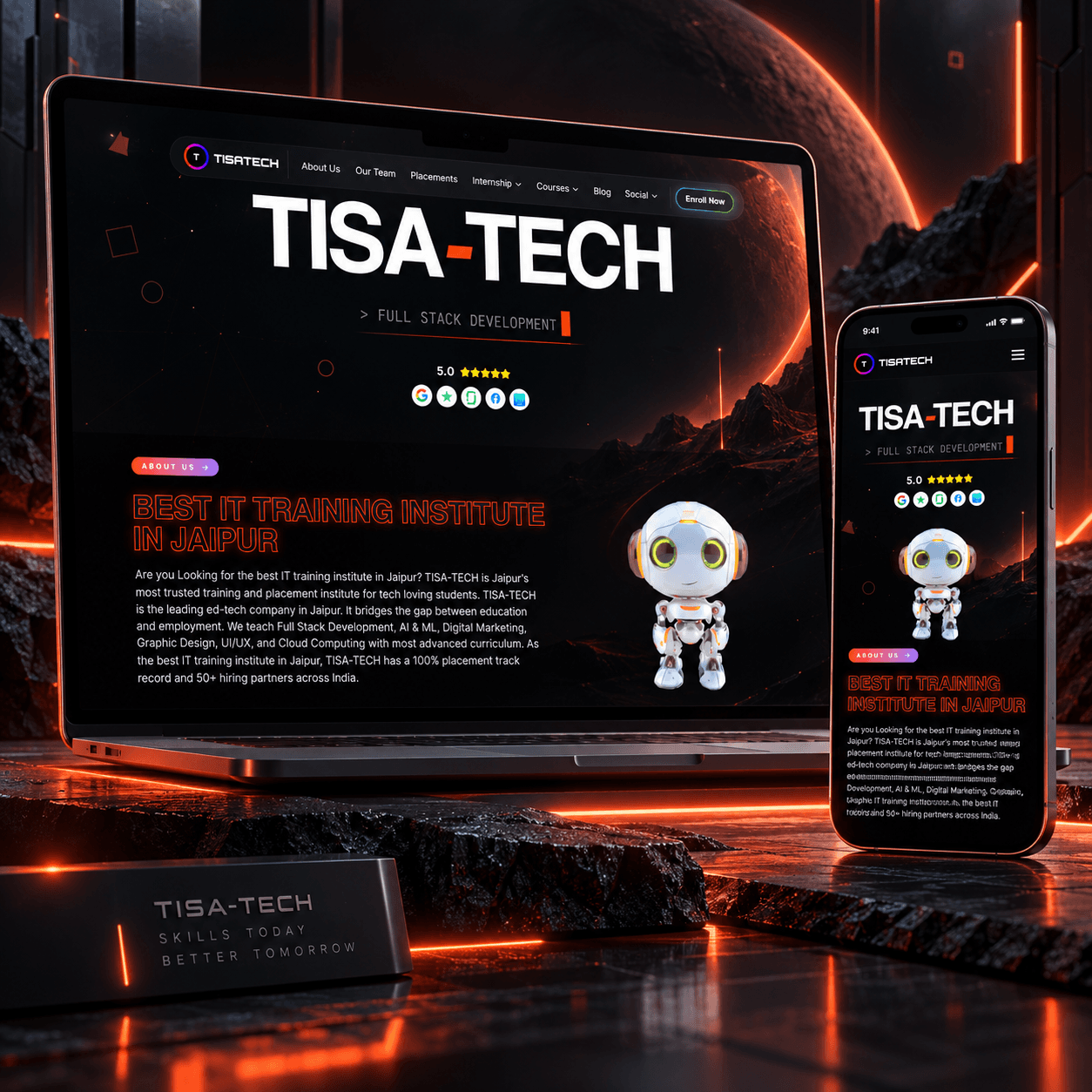
TISA-TECH Case Study | THE TISA
EdTech / IT Training & Career Development

TISA-TECH

A modern education and career development platform designed to connect academic learning with industry requirements through practical training, live projects, expert mentorship, portfolio building, interview preparation, and placement support.

Next.jsTypeScriptTailwind CSS
Read case study
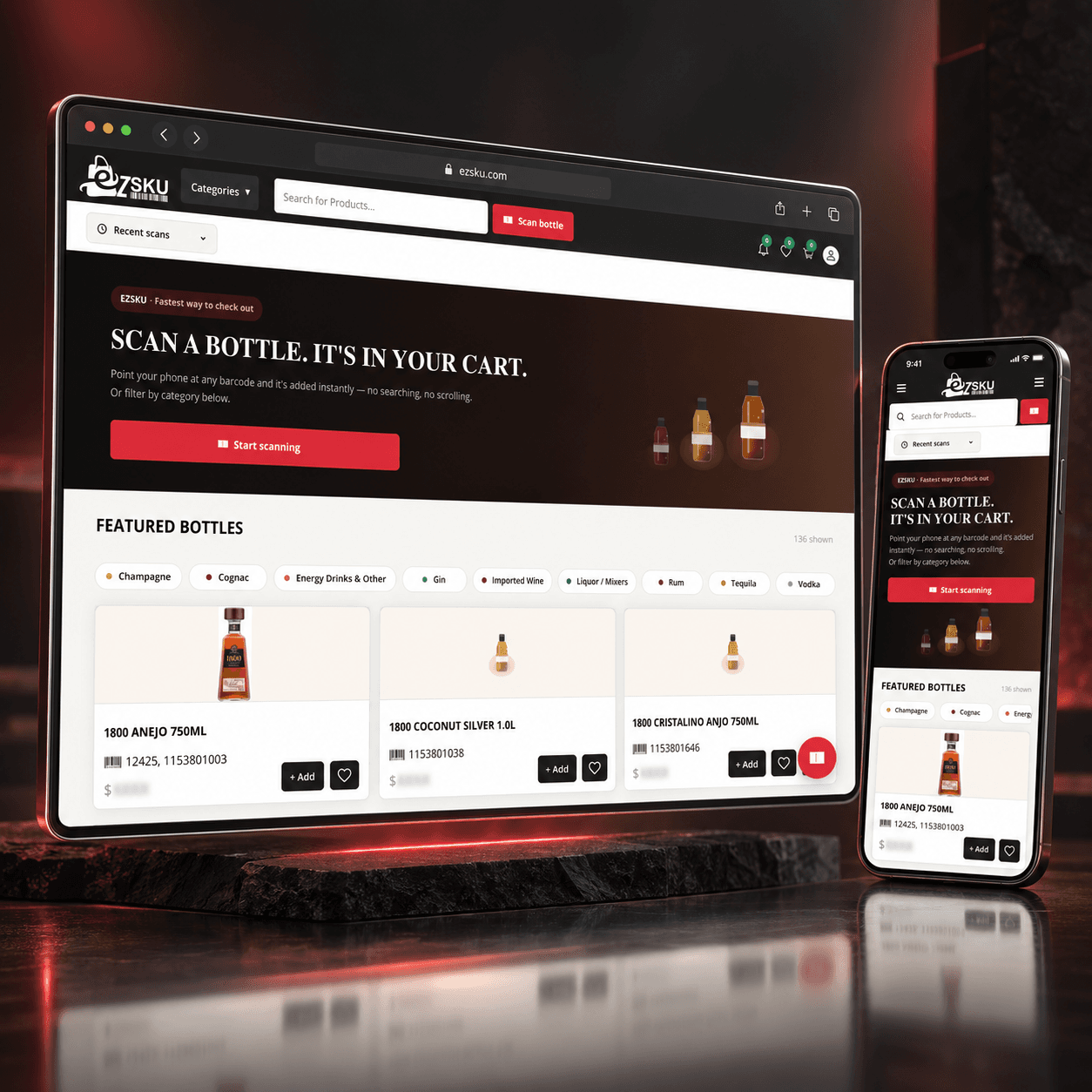
EZSKU Case Study | THE TISA
E-commerce / Beverage and Liquor Distribution

EZSKU

EZSKU is a B2B product catalog and ordering platform built for beverage and liquor businesses. It helps retailers, restaurants, bars, distributors, and other business buyers explore products and place orders from one platform.

React.jsBootstrapRedux
Read case study
Seed2Sell Case Study | THE TISA
B2B Commerce / Bulk Purchasing

Seed2Sell

Seed2Sell is an enterprise B2B bulk purchasing and e-commerce platform designed for wholesalers, distributors, manufacturers, suppliers, retailers, and business buyers. It provides an online marketplace where businesses can discover products, compare suppliers, manage bulk purchase needs, negotiate prices, place orders, and track activities in one place.It also provides separate dashboards for each user role to manage their work.

Next.jsBootstrapRedux
Read case study
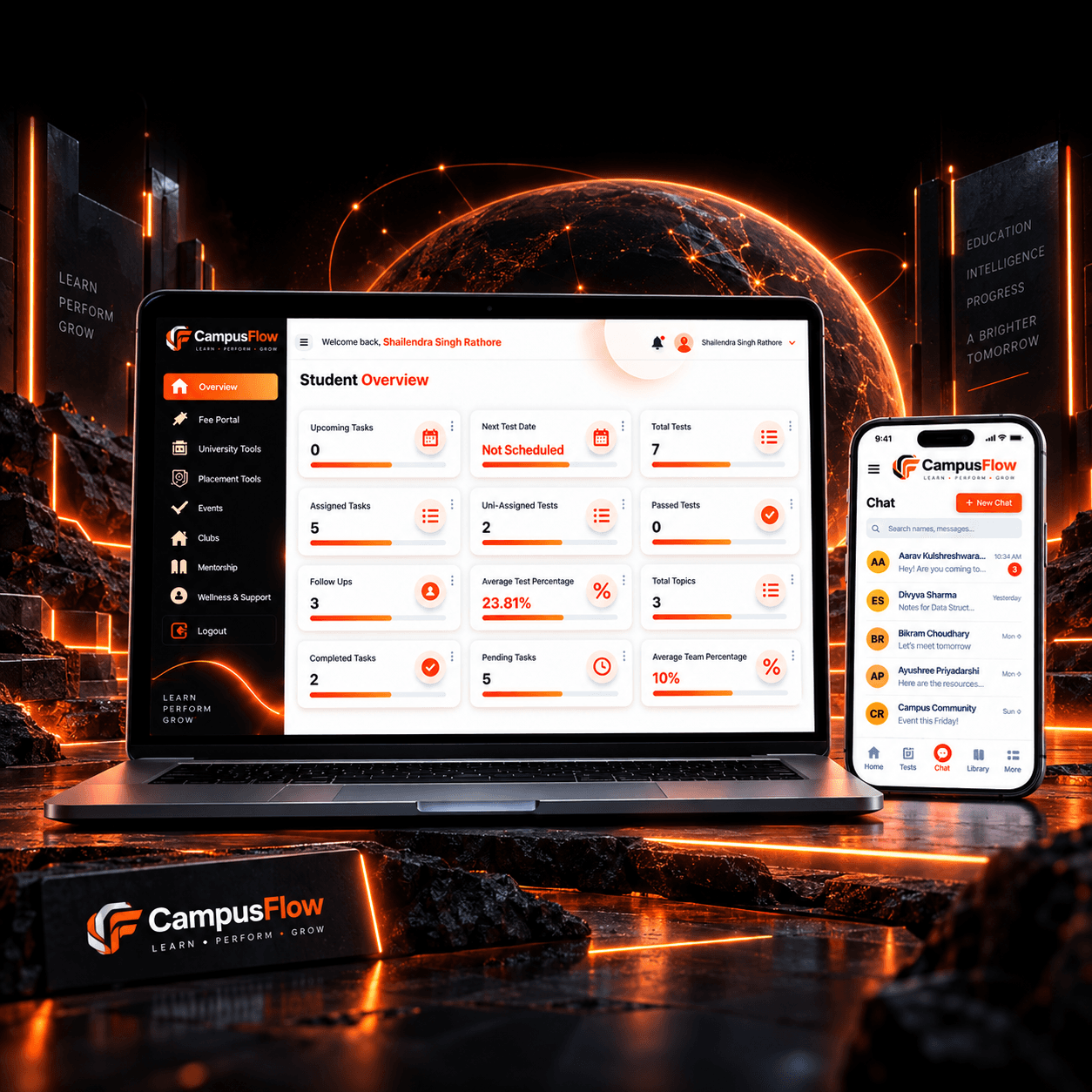
Campus Flow Case Study | THE TISA
EdTech / Student Management

Campus Flow

Campus Flow is an AI-powered student portal created to help students manage their academic activities through one online system.

Next.jsBootstrapNode.js
Read case study
OpsPilot — AI-Powered Admin Portal Case Study | THE TISA
EdTech / Education Administration

OpsPilot — AI-Powered Admin Portal

OpsPilot is an AI-powered enterprise administration system developed to manage the academic, operational, employee, and financial activities of a large educational institute.

Next.jsBootstrapNode.js
Read case study
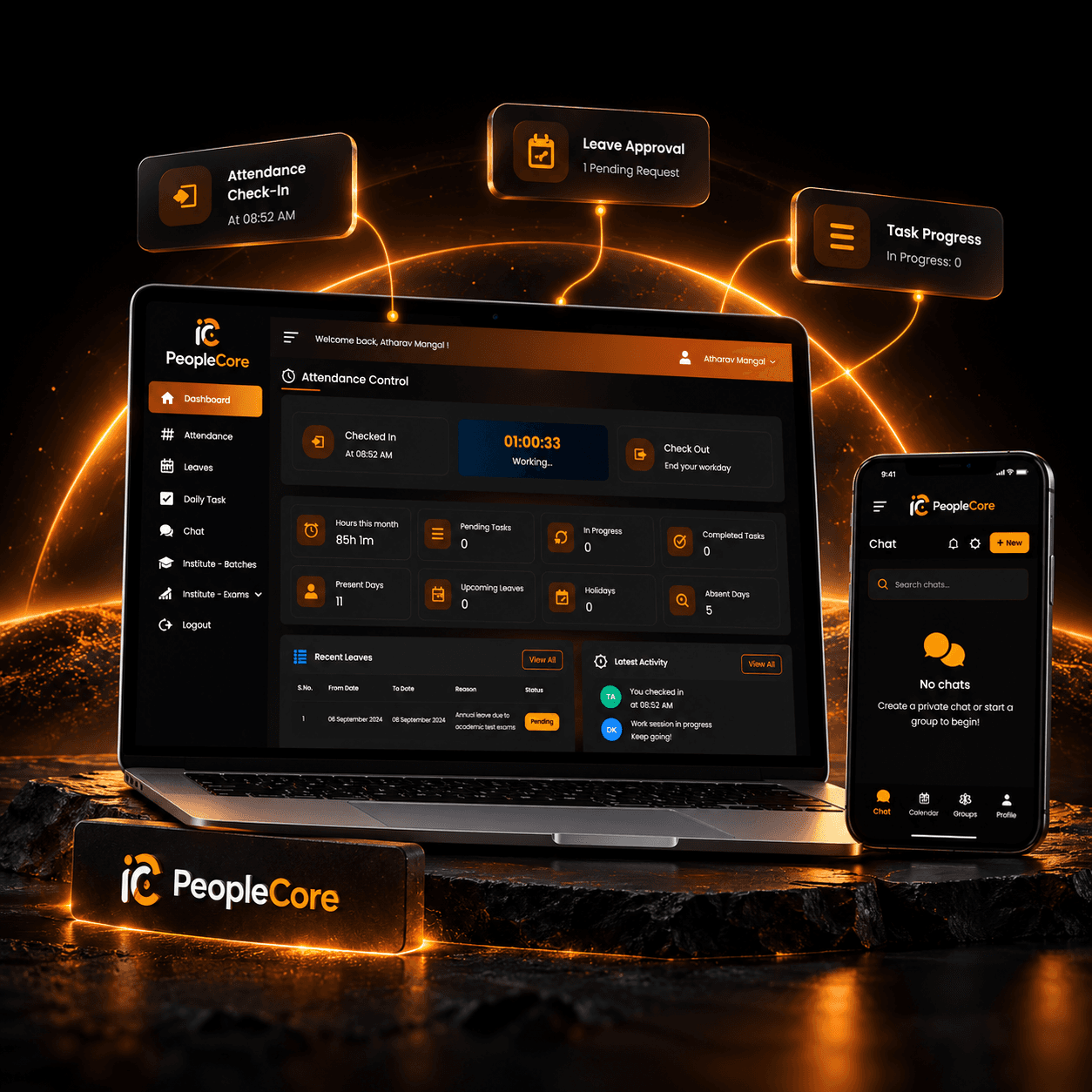
PeopleCore Case Study
Workforce Management and Education Technology

PeopleCore

PeopleCore is an AI-powered employee and academic operations portal developed to manage employee activities and mentor-led student operations within one portal.

Next.jsBootstrapNode.js
Read case study
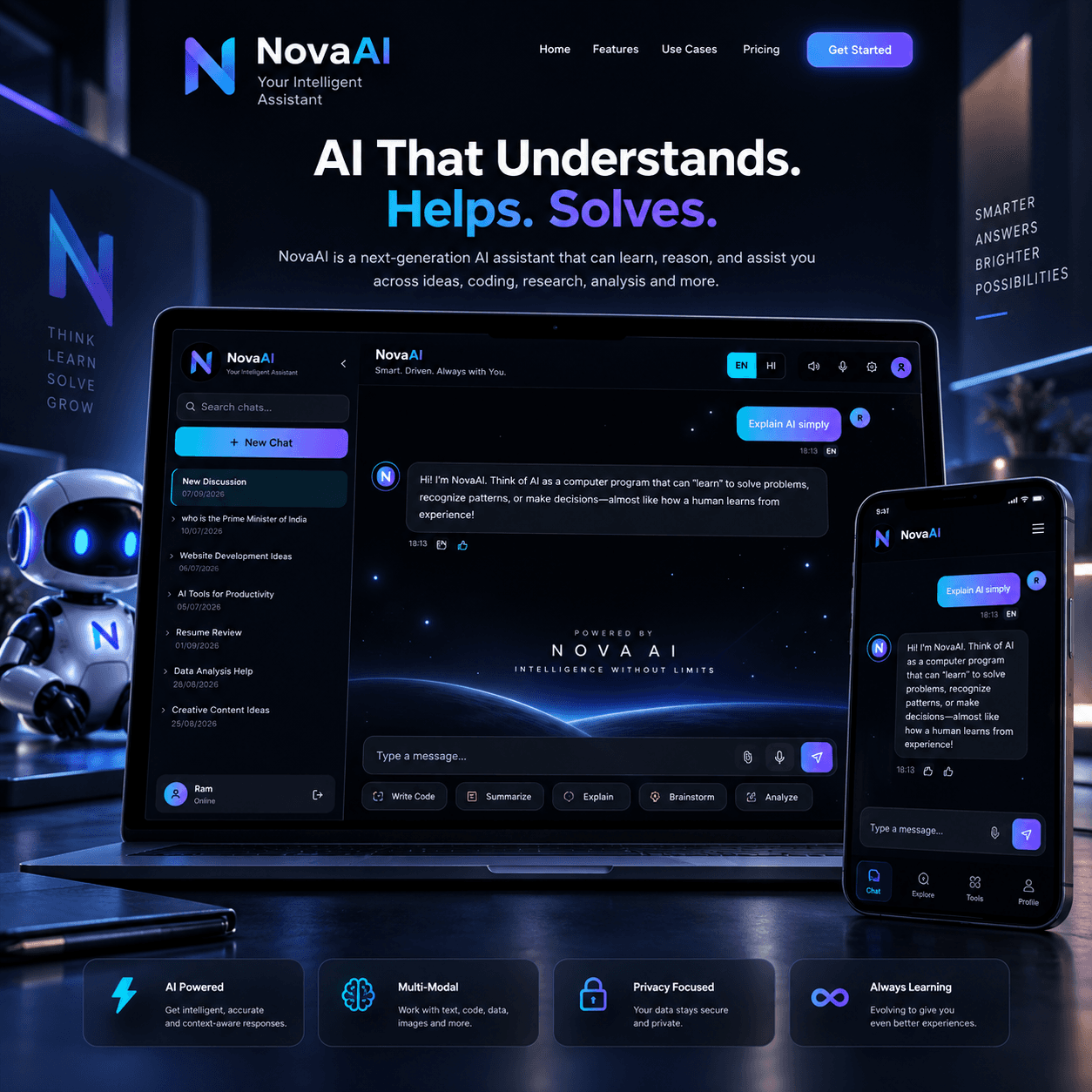
NovaMind AI Case Study
Artificial Intelligence

NovaMind AI

NovaMind AI is a multilingual AI assistant that supports voice and text conversations in English, Hindi, and Hinglish.

Next.jsExpress.jsREST APIs
Read case study
Ratiwal Estate Case Study
Real Estate

Ratiwal Estate

Ratiwal Estate is a real estate website built for a property business in Jaipur. It helps users learn about the company’s residential, commercial, and investment services and contact the team for guidance. The website is designed for home buyers, sellers, investors, families, and commercial clients. Clear service information and enquiry options make it easier for users to understand the available support before visiting the office. It also gives the business a strong online presence and provides space for adding property listings, location pages, and more services in the future.

React.jsBootstrapNode.js
Read case study
Group Hotel Index (GHI) Case Study
Hospitality and Group Travel

Group Hotel Index (GHI)

Group Hotel Index is an enterprise-scale hospitality directory platform developed to connect group travel planners directly with hotels across the United States.

Next.jsTypeScriptSSR
Read case study
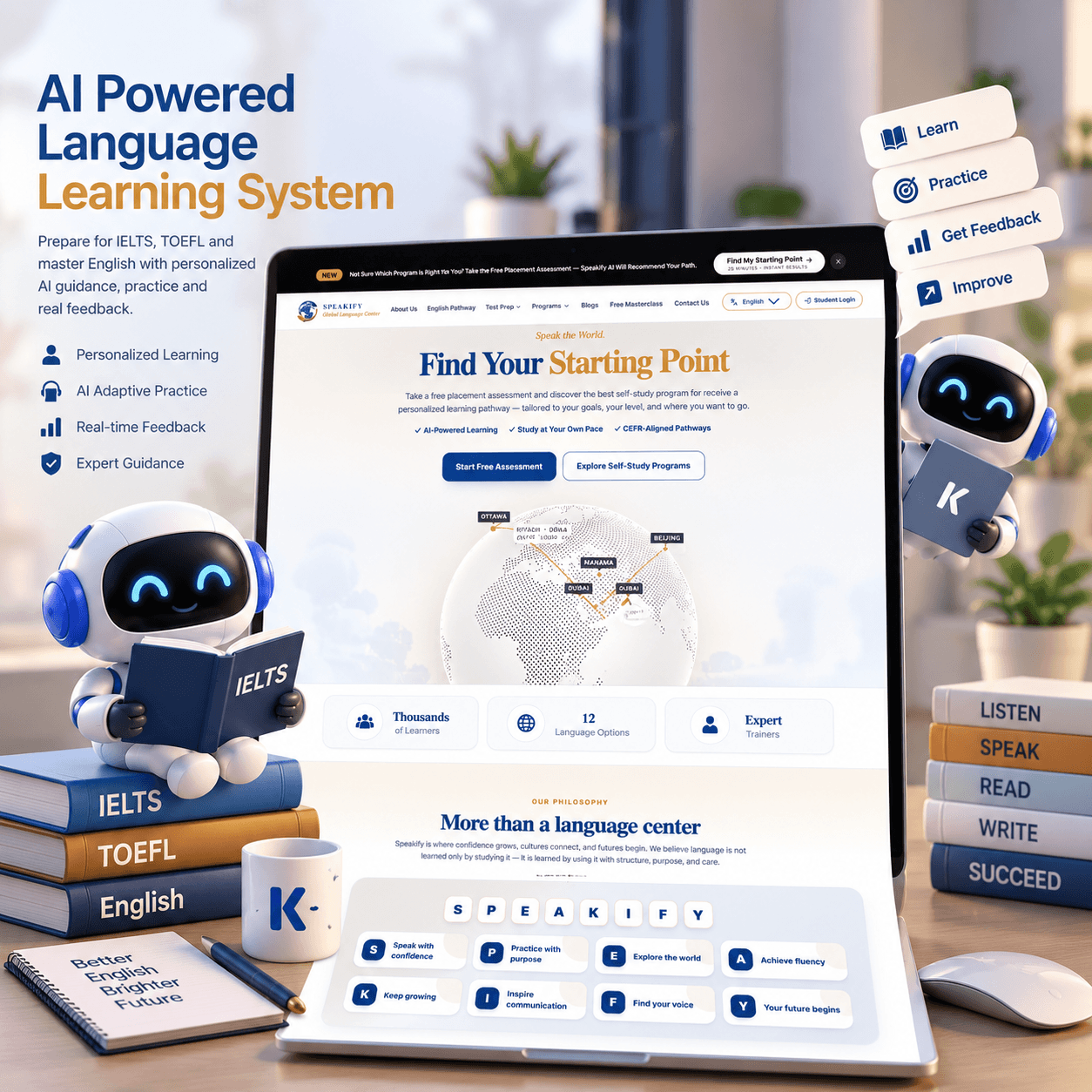
Speakify – Global Language Center Case Study
EdTech and Language Education

Speakify – Global Language Center

Speakify is an AI-powered English learning platform for students, professionals, corporate learners, and exam aspirants. The platform supports English and Arabic. Learners can join live classes, watch recorded lessons, practise language skills, take mock exams, and track their progress. AI checks speaking and writing performance during practice. It highlights weak areas and suggests suitable exercises. Separate portals are available for students, instructors, administrators, and parents or sponsors. This helps manage learning, admissions, communication, and payments with less manual work.

Next.jsnext-intlWebGL and Three.js
Read case study
Narsik Logistics Case Study
Transport and Logistics

Narsik Logistics

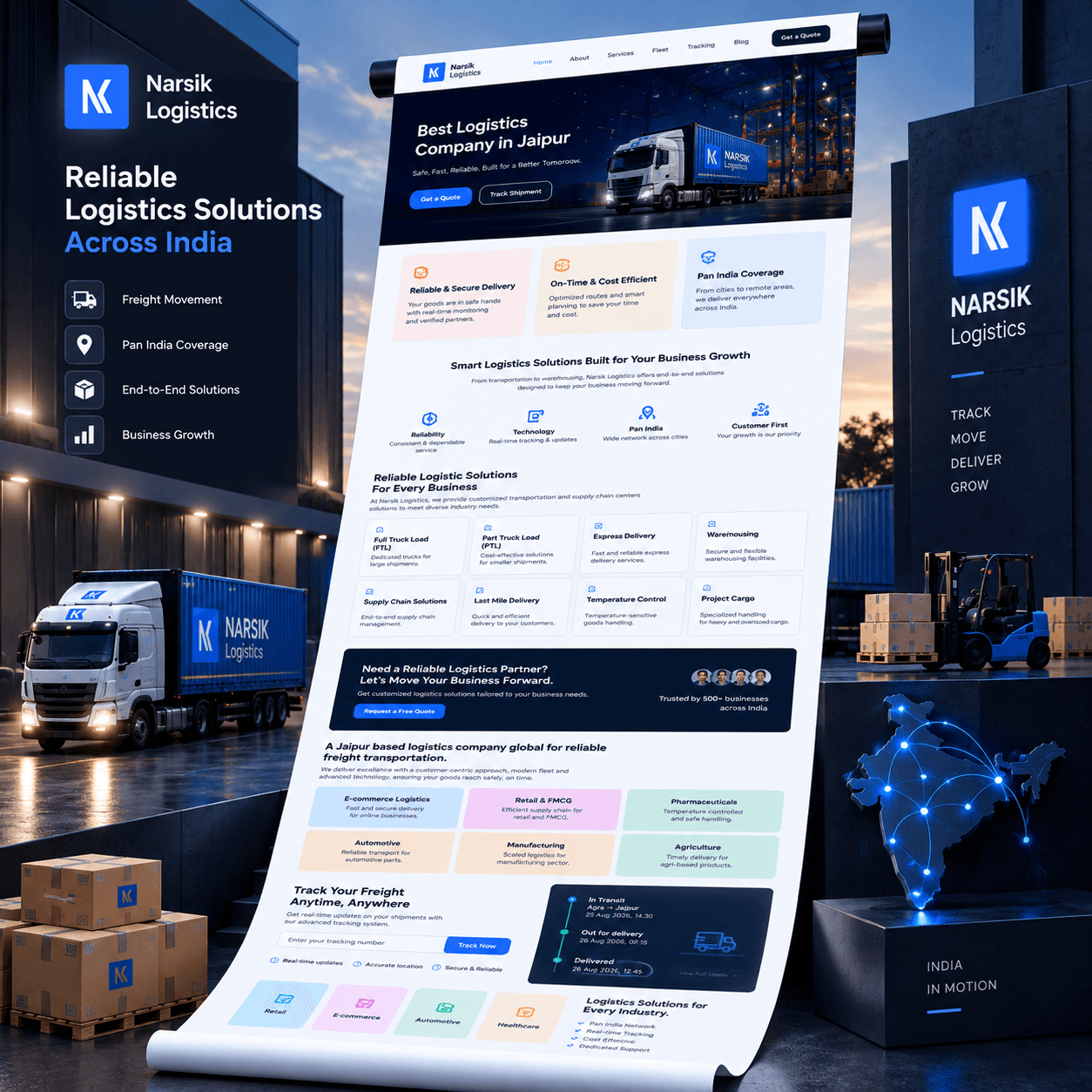
Narsik Logistics is a B2B transport and logistics platform developed for a Jaipur-based freight company. It allows customers to explore logistics services, request freight quotations, book transportation, track shipments, and view consignment details.

Next.jsTailwind CSSPostgreSQL
Read case study
RentACar Case Study
Car Rental and Mobility Services

RentACar

RentACar is an online car rental and fleet management platform created to simplify vehicle booking and daily rental operations. Customers can search for available vehicles by location, rental dates, price and vehicle type. They can view vehicle details, upload documents, make payments and track their booking status. The Admin Dashboard helps the rental team manage vehicles, bookings, customers, locations, pricing and availability from one place. The platform supports both single-location and multi-branch rental businesses.
React.jsBootstrapRedux
Read case study
Clove Case Study
SaaS, Project Management and Business Productivity

Clove

Clove is a project management and team collaboration platform for software teams, startups, agencies and growing businesses. It helps teams plan projects, assign tasks, manage sprints and track deadlines in one place. Members can comment on tasks, share files and receive real-time updates.

React.jsTypeScriptTailwind CSS
Read case study
LockYantra Case Study
Cybersecurity, SaaS and Credential Management

LockYantra

LockYantra is a passwordless credential and secret management platform for individuals, teams and organisations. It allows users to store passwords, API keys, SSH keys, recovery codes, private notes and confidential documents in one place. Users can sign in through a secure magic link instead of using a traditional account password. The platform allows sensitive information to be shared with team members or clients. Access can be temporary or permanent and can be removed whenever required. LockYantra provides a more secure and organised way to handle important credentials and confidential information.

Next.jsTypeScriptTailwind CSS
Read case study
Narsik Logistics ERP Case Study
Transport and Logistics

NARSIK Logistics ERP

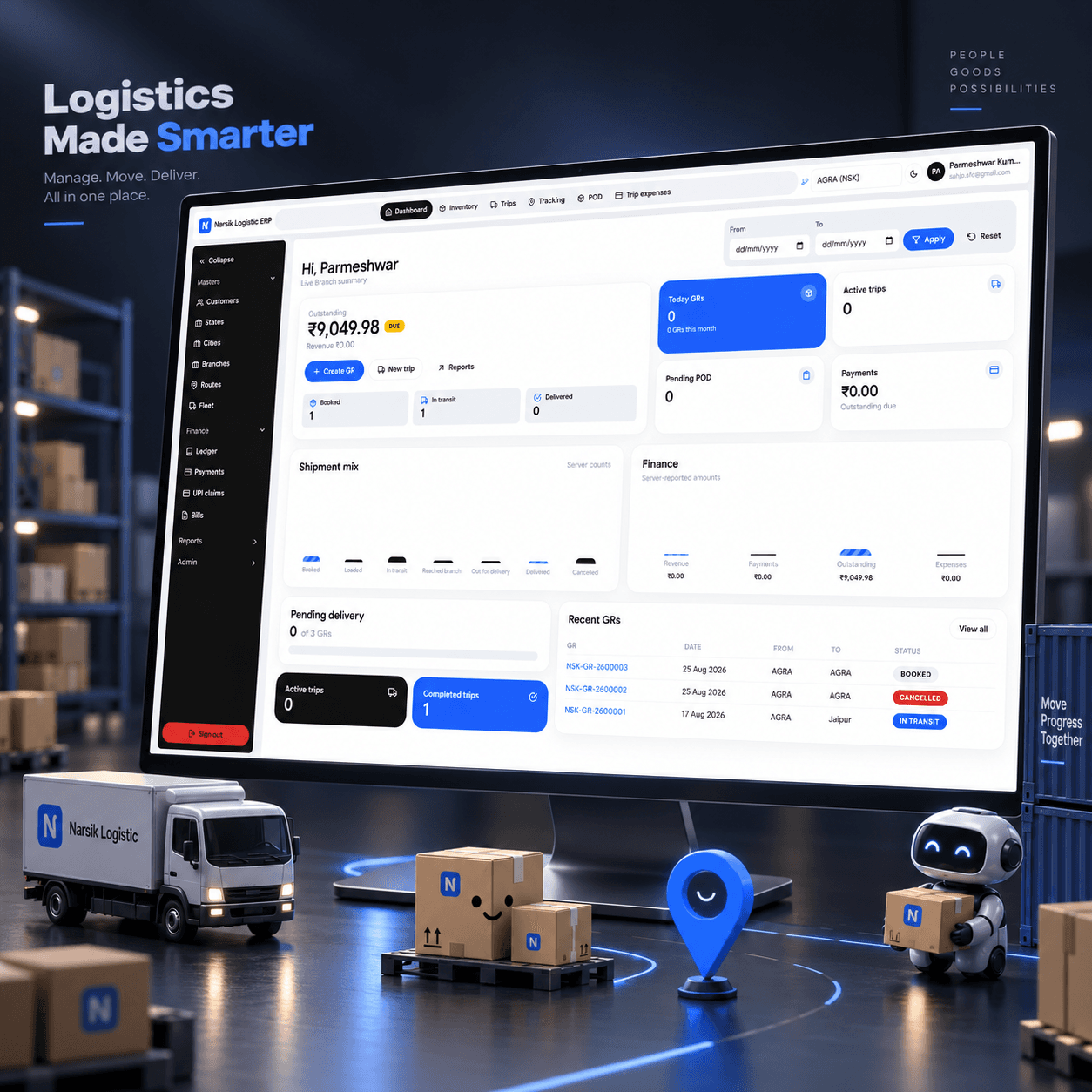
Narsik Logistics ERP is an internal ERP created to manage the daily work of a Part Truck Load logistics company.

Next.jsTypeScriptNestJS
Read case study
DCD – Personal AI Ledger System Case Study
FinTech and Financial Management

DCD – Personal AI Ledger System

Debit Credit Desk (DCD) is an AI-powered financial platform for individuals, accountants and businesses. Users can record income and expenses, manage ledgers, create budgets and view financial reports. They can also ask the AI assistant questions about spending, savings and cash flow.

Next.jsNode.jsExpress.js
Read case study
SendIt Case Study
Logistics, Transportation and Mobility

SendIt

SendIt is a smart logistics and transportation platform that connects customers, drivers, fleet owners, businesses and administrators in one system.

React NativeRedux ToolkitNode.js
Read case study
Vibe – Social Media Platform Case Study
Social Media, Digital Identity, AI and Community Technology

Vibe – Social Media Platform

Vibe is an AI-powered social media platform that helps users build a digital identity through their activity, relationships and community participation.

React NativeNestJSPostgreSQL
Read case study
Food Delivery On Demand Case Study
Food Delivery and Last-Mile Delivery Services

Food Delivery On Demand

Food Delivery On Demand is a mobile food-ordering and delivery platform created for customers, chefs, restaurants and delivery partners.

React NativeRedux ToolkitNode.js
Read case study
XYZ News Case Study
News, Media and Digital Publishing

XYZ News

XYZ News is a mobile news application that brings news videos, reports and daily updates into one place. The app organises content into categories such as political, regional, international, entertainment and viral news, making it easier for users to find relevant updates.

React NativeNode.jsExpress.js
Read case study
Why THE TISA

An AI partner for the parts after the demo.

The hardest work often begins after the first successful model response. That is where application engineering, systems integration, evaluation, security and operations determine whether AI creates durable value.

1

Production-first engineering

We design the software, integration, evaluation and operational layers required around AI models.

2

Model-agnostic thinking

We choose models and providers based on workload constraints instead of forcing every project into one vendor.

3

RAG + agent expertise

Retrieval, orchestration, tools, permissions and human approval are treated as first-class architecture.

4

Business-system integration

AI is connected to the existing systems where work and data already live.

5

Evaluation before confidence

We define what good looks like, create test cases and measure quality instead of relying on demos.

6

Cost-aware architecture

Latency, token usage, model mix, retrieval cost and infrastructure are considered before scale makes them expensive.

7

Security by design

Data handling, access, tools and deployment boundaries are planned with the architecture.

8

Full lifecycle delivery

Move from opportunity and PoC through product engineering, deployment, monitoring and iteration.

AI development process

Reduce uncertainty before you scale complexity.

Our process separates business validation, AI validation and production engineering so teams can learn early without pretending a proof of concept is a finished system.

01 / 09Discover0% complete
01

Discover

Map the business problem, users, workflow, constraints and measurable success criteria.

02

Assess data

Review sources, quality, permissions, retrieval requirements and privacy constraints.

03

Design architecture

Select models, orchestration, tools, retrieval, storage, integrations and deployment boundaries.

04

Build a focused PoC

Prove the risky assumptions with representative workflows before expanding scope.
05

Evaluate

Test accuracy, grounding, task success, failure cases, latency, cost and user experience.
06

Engineer the product

Build the application, agent logic, APIs, data layer, UX, guardrails and integrations.
07

Secure & integrate

Connect approved systems, enforce access boundaries and test sensitive workflows.

08

Deploy

Ship to the agreed cloud environment with monitoring, observability and operational controls.

09

Improve

Use production traces, feedback and evaluation results to improve prompts, retrieval, tools and models.

Questions technical buyers
ask before they build

Clear answers on services, cost, timelines, model choice, RAG, agents, data protection, and client-cloud deployment — the questions teams ask before they engage.

THE TISA provides AI agent development, AI application development, generative AI development, RAG systems, AI SaaS development, AI integration, intelligent automation, LLM engineering, evaluation, deployment and optimization. The architecture is chosen around the business workflow rather than forcing every project into the same AI stack.

Cost depends on workflow complexity, data readiness, model usage, integrations, security requirements, interface scope, evaluation needs and deployment model. A focused proof of concept can be substantially smaller than a production system that must connect to multiple enterprise platforms. THE TISA scopes these variables before quoting.

A focused prototype can often be validated faster than a full production rollout. Production timelines depend on data access, integration complexity, evaluation requirements, security review and product scope. THE TISA separates proof-of-concept work from production engineering so the riskiest assumptions can be tested early.

There is no universal best model. Selection should consider quality on the target task, context needs, latency, cost, data handling, tool use, structured-output reliability, deployment options and vendor constraints. Model routing or a model-agnostic architecture may be appropriate when one model cannot satisfy every workload.

Yes. AI can be added to existing SaaS products, internal applications, CRMs, ERPs, databases, APIs and operational systems. The integration approach depends on how the current software exposes data, actions, identity and permissions.

Yes. A RAG architecture can ingest approved knowledge, create searchable representations, retrieve relevant context, apply authorization rules, ground model answers and return citations or sources where the product requires them.

Yes. Agents can use approved tools and APIs to perform tasks such as retrieving records, creating tickets, updating systems, generating documents, coordinating workflow steps or escalating work. High-impact actions can require explicit human approval.

AI security can include data minimization, provider-specific data settings, private or client-controlled deployments, access control, secrets management, RAG permissions, prompt-injection defenses, tool authorization, logging and human review. Requirements are defined for each project.

Yes. THE TISA can work with commercial and open-source model ecosystems. Model choice is made according to the workload, deployment requirements, data handling, quality, latency and operating cost rather than brand preference.

Depending on the use case, we use retrieval grounding, constrained prompts, structured outputs, validation, deterministic business rules, citations, tool verification, evaluation datasets, fallbacks and human review. The objective is to measure reliability rather than assume it.

Yes. Client-controlled cloud deployment can be supported on suitable AWS, Azure or GCP architectures. Some solutions can also combine managed model APIs with client-owned application and data infrastructure.

RAG retrieves relevant external knowledge at request time so the model can answer from current approved context. Fine-tuning adjusts model behavior through additional training examples. RAG is typically used for dynamic private knowledge, while fine-tuning is useful when behavior, format or task specialization needs to change. They can also be combined.

Have an AI use case in mind?

Tell us the workflow, product or business problem you want to improve. We will help you identify the right AI architecture, model, data approach and path to production.