
Loss notices arrive through disconnected channels
01First notices come by phone, email, broker portal and web form, each in a different format, and must be re-keyed before a claim exists.
We build claims intake, adjuster workbenches and broker or policyholder portals that connect to your policy administration system, organize evidence and keep coverage and settlement decisions with your claims professionals.
Carriers, MGAs, agencies, brokers, TPAs and InsurTech founders








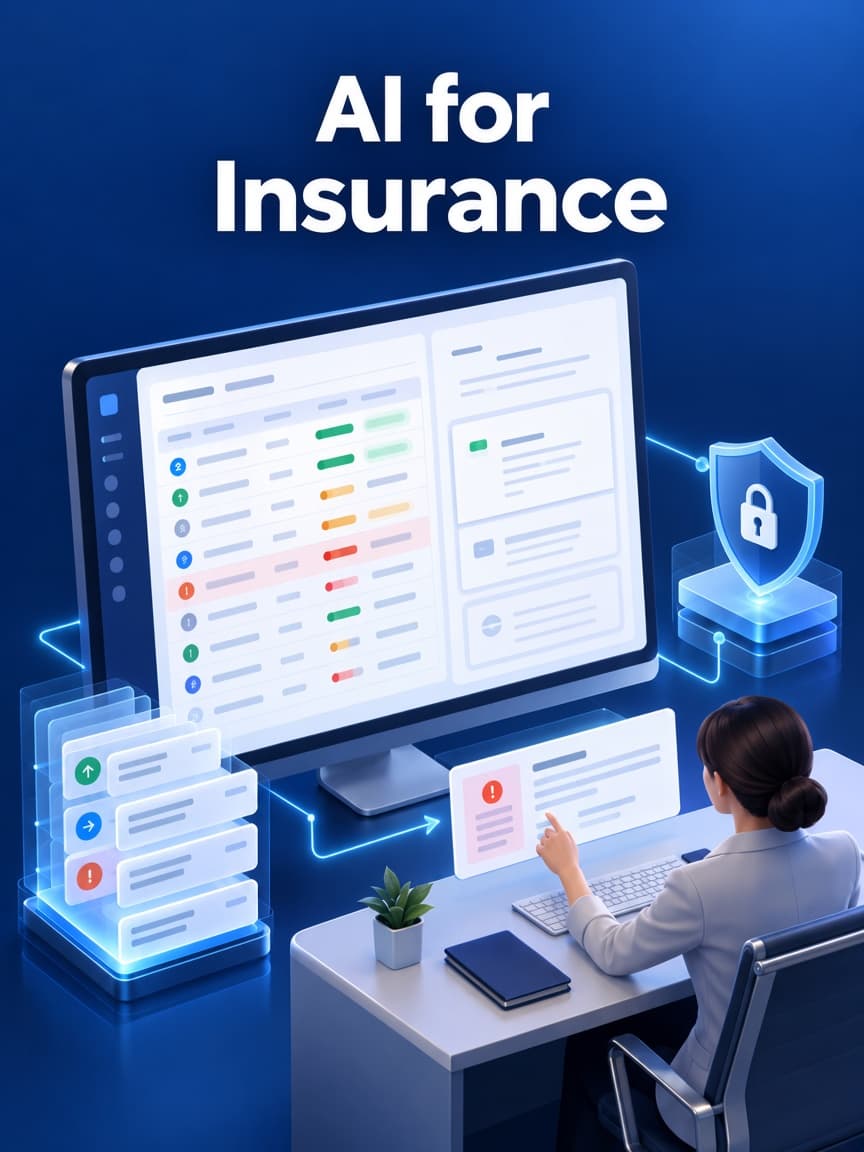
THE OPERATIONAL GAP
Claims handling is a sequence of handoffs. These are the points where time, accuracy and audit evidence are usually lost.
First notices come by phone, email, broker portal and web form, each in a different format, and must be re-keyed before a claim exists.
Photos, estimates, police reports and medical records arrive unlabeled and are filed by hand against the right claim and coverage.
Adjusters switch between policy, billing and claims systems to confirm coverage, limits and deductibles.
Reserve changes and settlement approvals happen in email, making regulatory and reinsurance audits slow and incomplete.
First notices come by phone, email, broker portal and web form, each in a different format, and must be re-keyed before a claim exists.
Photos, estimates, police reports and medical records arrive unlabeled and are filed by hand against the right claim and coverage.
Adjusters switch between policy, billing and claims systems to confirm coverage, limits and deductibles.
Reserve changes and settlement approvals happen in email, making regulatory and reinsurance audits slow and incomplete.
WHAT WE BUILD
We extend your core policy and claims platforms rather than replacing them, and build where they leave gaps.
01
Digital FNOL, triage, evidence views, diaries and reserve workflows in one screen for adjusters.
02
Quote requests, policy documents, endorsements, payments and claim status for brokers and insureds.
03
Two-way integration with policy, billing and claims cores so coverage data is never retyped.
04
Document classification, extraction and templated correspondence with state-specific variations.
01
Digital FNOL, triage, evidence views, diaries and reserve workflows in one screen for adjusters.
02
Quote requests, policy documents, endorsements, payments and claim status for brokers and insureds.
03
Two-way integration with policy, billing and claims cores so coverage data is never retyped.
04
Document classification, extraction and templated correspondence with state-specific variations.
WORKFLOW EXAMPLE
An example claims flow. Triage rules, authority limits and state requirements are configured with your claims leadership.
InputWeb, app, phone or broker submission
OutputClaim record with loss details, reporter and timestamp
01InputClaim record and policy data
OutputCoverage, limits and deductible verified against the policy in force
02InputPhotos, estimates and documents
OutputClassified, extracted documents linked to the claim with confidence scores
03InputTriaged claim and evidence gaps
OutputAssigned adjuster, requests for missing documents and diary dates
Review required
04InputAdjuster recommendation within authority limits
OutputApproved payment, denial or reserve change with approver and reasons
05SYSTEM DESIGN
A reference design that keeps your policy and claims systems as records of truth and adds intake, evidence and workflow around them.
Policy administration interface -> Claim and document repository -> Rules and document extraction service -> Adjuster queue and authority workflow -> Communication and audit services
01
Retrieves policy, coverage and billing status from your core systems through APIs or integration services.
02
Stores claims, evidence and correspondence with versioning and retention rules.
03
Applies triage rules and extracts data from documents, flagging low-confidence fields for review.
04
Assigns work, tracks diaries and enforces reserve and settlement authority limits.
05
Send state-compliant correspondence and keep a complete audit trail of decisions.
Technology
A working set we already use for workflow software. The exact tools are chosen after the interfaces, records, and review points are known.
DESIGN TRADE-OFFS
These choices determine regulatory exposure as much as engineering effort.
Extraction and triage save adjuster time with limited risk. Automated settlement or denial raises unfair claims practices and AI governance concerns.
Define which decisions may be automated with compliance and claims leadership.
Modern cores expose APIs; older or outsourced systems may only exchange files. The right choice depends on what your core and TPAs support.
Review core-system and TPA integration options and costs.
Rules are transparent and easy to audit; statistical models may detect more fraud or severity but need bias testing and documentation.
Test models for unfair discrimination and document them per your state's AI guidance.
Extraction and triage save adjuster time with limited risk. Automated settlement or denial raises unfair claims practices and AI governance concerns.
Define which decisions may be automated with compliance and claims leadership.
Modern cores expose APIs; older or outsourced systems may only exchange files. The right choice depends on what your core and TPAs support.
Review core-system and TPA integration options and costs.
Rules are transparent and easy to audit; statistical models may detect more fraud or severity but need bias testing and documentation.
Test models for unfair discrimination and document them per your state's AI guidance.
SECURITY & COMPLIANCE
Insurance data includes financial, identity and sometimes health information, and decisions are regulated by state.
Insurance laws, unfair claims settlement practices and AI governance expectations vary by state and line of business; many states have adopted the NAIC model bulletin on insurers' use of AI. Software supports compliance but doesn't certify it.
Adjusters, vendors and brokers see only the claims and fields they are assigned or entitled to.
Acknowledgement, investigation and payment deadlines and record retention are configured per state and line of business.
Denials, rescissions and reductions require review by an authorized adjuster with reasons recorded.
Every document, reserve change and decision is linked to who made it, when and on what evidence.
DELIVERY APPROACH
We start with one line of business and claim type, then expand.
01
Inventory core systems, TPAs, document sources and state requirements.
Signed system inventory and requirements by state and line of business.
02
Agree stages, triage rules, authority limits and exception handling.
Approved lifecycle, authority matrix and exception rules.
03
Deliver intake through adjuster assignment for one claim type.
Working workflow processing test claims with real roles.
04
Test over-authority attempts, missing documents and state deadlines.
Test results on authority enforcement, deadlines and audit completeness.
05
Go live with reconciliation against the core claims system.
Reconciliation checks, monitoring and claims oversight owners signed off.
Published work
A published project in this industry is not in the portfolio yet. These are published projects from other operations. The industry on each card is the one that work was built for.
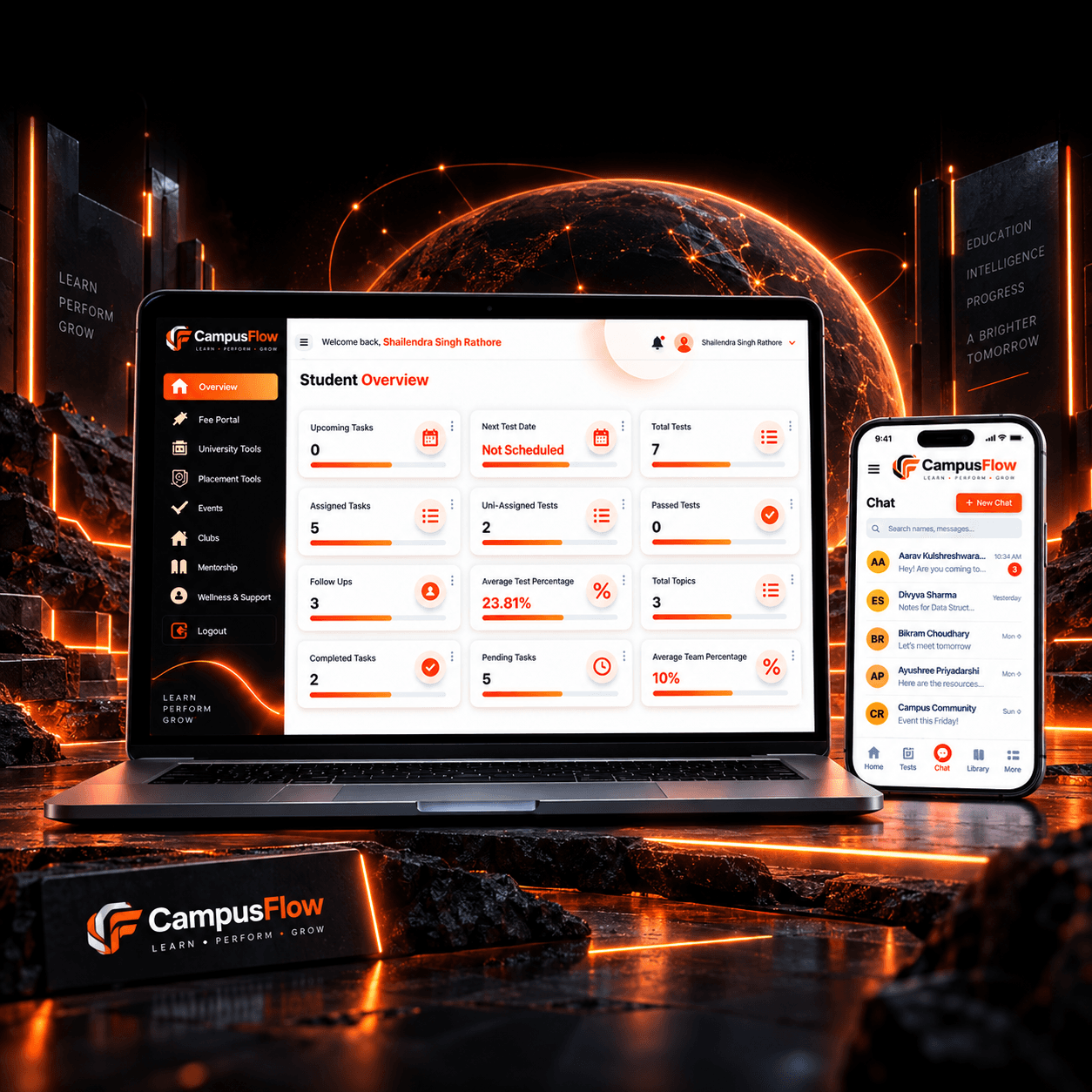
EdTech / Student Management
The client needed one system to manage student activities without using separate tools or manual records.
Read the project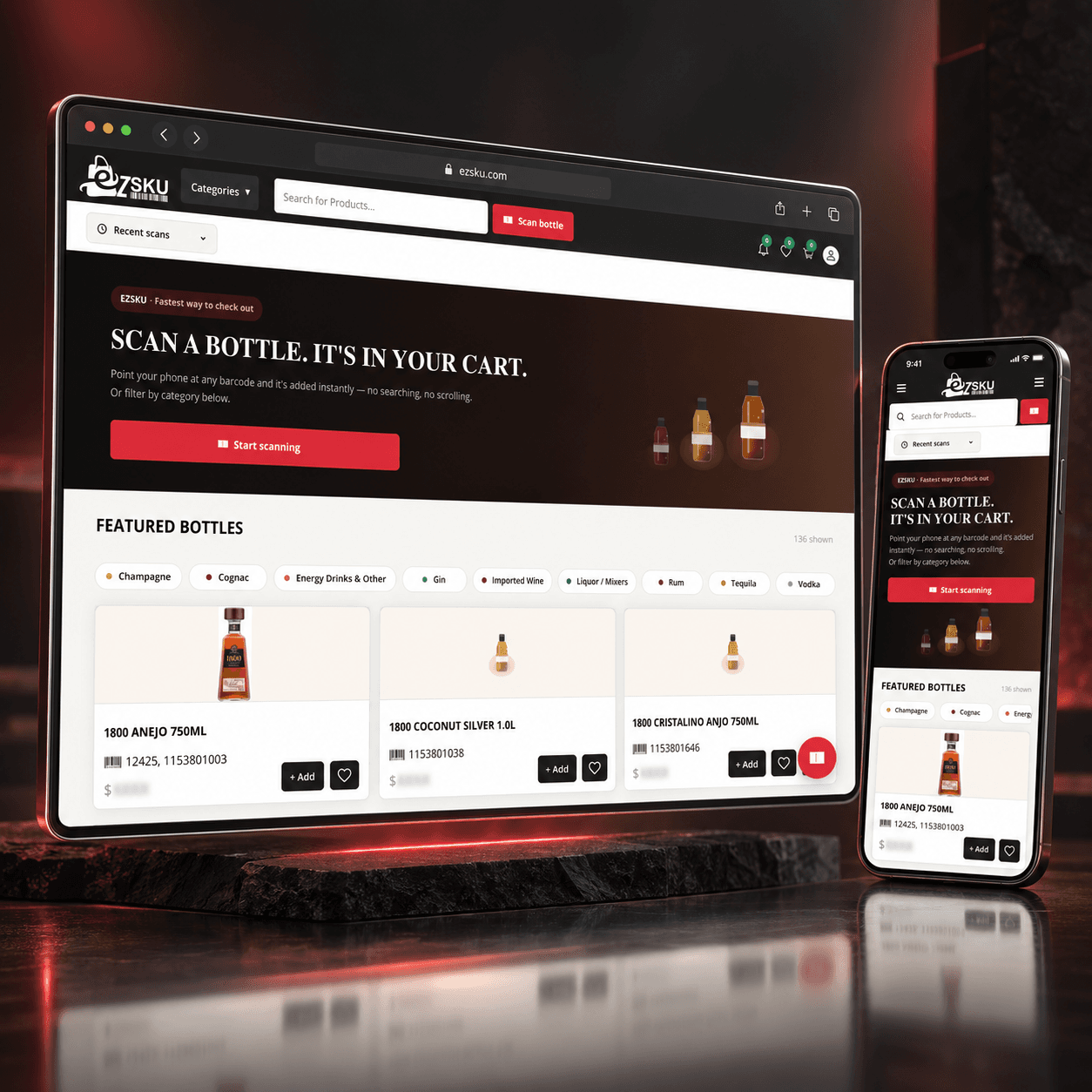
E-commerce / Beverage and Liquor Distribution
The client was facing several problems in the existing product search and ordering process:
Read the project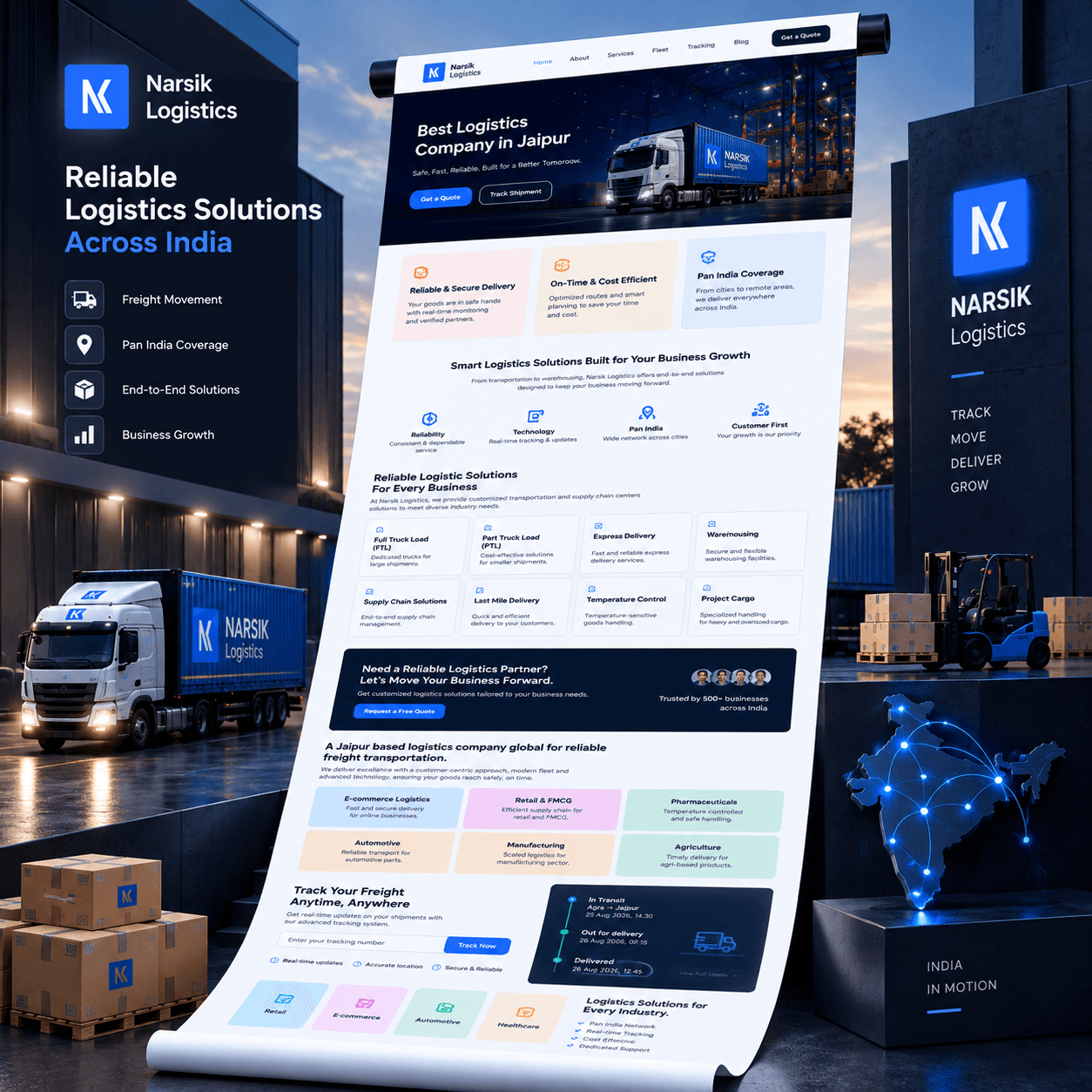
Transport and Logistics
Before building the platform, we identified the main issues in customer communication and shipment handling.
Read the projectFrom the journal
Recent notes from the team. Pieces that match this industry are shown first.
PROJECT PLANNING
Your core-system landscape and a few anonymized claim files are the best starting point.
Which policy, billing and claims systems do you use, and which are outsourced to TPAs?
Which lines of business and states are in scope first?
What are your reserve and settlement authority limits?
Which decisions may be automated, and which must stay with adjusters?
Which measure matters most: cycle time, leakage, adjuster capacity or customer satisfaction?
Core-system API or file access
Anonymized sample claims and documents
State requirements for in-scope lines
Claims and compliance approvers
Core-system API or file access
Anonymized sample claims and documents
State requirements for in-scope lines
Claims and compliance approvers
Usually, through the platform's APIs or integration framework, or through file exchanges for older or outsourced systems. We confirm interface support and licensing with your core vendor first.
Yes. AI can classify attachments, extract key fields and summarize long files for adjusters. Low-confidence results go to staff, and summaries link back to source pages so adjusters can verify them.
Each user has reserve and payment authority limits by line and amount. Actions above a limit route automatically to a supervisor, and every approval is logged with reasons.
We advise against automated adverse decisions. State unfair claims practices laws and AI governance guidance expect human accountability, so we use AI to prepare decisions, not make them.
Yes. MGAs, TPAs and brokers can configure carrier-specific rules, forms, authority and reporting while sharing one intake and workflow platform.
You own the application and the records it stores. Policy administration and claims platforms remain your systems of record. We write back only the fields and statuses your program owners approve.
Yes, when each program has its own rules, roles, and data boundary. A shared screen does not mean shared claim files.
One claim or policy task: intake, document classification, or a referral to an adjuster. Payment and denial stay behind the authority limits you already use.
Notes, files, and status changes are kept with the claim and can be exported for your record schedule. Retention and deletion follow the policy your compliance team sets.
Share your core systems, lines and states. We'll scope a first claim type you can measure end to end.
Tell us how the work runs today, which systems already hold the data, and what a useful first release would change. We use that to judge scope before anyone writes a proposal.
The form goes to a solutions architect at THE TISA. You get a direct reply on fit, approach, and what we would need from your team.
Tell us about the workflow or product. A solutions architect replies within one business day.

