






Software Development Company for Products Built Around Your Business

Your business doesn't need software that simply looks the part. It needs software that works the way your business works.THE TISA builds custom software, web applications, SaaS platforms, enterprise systems, and AI-powered products around your requirements, workflows, and long-term goals. From defining the right solution to engineering, integration, and ongoing improvement, we help turn business requirements into working software.

Let's Talk
  • Google review — THE TISA
  • Clutch review — THE TISA
  • GoodFirms review — THE TISA
  • G2 review — THE TISA

Top Rated

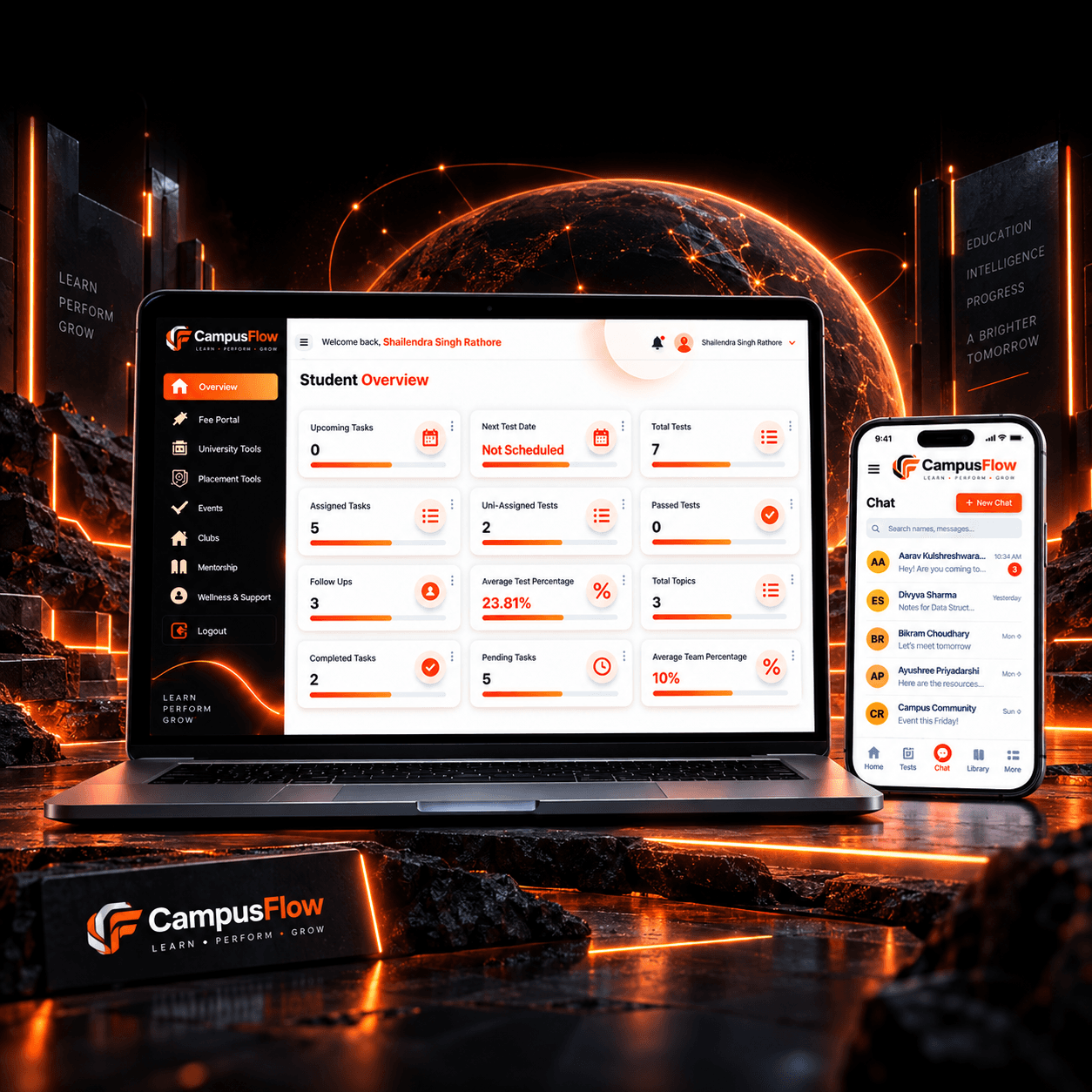
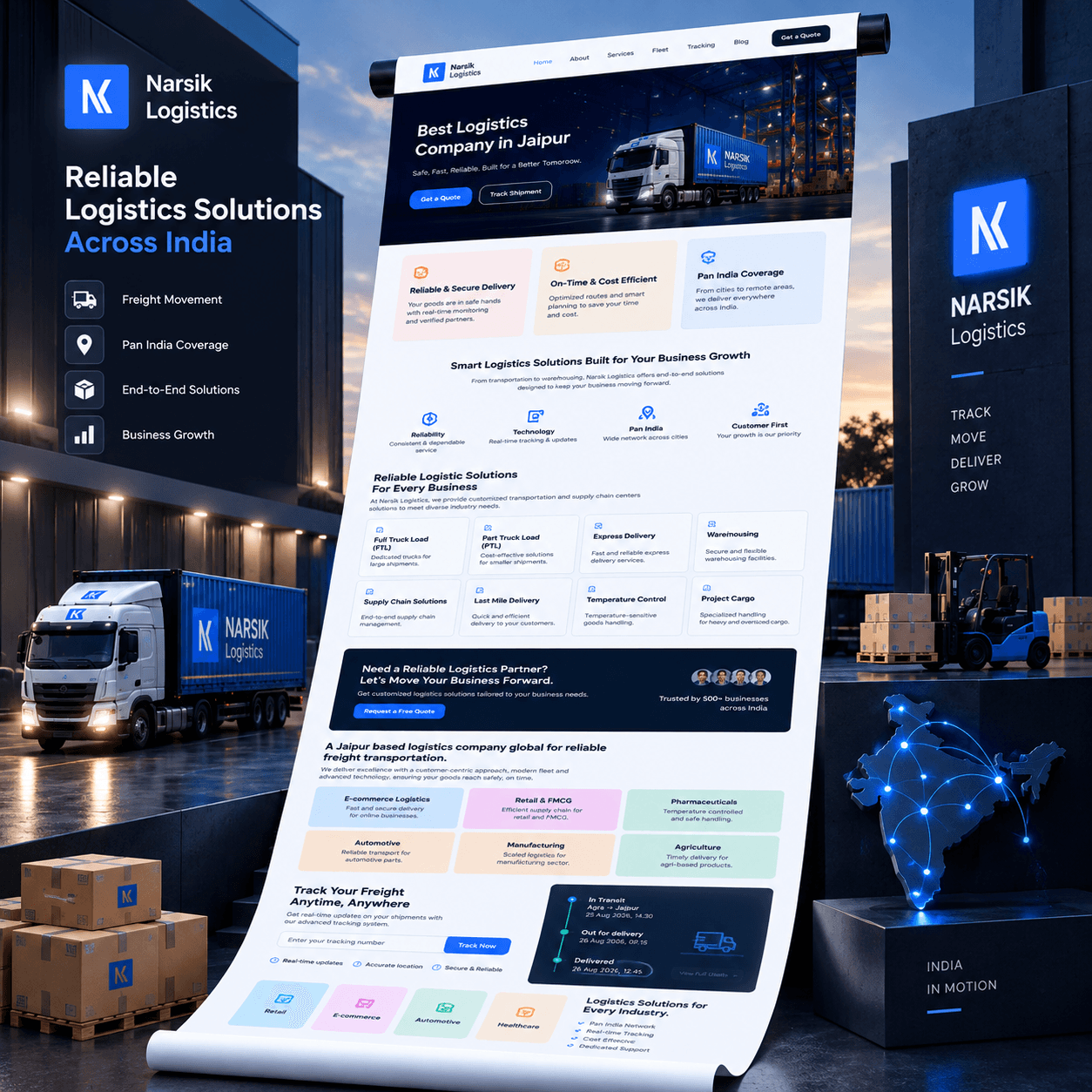
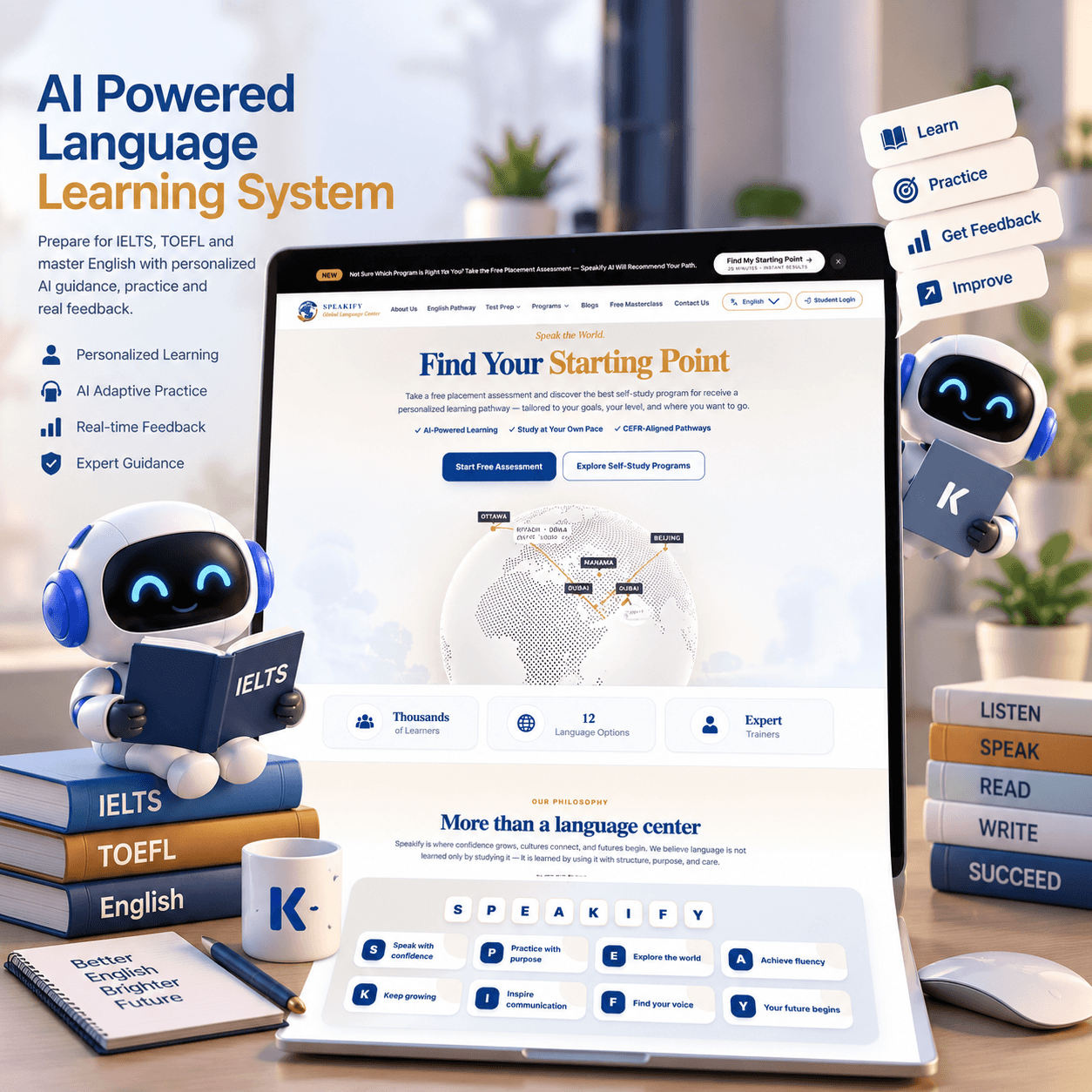
CampusFlow software development case study — THE TISAEZSKU software development case study — THE TISAGroup Hotel Index software development case study — THE TISALockYantra software development case study — THE TISANarsik Logistics software development case study — THE TISAOpsPilot software development case study — THE TISARatiwal software development case study — THE TISASpeakify software development case study — THE TISA

Your Business Has Its Own Logic. Your Software Should Reflect It.

Off-the-shelf tools can be useful until your workflows become too specific, your systems stop communicating, or your team starts working around the limitations of the software. That's when building a solution around your business can make more sense.

CUSTOM SOFTWARE SOLUTIONS

Your workflows don't fit standard tools

Build software around the way your team operates instead of repeatedly adapting your processes to a rigid product. We develop tailored applications that reflect your business logic, simplify day-to-day operations, and give your team the flexibility to work more efficiently as your business evolves.

01 / 03
SYSTEM INTEGRATION

Your systems work separately

Connect the applications, data, and services your business depends on through a more coherent software environment. We help integrate disconnected systems, streamline information flows, and reduce manual work so your tools work together as part of a connected business operation.

02 / 03

PRODUCT ENGINEERING

Your product idea needs a technical foundation

Turn a concept into a working application with a clear scope, practical architecture, and room to evolve. From validating requirements and defining the right technical approach to building and launching the product, we help transform ideas into reliable software designed around real user needs and long-term business goals.

03 / 03

SOFTWARE MODERNIZATION

Your existing software is holding you back

Improve, extend, or modernize an existing system when its limitations begin affecting the product or the people who use it. We help identify technical bottlenecks, improve performance and maintainability, and introduce new capabilities while making practical decisions about what to retain, replace, or rebuild.

04 / 03

BUSINESS-FIRST THINKING

The right solution starts with understanding

The right starting point isn't always more software. It's understanding the problem well enough to choose the right solution. We take the time to understand your workflows, constraints, and business objectives before recommending an approach, ensuring every technical decision serves a clear purpose and creates meaningful value.

05 / 03

Custom software built around your business workflows

01

Scalable architecture designed for long-term growth

02

Seamless integration between systems and applications

03

End-to-end product development from idea to launch

04

Modern web, mobile, cloud, and backend solutions

05

Software modernization, optimization, and ongoing support

06

Clear communication and milestone-driven delivery

07

Experience delivering solutions for international clients

08

Long-term partnerships built around evolving business needs

09

Direct collaboration with the engineers building your product

10

Start With What the Software Must Accomplish

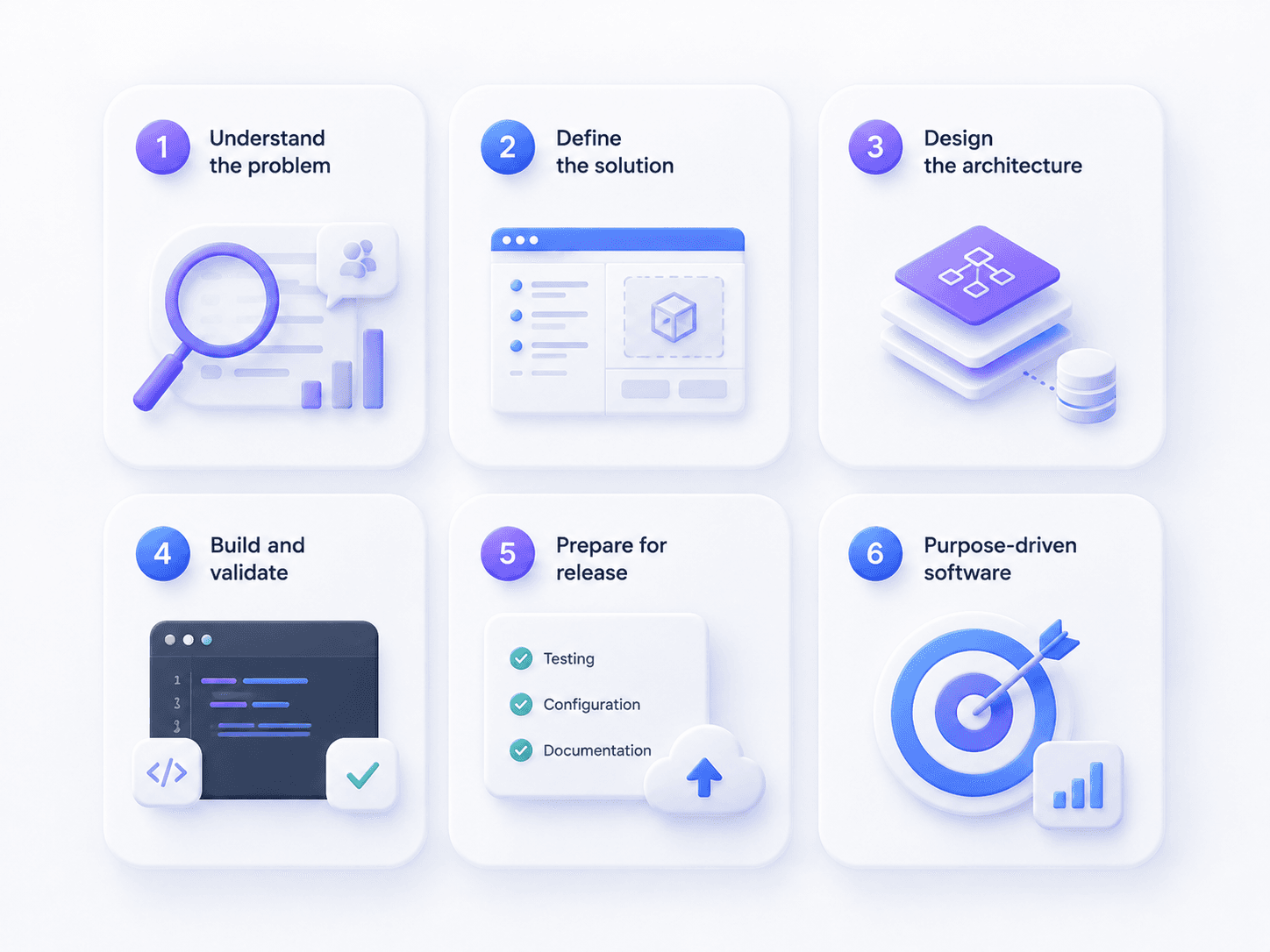
A software project should begin with the business problem, not a predetermined technology stack or a list of features. THE TISA approaches software development by connecting what your business needs with what the product must do, how people will use it, and how the system should operate. This results in software built around a defined purpose-not a collection of features without a clear connection to the business.

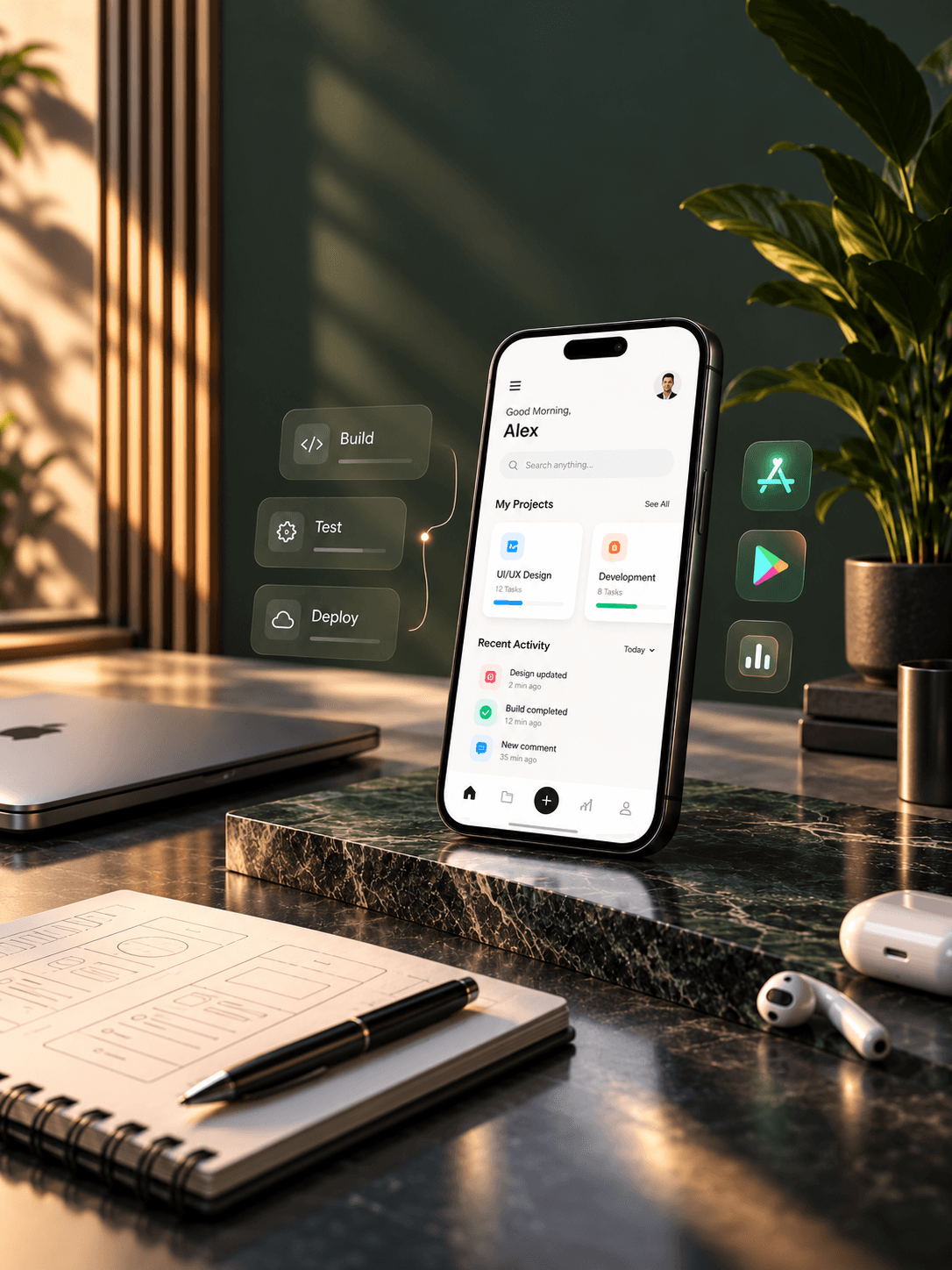
Steps of the software development process by THE TISA.

Workflows stop bending around a tool

The software follows the way your team already works. People spend less time adapting a rigid product, and the same tasks take less time once the system is in daily use.

Separate systems start sharing the work

Orders, customers, and operations move between the tools you already run. The new software connects those systems instead of becoming another place someone has to copy data into.

One Development Partner for Different Software Needs

Different projects need different kinds of engineering. Some require a new digital product; others need internal systems, connected applications, or a more capable version of software that already exists.

Custom Software Development service — THE TISA

CUSTOM SOFTWARE

Custom Software Development

We build custom software tailored to your business processes, requirements, and long-term goals - giving you greater flexibility, control, and scalability.

Enterprise Software Development service — THE TISA

ENTERPRISE

Enterprise Software Development

We develop secure and scalable enterprise software for complex business operations, internal systems, portals, workflows, and large-scale applications.

SaaS Development service — THE TISA

SAAS

SaaS Development

We build scalable SaaS platforms with multi-tenant architecture, user management, subscriptions, billing, analytics, and integrations.

Web Application Development service — THE TISA

WEB APPLICATIONS

Web Application Development

We develop fast, responsive, and scalable web applications using modern technologies such as React, Next.js, Node.js, and Python.

Mobile App Development service — THE TISA

MOBILE

Mobile App Development

We create mobile applications for iOS and Android using modern frameworks such as React Native and Flutter, with features such as APIs, payments, notifications, and real-time functionality.

API & Backend Development service — THE TISA

BACKEND

API & Backend Development

We design and develop reliable backend systems, REST APIs, databases, authentication, integrations, and scalable server-side architectures.

Software Integration service — THE TISA

INTEGRATIONS

Software Integration

We connect your software with third-party platforms, payment gateways, CRM systems, communication tools, cloud services, and AI APIs to create connected business workflows.

AI-Powered Software Development service — THE TISA

AI + SOFTWARE

AI-Powered Software Development

We integrate AI into software products through AI applications, AI agents, generative AI, RAG, intelligent automation, and AI-powered analytics to make software more capable and efficient.

Build AI Into the Way Your Software Works

AI can make software more useful when it solves a specific problem within the product or workflow. It should have a clear purpose rather than being added simply because a product is expected to use AI. The engineering work extends beyond connecting a model. The solution may also need application integration, permission boundaries, error handling, evaluation, and appropriate human oversight. THE TISA can help assess where AI fits into a software product and how it can be integrated into the wider application architecture.

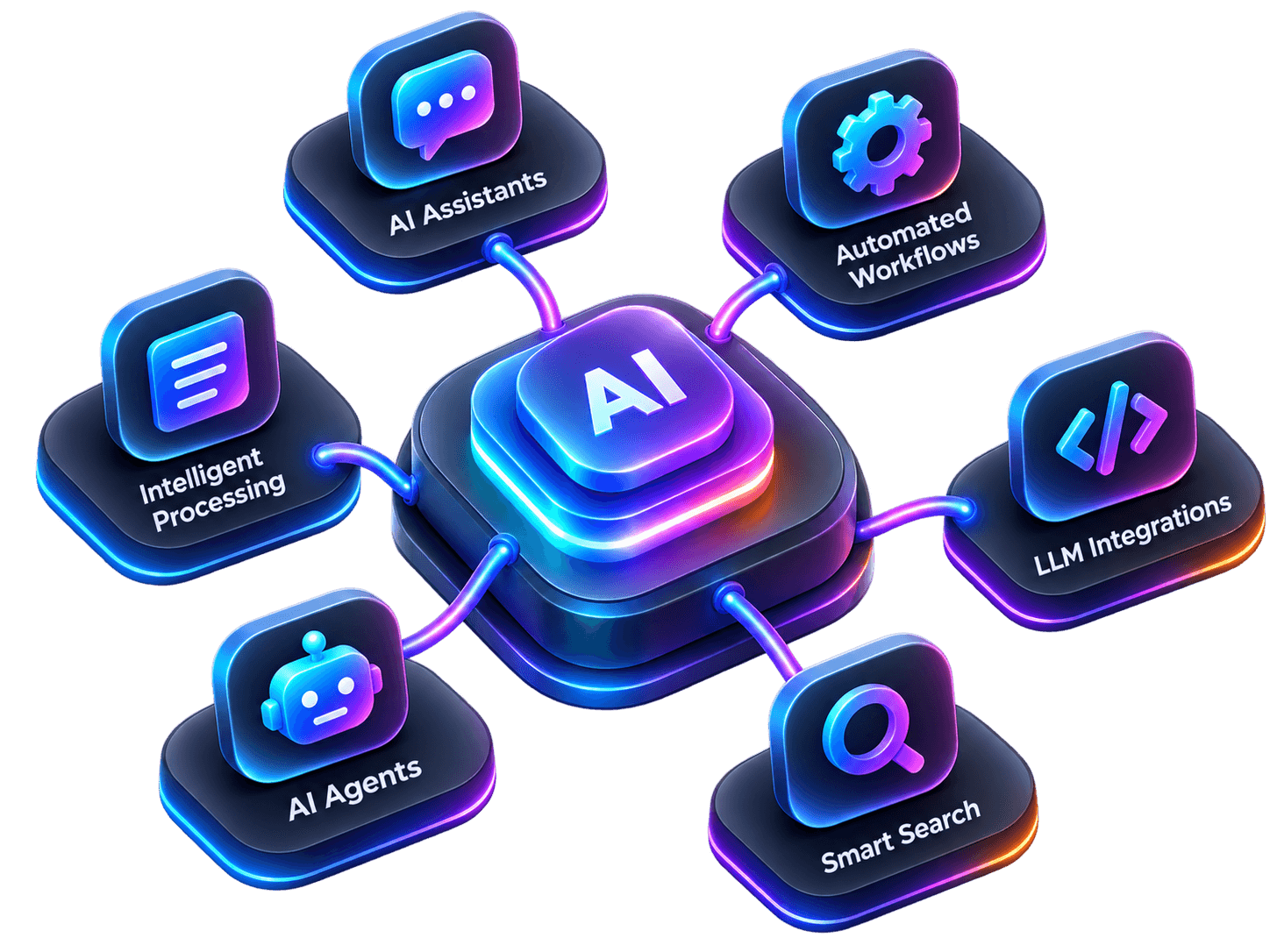
AI assistants that help users interact with information and application functionality.
AI-powered workflows that reduce repetitive manual steps.
LLM integrations that bring language-model capabilities into existing products.
Intelligent information processing and search experiences.
AI agents designed to perform defined tasks within approved tools and workflows.
THE TISA provides production-ready & scalable AI software development services for businesses.

The Important Decisions Happen Beneath the Interface

A product's interface is only one part of the system. Its underlying architecture determines how data moves, how business rules are enforced, how integrations behave, and how the application can change over time. Not every project needs the same architecture. Good engineering means making decisions that suit the product—not making every product unnecessarily complex.

01

Architecture that fits the requirements

Choose the system structure based on the product's actual complexity instead of introducing unnecessary technical overhead.

02

Data and business logic

Model the information, relationships, and rules the application needs to handle consistently.

03

Access and security

Define appropriate authentication, authorization, data protection, and security controls for the application and its users.

04

Integrations that behave predictably

Plan for API failures, invalid data, retries, and other integration concerns relevant to the system.

05

Maintainability and future change

Organize the code and application boundaries so that future development doesn't become unnecessarily difficult.

06

Testing and validation

Test important user journeys, business rules, and system behavior against the requirements.

See How Software Requirements Become Working Systems

The most useful way to evaluate a software development partner is to understand the work behind the product: the problem, the system being built, the engineering decisions, and the functionality delivered.

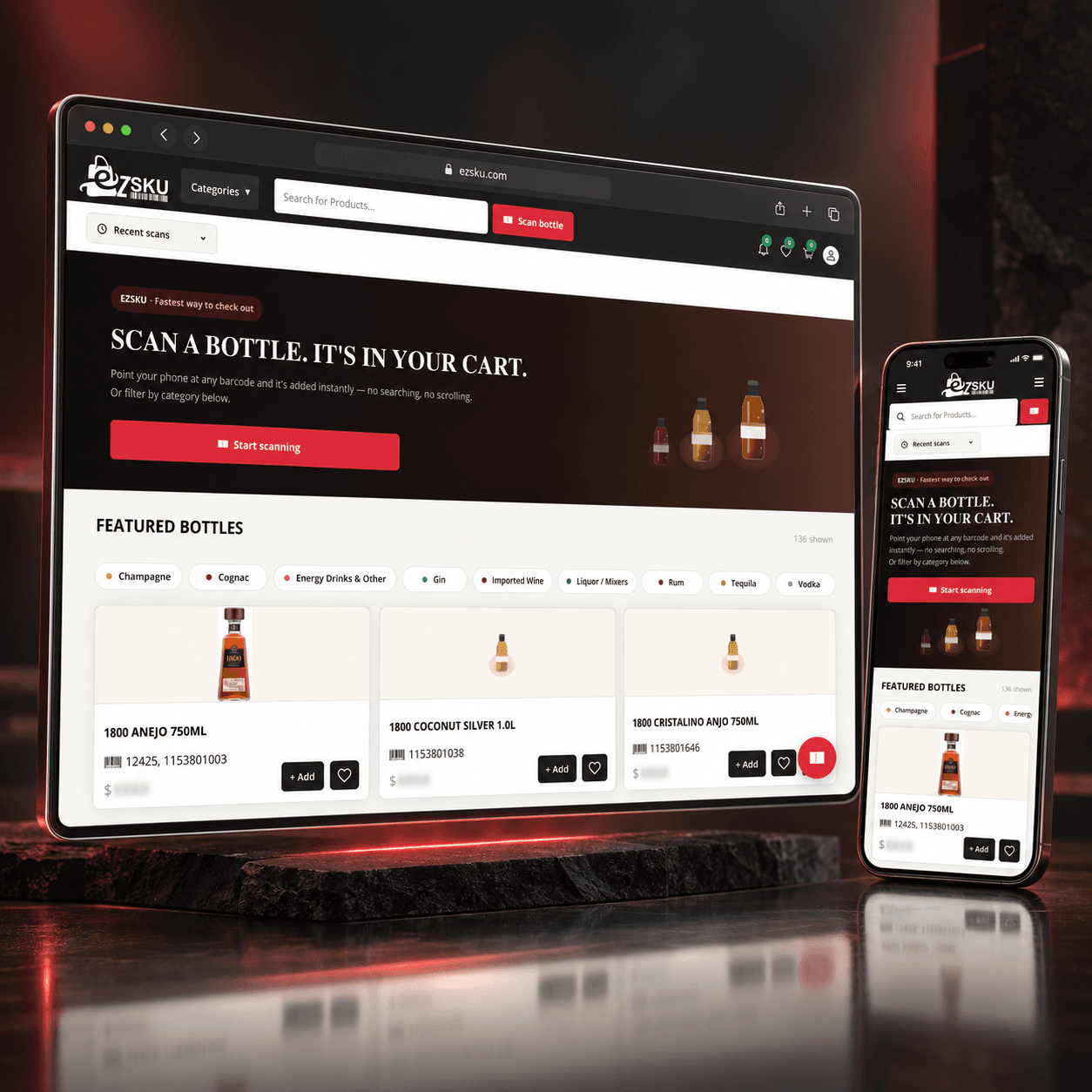
B2B PWA Ordering Platform with Barcode-Based Product Discovery

EZSKU

The challenge

Buyers had to go through manual catalogs to find the right products.

The solution

We built a complete B2B ordering system with searchable product listings, category and price filters, detailed product pages, cart management, and secure online payments. The system also includes barcode-based product discovery, responsive layouts, a mobile app-like PWA experience, and backend tools for managing products, categories, inquiries, and incoming orders.

  • React.js
  • Bootstrap
  • Redux
  • Node.js
  • Express.js
  • REST APIs
Explore case study

01/06

Software Should Reflect the Environment It Serves

A customer-facing product, an internal operations platform, and an enterprise application have different users, constraints, and priorities.

The development approach should account for those differences from the beginning.

01

Startups and new ventures

Establish a focused first release around the core product requirements, with a foundation that supports informed iteration.

02

Growing businesses

Connect processes, improve existing applications, and develop software that can accommodate changing operational needs.

03

Enterprise teams

Address complex workflows, system integration, access requirements, and the coordination needed across different business functions.

04

Product and technology teams

Extend an existing product, develop new functionality, or address technical requirements that the current team needs help delivering.

The objective is not to force every organization into the same development model. It's to define a solution that fits the product, its users, and its operating environment.

Software Development Doesn't End at Launch

A release puts software into use. It also reveals how the product performs in its real environment, how users interact with it, and what needs to change next.

Depending on the project scope, development support may cover:

  1. Planning and scoping

    Clarify requirements, priorities, dependencies, and the definition of a successful release.

    01
  2. Product and technical design

    Translate requirements into application flows, interfaces, data structures, and system architecture.

    02
  3. Development

    Implement the agreed functionality in stages, with progress reviewed against the project scope.

    03
  4. Testing and release preparation

    Validate critical workflows and address issues identified during testing before deployment.

    04
  5. Deployment and handover

    Prepare the agreed release process, configuration, and relevant documentation.

    05
  6. Ongoing improvement

    Extend functionality, resolve issues, and make changes as the product's needs evolve.

    06

The exact delivery process depends on the project. Scope, responsibilities, deliverables, and post-launch support should be agreed upon before development begins.

See the development process

The Right Stack Is the One That Fits the Product

Technology should follow the requirements—not the other way around.

The right choices depend on the application's functionality, expected usage, integrations, security needs, team capabilities, and long-term maintenance requirements.

  • Frontend development

    Build the interfaces and user experiences people use to interact with the product.

    React
    Next.js
    TypeScript
    Tailwind CSS
    HTML5
    CSS3
    Redux
    Vue.js
    React
    Next.js
    TypeScript
    Tailwind CSS
    HTML5
    CSS3
    Redux
    Vue.js
  • Backend development

    Implement business logic, application services, APIs, and the functionality that powers the product.

    Node.js
    Python
    Express.js
    NestJS
    Django
    GraphQL
    Node.js
    Python
    Express.js
    NestJS
    Django
    GraphQL
  • Databases and data management

    Choose suitable approaches for storing, organizing, retrieving, and managing application data.

    PostgreSQL
    MongoDB
    MySQL
    Redis
    Prisma
    PostgreSQL
    MongoDB
    MySQL
    Redis
    Prisma
  • APIs and integrations

    Connect external services and internal systems where the product requires them.

    GraphQL
    Firebase
    Supabase
    GitHub
    Nginx
    GraphQL
    Firebase
    Supabase
    GitHub
    Nginx
  • Cloud and deployment

    Plan the infrastructure and release approach around the application's operational needs.

    AWS
    Azure
    Docker
    Kubernetes
    Vercel
    Git
    AWS
    Azure
    Docker
    Kubernetes
    Vercel
    Git
  • AI and model integration

    Where AI is appropriate, integrate the required model or service into the product's broader application workflow.

    OpenAI
    Claude
    Gemini
    LangChain
    PyTorch
    TensorFlow
    Hugging Face
    OpenAI
    Claude
    Gemini
    LangChain
    PyTorch
    TensorFlow
    Hugging Face

We select technologies according to the requirements of the project rather than applying one fixed stack to every solution.

Clear Scope. Direct Communication. Engineering With Purpose.

Software projects become harder to manage when requirements are unclear, technical decisions are disconnected from business priorities, or responsibilities are left undefined. A productive development relationship needs clarity on both the engineering and the way the work will be delivered.

Requirements before assumptions

Clarify the problem, constraints, and expected functionality before committing to an implementation.

Decisions with a reason

Explain important technical choices in relation to the product's needs and trade-offs.

Progress you can evaluate

Keep development aligned with agreed requirements and make changes visible as the project evolves.

Scope that stays understandable

Define what is included, what depends on external services, and what may require a separate phase.

A foundation for continued development

Consider maintainability and future changes without overengineering the initial release.

Software Development FAQs for
Business Leaders

Explore clear answers about custom software, SaaS platforms, web and mobile apps, timelines, cost, AI, ownership, and how a project with THE TISA starts.

A software development company plans, designs, builds, tests, and may maintain software applications based on a business's or product team's requirements. Depending on the project, this can include custom applications, SaaS platforms, enterprise systems, integrations, and AI-powered functionality.

Custom software may be appropriate when existing tools cannot support important workflows, when multiple systems need to work together, or when a business needs a product with specific functionality. The decision should consider cost, complexity, maintenance, and whether existing software can meet the requirement.

THE TISA's service offering can include custom software, web applications, SaaS products, enterprise systems, mobile applications, APIs, integrations, and AI-powered software. The exact scope and available capabilities should be confirmed for each project.

The cost depends on the scope, complexity, integrations, design requirements, security needs, and delivery expectations. A useful estimate starts with understanding the requirements and separating essential functionality from later improvements.

Timelines depend on the product's complexity, the scope of the first release, integration dependencies, and the time needed for testing and feedback. A defined initial scope makes planning more practical than estimating from a broad idea alone.

Yes, where the existing application's code, architecture, access, and technical condition allow it. An initial assessment can help identify the changes required and whether modernization, targeted improvements, or a larger rebuild is the more appropriate option.

AI can be integrated when it serves a defined product or business need. The appropriate approach depends on the task, available data, model capabilities, integration requirements, reliability expectations, and necessary controls.

A short description of the problem, intended users, essential functionality, existing systems, constraints, and desired outcome is a useful starting point. You do not need a complete technical specification before an initial discussion.

Let's Define What Your Software Actually Needs

Bring the product idea, the workflow that keeps stalling, or the system that no longer fits how the business runs. We start from that problem, not from a stack.

On the first conversation we map what has to work in production, what can wait, and where the current tools already do the job. You leave with a scope, a technical approach, and a clear list of what we need from your team.

Share the context in the form. A solutions architect at THE TISA reads it and replies with the next step, including when software is not the right fix.

18+AI Agents
24+Workflow Automation
35+AI Integrations
12+SaaS Products
16+Generative AI
40+Mobile Apps
45+Web Platforms
25+Cloud Delivery
98%Client Retention

Share your scope

Tell us about the workflow or product. A solutions architect replies within one business day.

2 + 6 =