

 01
Flutter App Development
Custom-designed apps with smooth animation and consistent branding on both platforms.

Transform healthcare with AI-powered diagnostics, digital patient experiences, and intelligent healthcare management systems.

Modernize financial services with AI-driven insights, intelligent automation, secure digital banking, and smarter payment solutions.

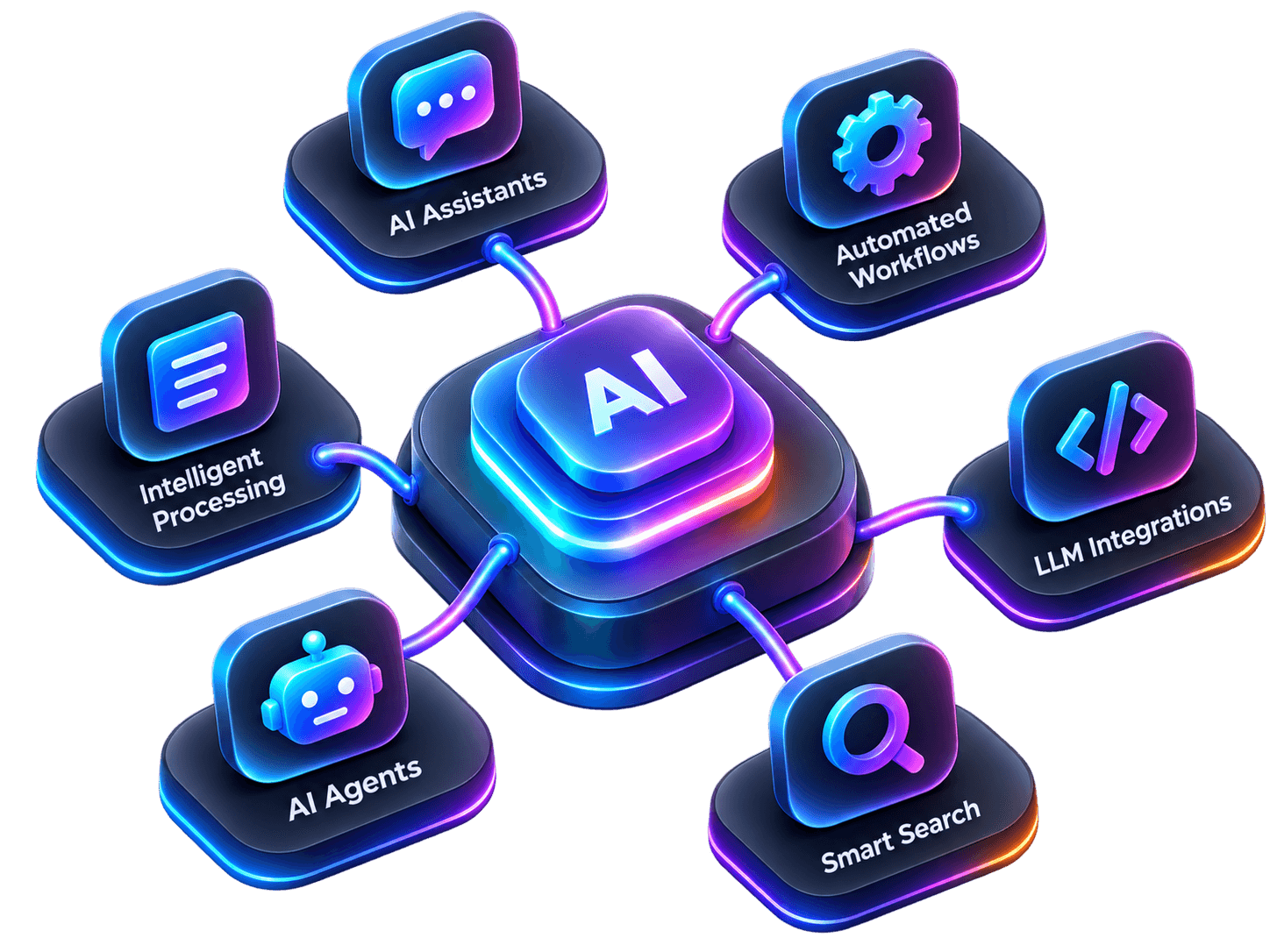
Build smarter digital products with AI integration, scalable software development, cloud solutions, and intelligent automation.

Elevate digital commerce with AI-powered personalization, intelligent recommendations, automated operations, and seamless shopping experiences.
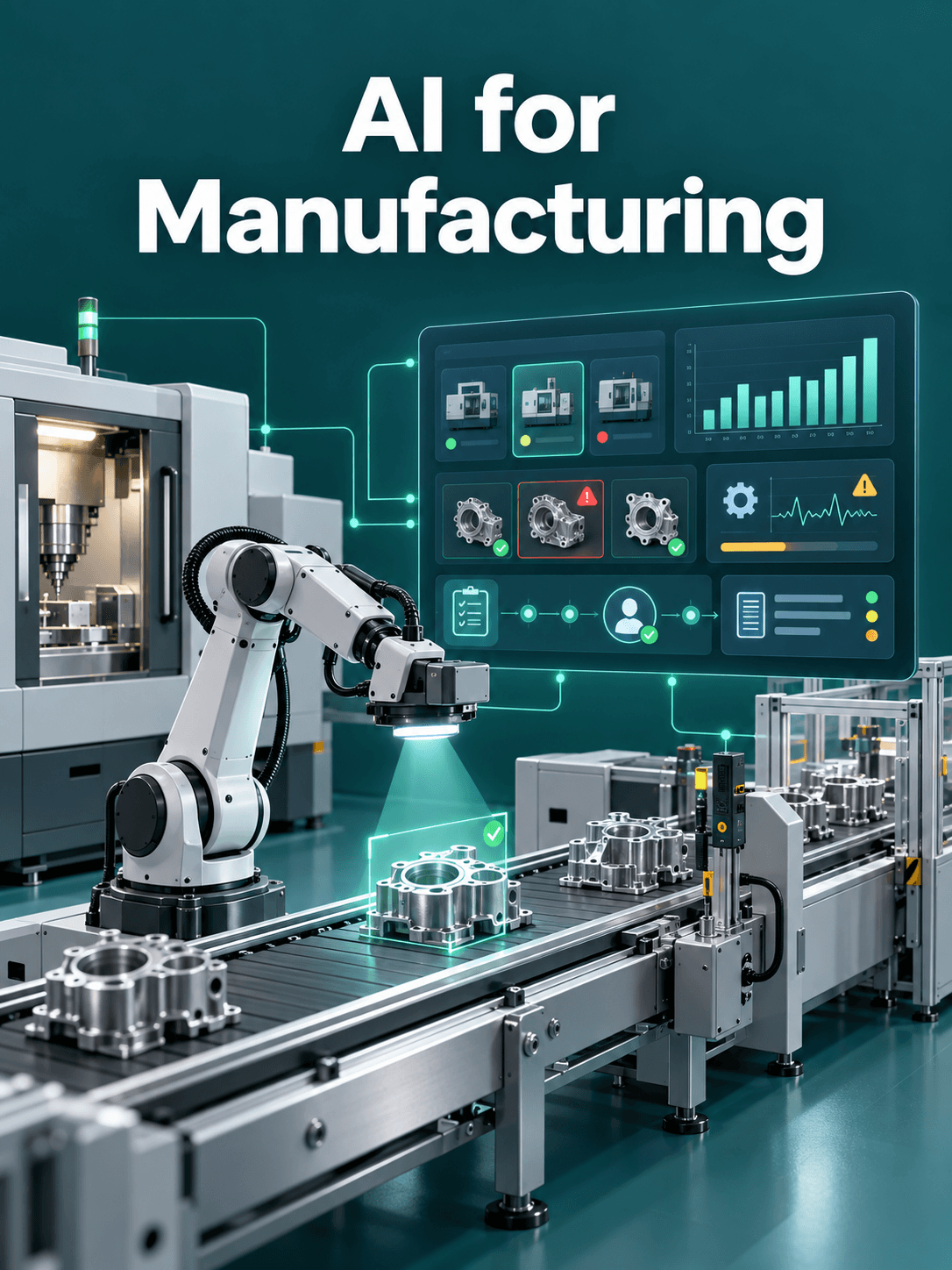
Accelerate smart manufacturing through AI-driven quality control, predictive maintenance, connected systems, and process automation.
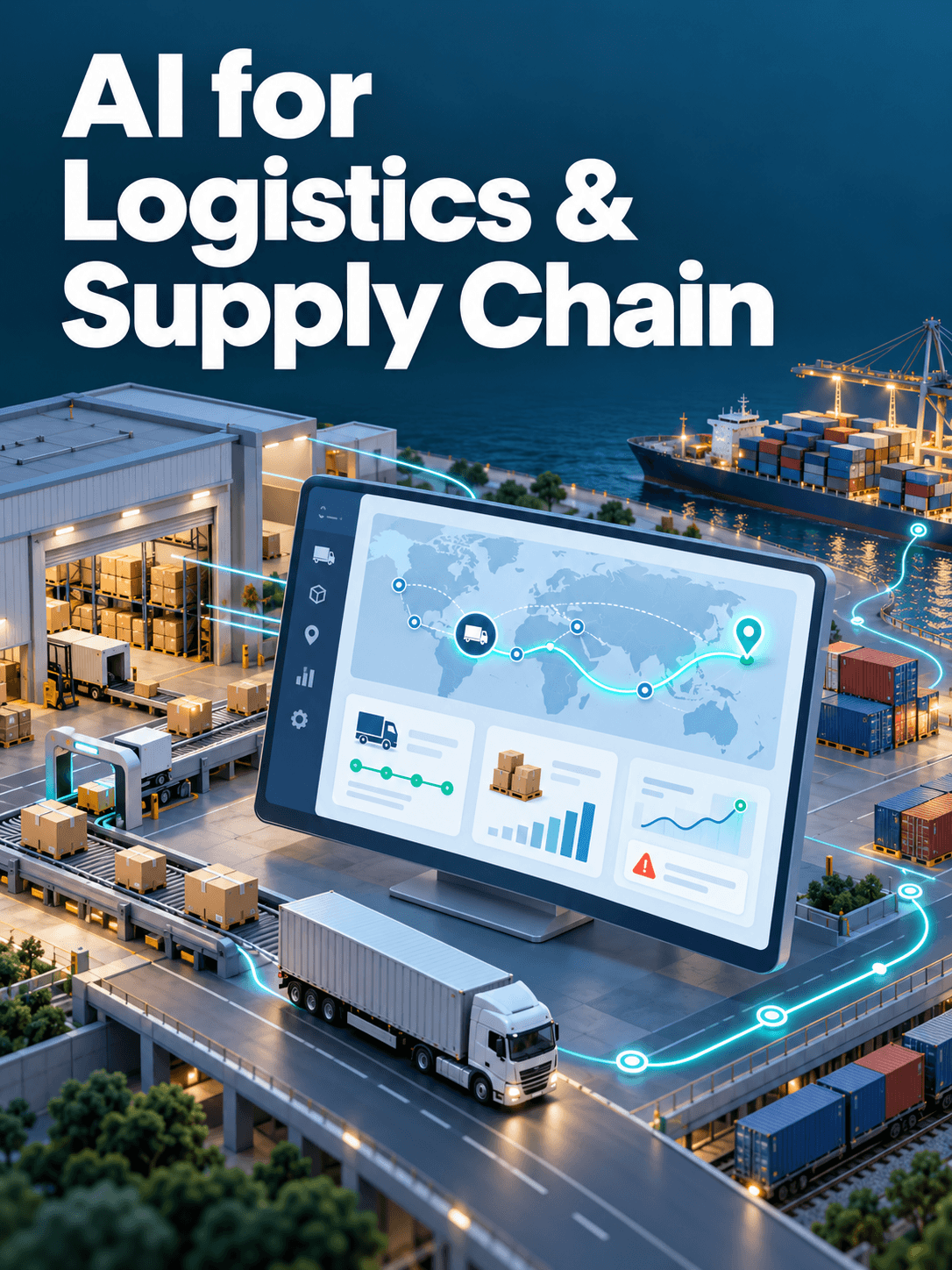
Optimize supply chains with AI-powered forecasting, intelligent route planning, real-time tracking, and automated logistics.
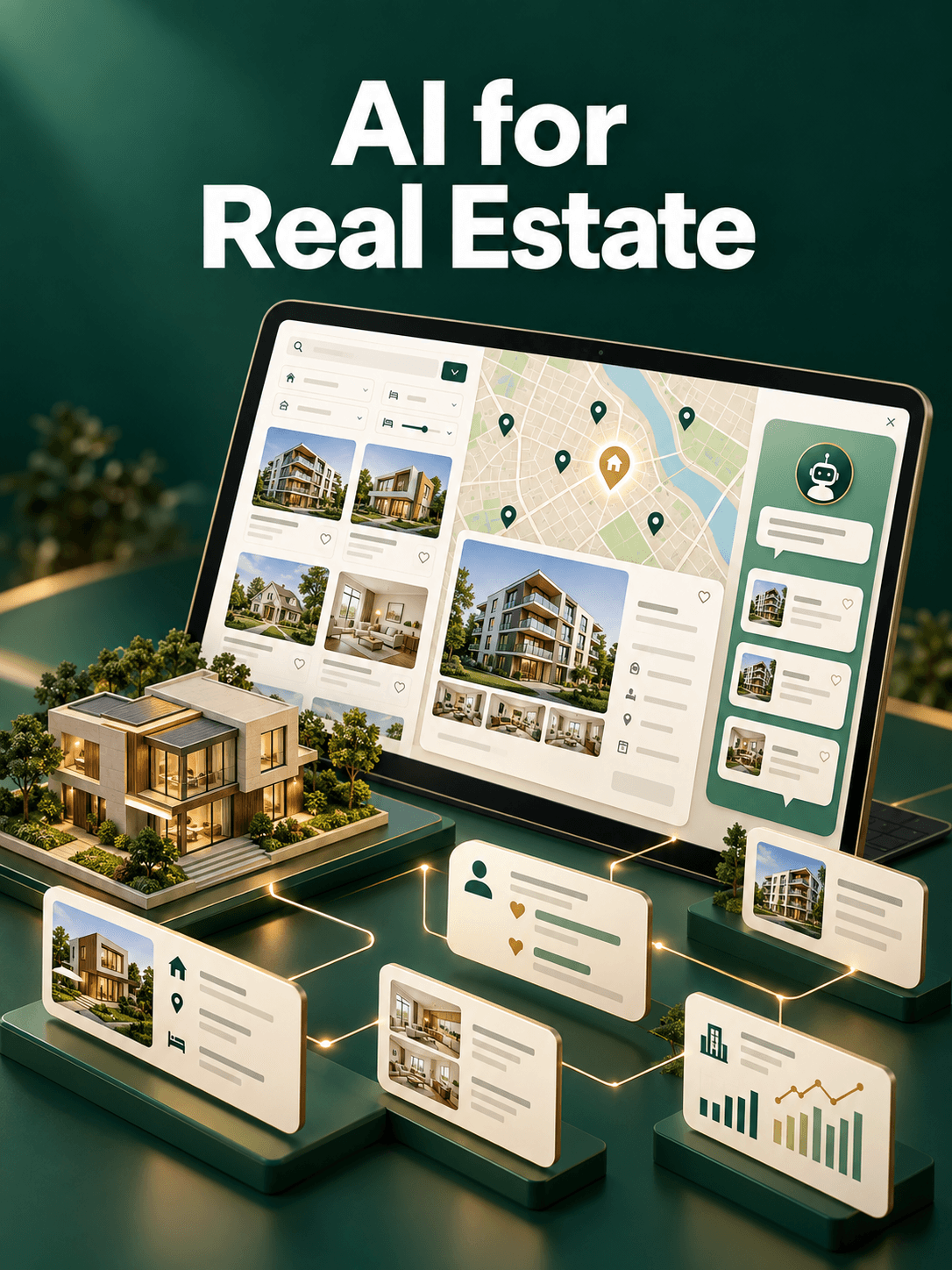
Reimagine real estate with AI-powered property insights, intelligent lead management, digital platforms, and automated workflows.

Advance public services with AI-driven workflows, intelligent citizen services, secure digital platforms, and process automation.

Redefine learning with AI-powered education tools, personalized learning experiences, intelligent platforms, and digital classrooms.
Transform content creation and delivery with generative AI, intelligent recommendations, workflow automation, and immersive digital experiences.

Modernize insurance with AI-powered risk assessment, automated claims processing, predictive analytics, and intelligent customer experiences.

Enhance travel and hospitality with AI-powered booking experiences, personalized recommendations, intelligent assistance, and automated operations.

Modernize legal workflows with AI-assisted research, intelligent document processing, workflow automation, and secure digital solutions.
Drive smarter energy operations with AI-powered forecasting, predictive maintenance, intelligent monitoring, and resource optimization.
Empower professional services with AI-driven productivity, intelligent workflow automation, data insights, and connected digital solutions.
Explore AI-powered solutions, intelligent automation, and digital experiences built to move your business forward.
Recognition
Reach iPhone and Android users with a shared codebase when it fits your project. We compare Flutter, React Native and native development using your features, budget and long-term roadmap. THE TISA provides cross-platform app development services to US startups and growing businesses that need iOS and Android at launch. We build with Flutter and React Native, write native modules when a feature demands it and launch on both stores together. Explore THE TISA’s published project case studies to review relevant delivery experience.


Top Rated
 CampusFlow
 EZSKU
 Group Hotel Index
 LockYantra
 Narsik Logistics
 OpsPilot
 Ratiwal
 Speakify
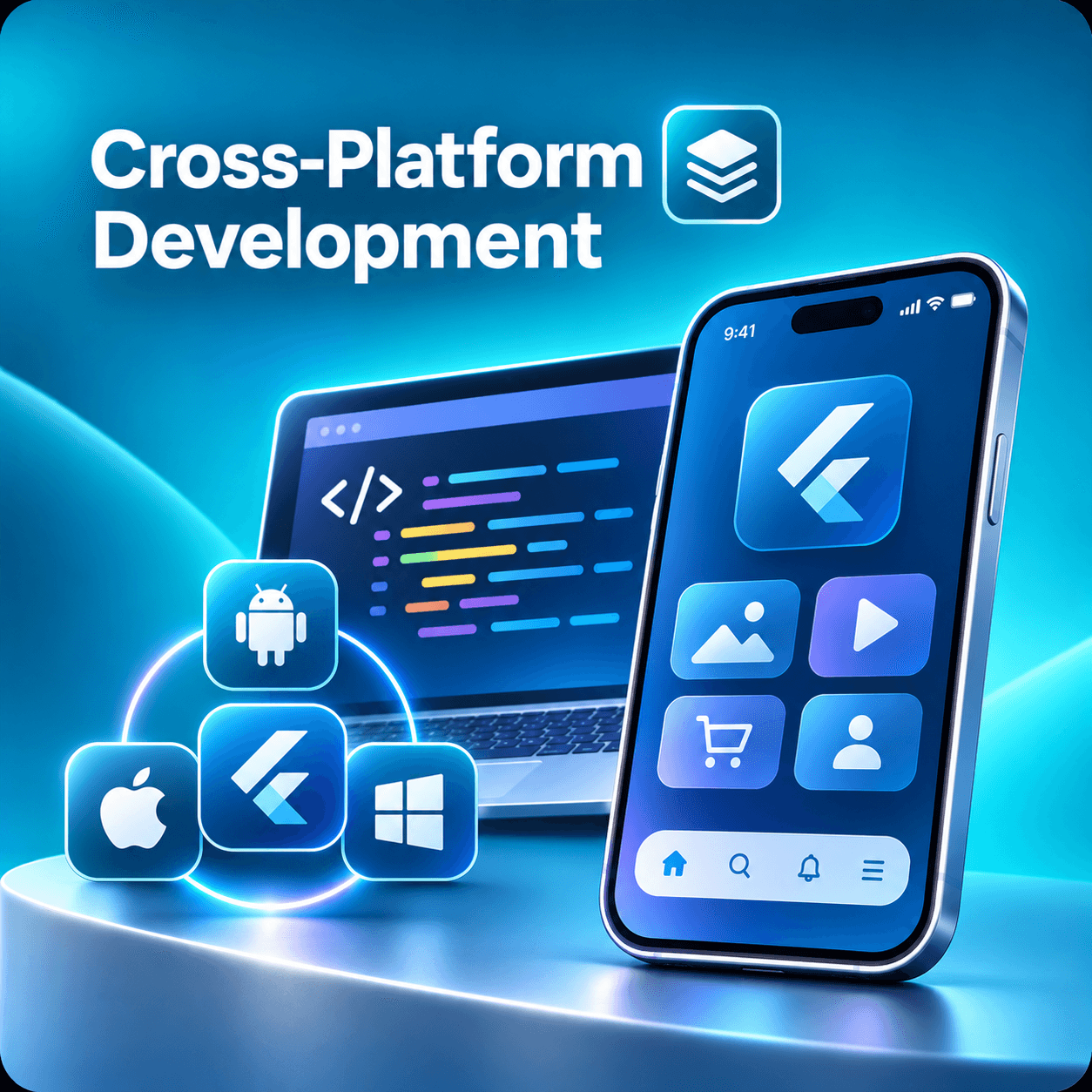
Cross-platform app development means building one app from a single codebase that runs on both iOS and Android.
The leading frameworks are Flutter (by Google) and React Native (by Meta). Most apps share a large majority of their code across platforms, with small native modules for device-specific features.
A cross-platform app can be budgeted ats 25–40% less than building two separate native apps. Typical projects cost $35,000 – $120,000 and take 3–5 months.
Prototype the most demanding native integrations early, including camera, payments, notifications or background tasks.
Measure device performance before committing to the framework.
Most business apps fit the left column. If yours fits the right, see iOS app development or Android app development.
| Choose cross-platform when | Choose native when |
|---|---|
| You need iOS and Android at launch on one budget | Your users are almost all on one platform |
| The app is content, commerce, booking, social or business workflow | You need heavy 3D graphics, AR or advanced camera processing |
| You want one team and one release cycle | You rely on brand-new OS features on release day |
| Speed to market matters most | You integrate deeply with unusual hardware |
| You plan to add a web version later | Performance at the edge is the product itself |
You need iOS and Android at launch on one budget
The app is content, commerce, booking, social or business workflow
You want one team and one release cycle
Speed to market matters most
You plan to add a web version later
Most business apps fit the left column. If yours fits the right, see iOS app development or Android app development.
Our usual advice: pick React Native if your team already uses React on the web. Pick Flutter if design consistency and custom motion matter most. Both are safe, mature choices in 2026.
| Factor | Flutter | React Native |
|---|---|---|
| Language | Dart | JavaScript or TypeScript |
| UI approach | Draws its own widgets for pixel-consistent design | Uses native platform components |
| Best for | Custom, brand-heavy interfaces and animations | Teams with React web skills, apps sharing logic with a web app |
| Performance | Excellent for most apps | Excellent for most apps, especially with the New Architecture |
| Web and desktop | Supported from the same code | React Native Web or a shared React codebase |
| Hiring later | Growing Dart talent pool | Large JavaScript and React talent pool |
Language
UI approach
Best for
Performance
Web and desktop
Hiring later
Our usual advice: pick React Native if your team already uses React on the web. Pick Flutter if design consistency and custom motion matter most. Both are safe, mature choices in 2026.
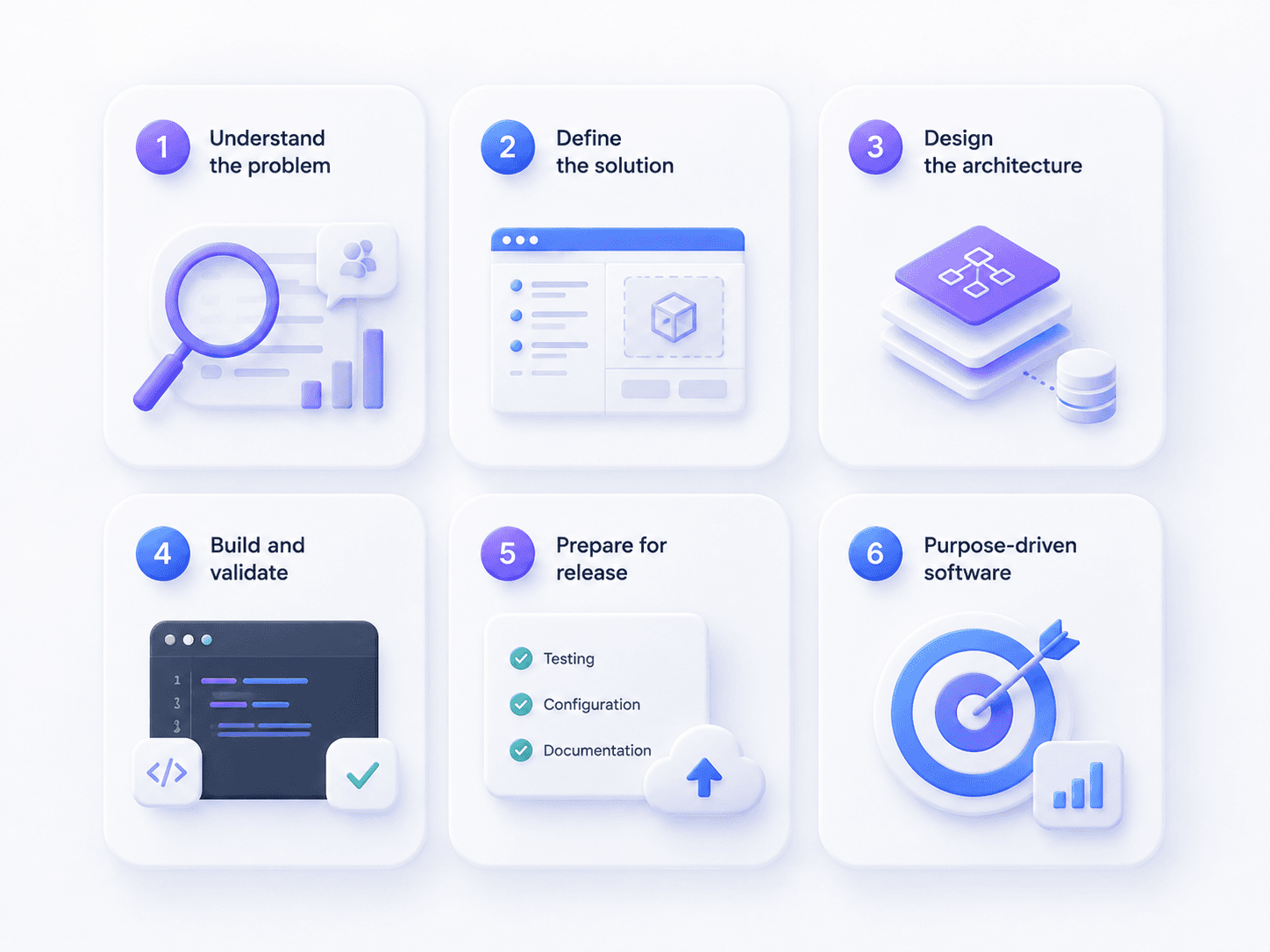
Custom-designed apps with smooth animation and consistent branding on both platforms.
01Custom-designed apps with smooth animation and consistent branding on both platforms.
 02
Apps that share skills, and often logic, with your React or Next.js web product. Web development services
03Swift and Kotlin modules for Bluetooth, payments, background tasks, widgets and SDKs that frameworks don't cover.
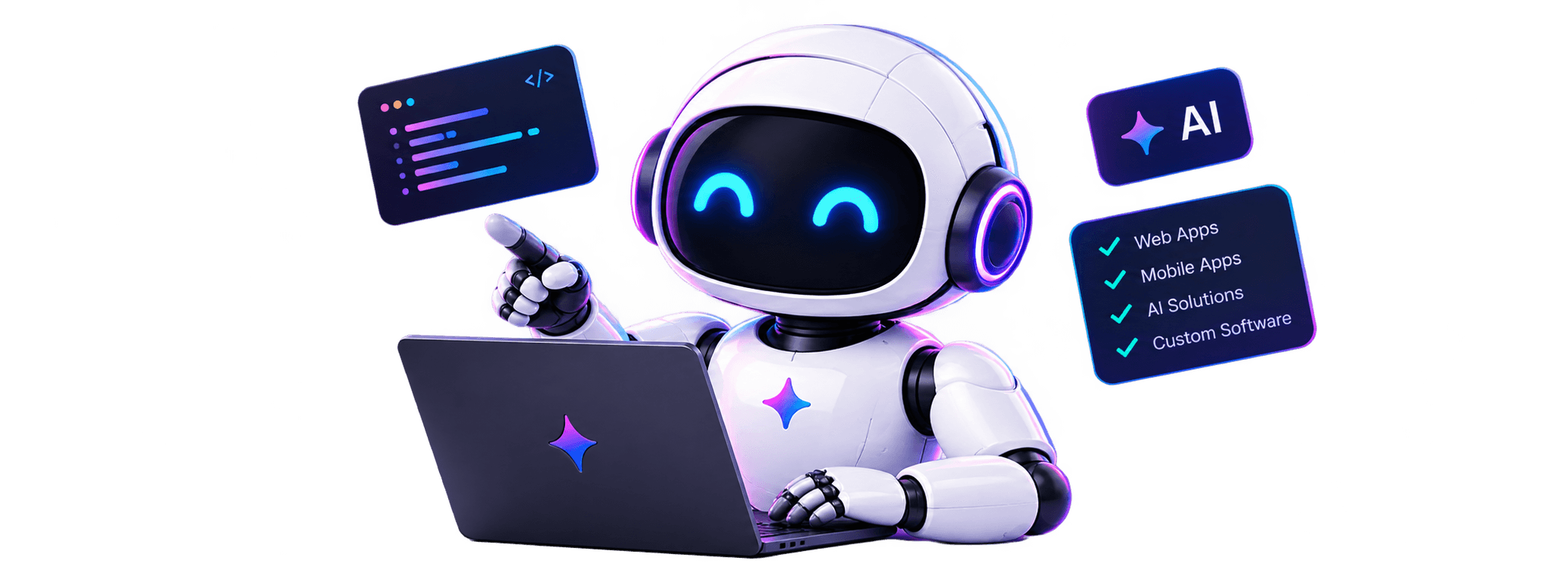 04
Replace two ageing native apps with one maintained codebase, released screen by screen.
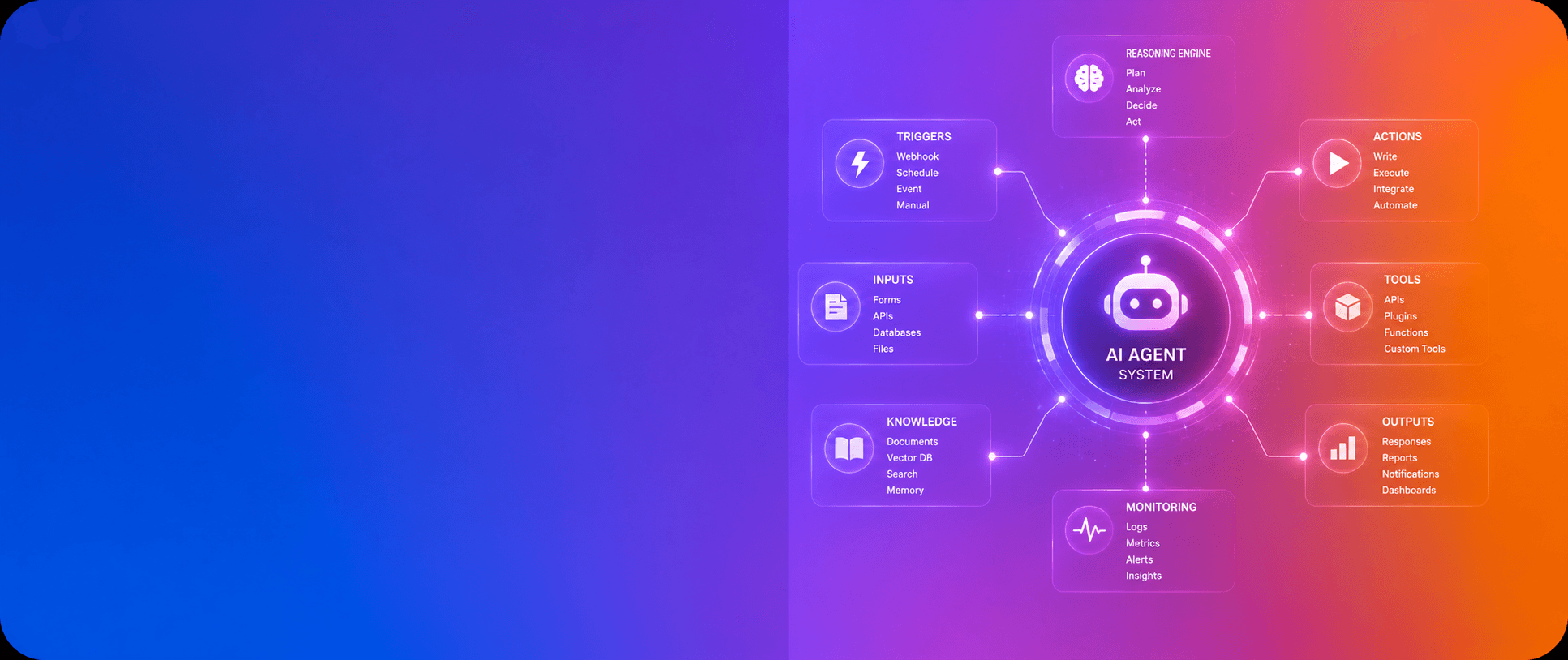 05
A launch on both stores in 10–14 weeks to test your idea with every user.
06Framework upgrades, OS release updates and performance tuning. Software maintenance and support
6 services · one delivery team
AI integration services
| AI feature | How we build it |
|---|---|
| Chat and in-app assistants | Shared UI with a secure backend calling the model, so keys never sit in the app |
| Recommendations | Server-side models with shared display components |
| Document and image scanning | Native ML modules on each platform behind one shared interface |
| Smart search | Hosted search with AI ranking, shared across iOS, Android and web |
Chat and in-app assistants
Recommendations
Document and image scanning
Smart search
We confirm features, native needs and your team's skills, then recommend Flutter or React Native. You get a fixed estimate.
We confirm features, native needs and your team's skills, then recommend Flutter or React Native. You get a fixed estimate.
One design system with platform-aware patterns, tested on both iPhone and Android. UI/UX design services
You get TestFlight and Google Play test builds every two weeks.
We handle App Store and Google Play submission, store listings and privacy forms, and a staged rollout on each platform.
New features ship to both platforms at once. Mobile app development
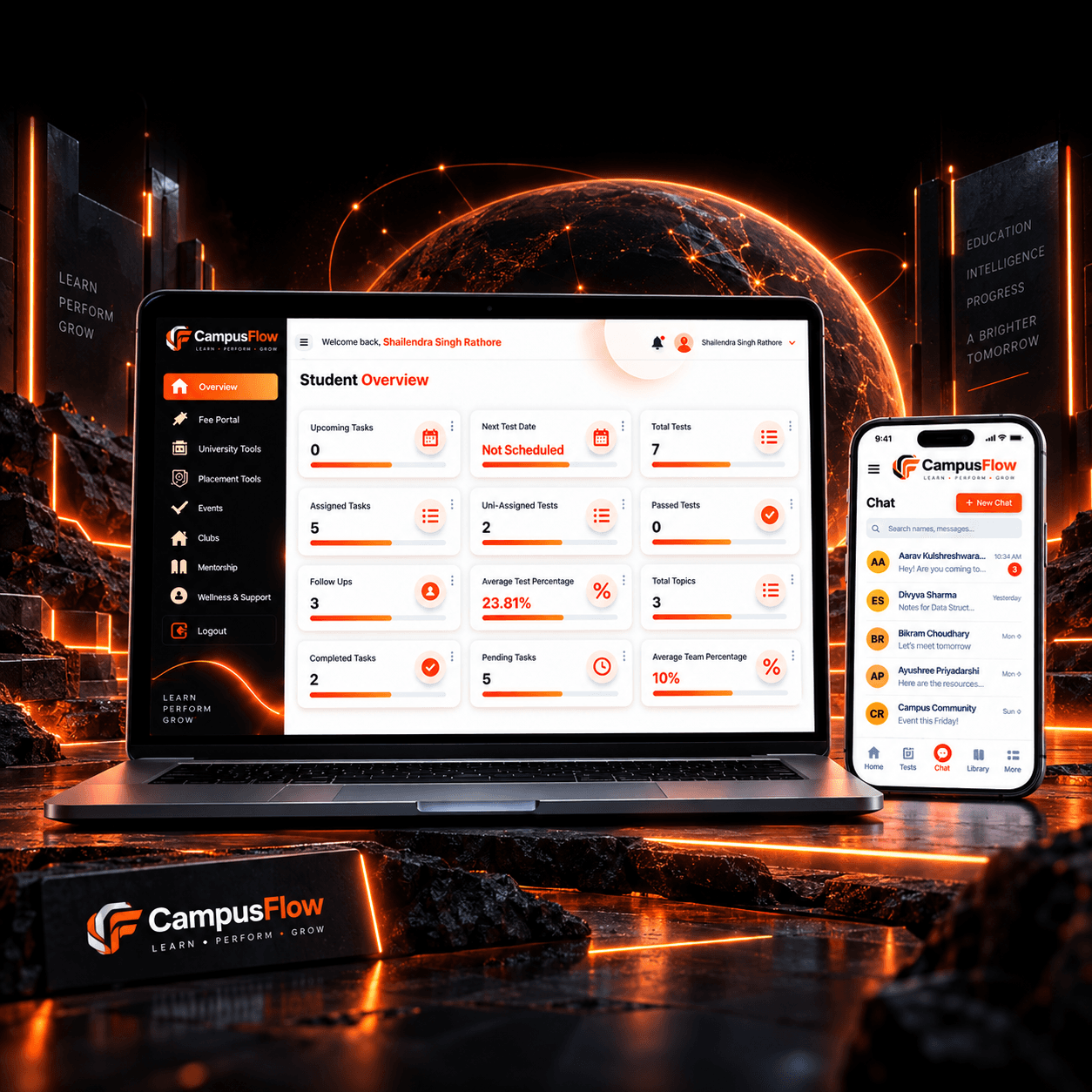
Challenge: students used a mix of iPhones and Android devices. Approach: one mobile experience with backend and admin tools for staff. Outcome: 1,850 students on the platform.
| App type | Typical cost | Timeline |
|---|---|---|
| Cross-platform MVP | $35,000 – $70,000 | 10–14 weeks |
| Business or consumer app with backend and admin | $70,000 – $120,000 | 4–6 months |
| Complex platform (marketplace, payments, real-time) | $120,000 – $250,000+ | 6–9 months |
Cross-platform MVP
Business or consumer app with backend and admin
Complex platform (marketplace, payments, real-time)
Tell us about your app and your timeline. We'll recommend the right framework and send a scoped estimate after discovery.
An honest answer is a good sign.
You'll need them sooner or later.
Ask about mid-range Android phones.
Ask for their upgrade policy.
You should.
We build cross-platform apps for the United States, the United Kingdom, Canada, Australia and the United Arab Emirates, with localisation and right-to-left support. Privacy is designed for CCPA, GDPR, PIPEDA and UAE PDPL requirements.

CCPA / CPRA
California privacy requirements, alongside sector-specific rules such as HIPAA and GLBA.

UK GDPR
UK General Data Protection Regulation and applicable data protection requirements.

PIPEDA
Personal Information Protection and Electronic Documents Act.

Privacy Act 1988
Australian Privacy Act 1988 and applicable privacy requirements.

UAE PDPL
Federal Personal Data Protection Law and applicable data protection requirements.
Work directly with senior engineers, get documented estimates and see working software every two weeks. We use AI to speed up development without compromising code quality. You retain ownership of your code, cloud accounts and documentation.
Explore Why THE TISA
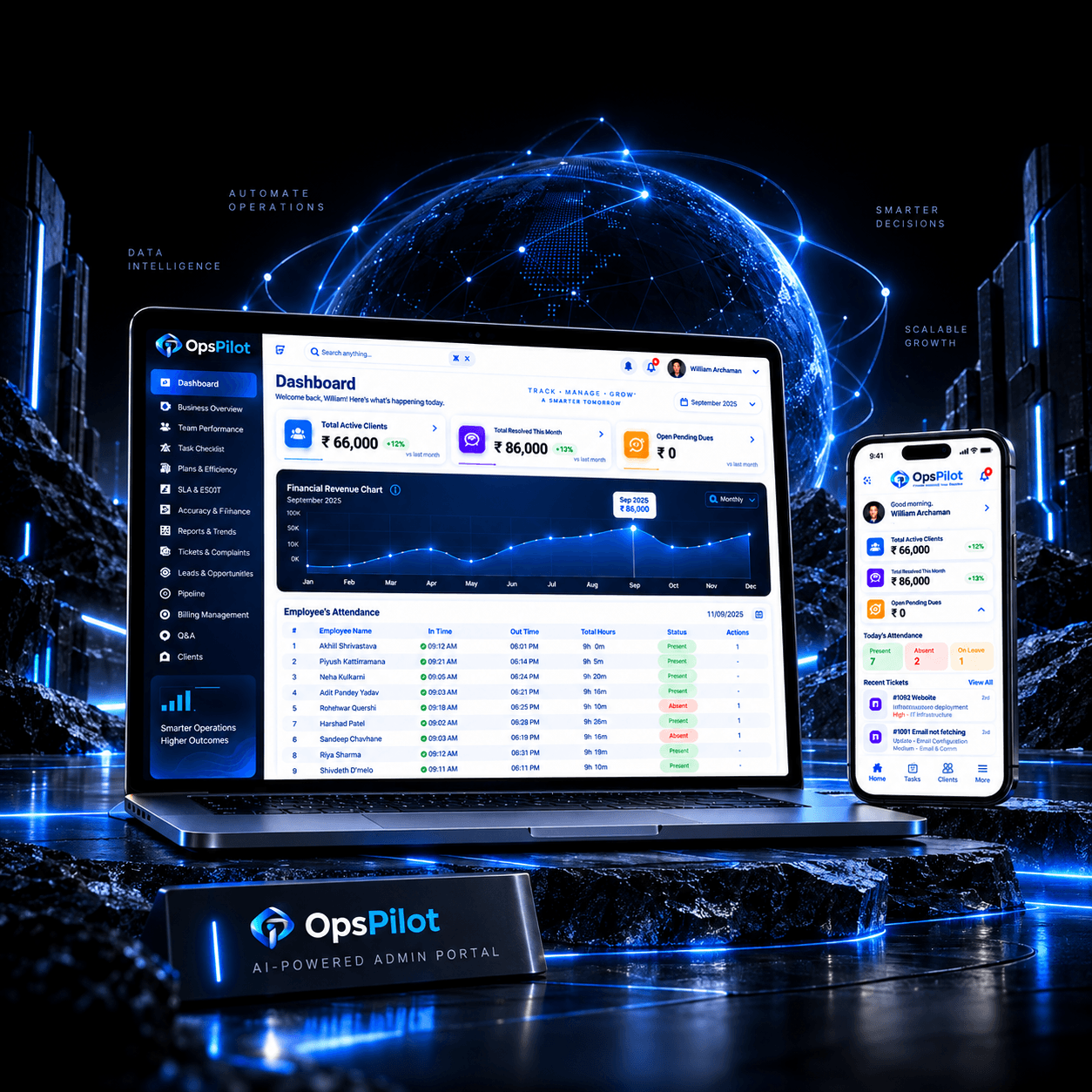
Every project below is custom AI software running for real users, not a demo. NovaMind AI is a multilingual RAG assistant that answers in English, Hindi and Hinglish with source citations. AJOX is a local-first AI desktop agent with approval-gated actions. OpsPilot is an AI-powered admin portal used by 2,850 people a month. Each case study shows the business problem, the architecture, the stack and the numbers.
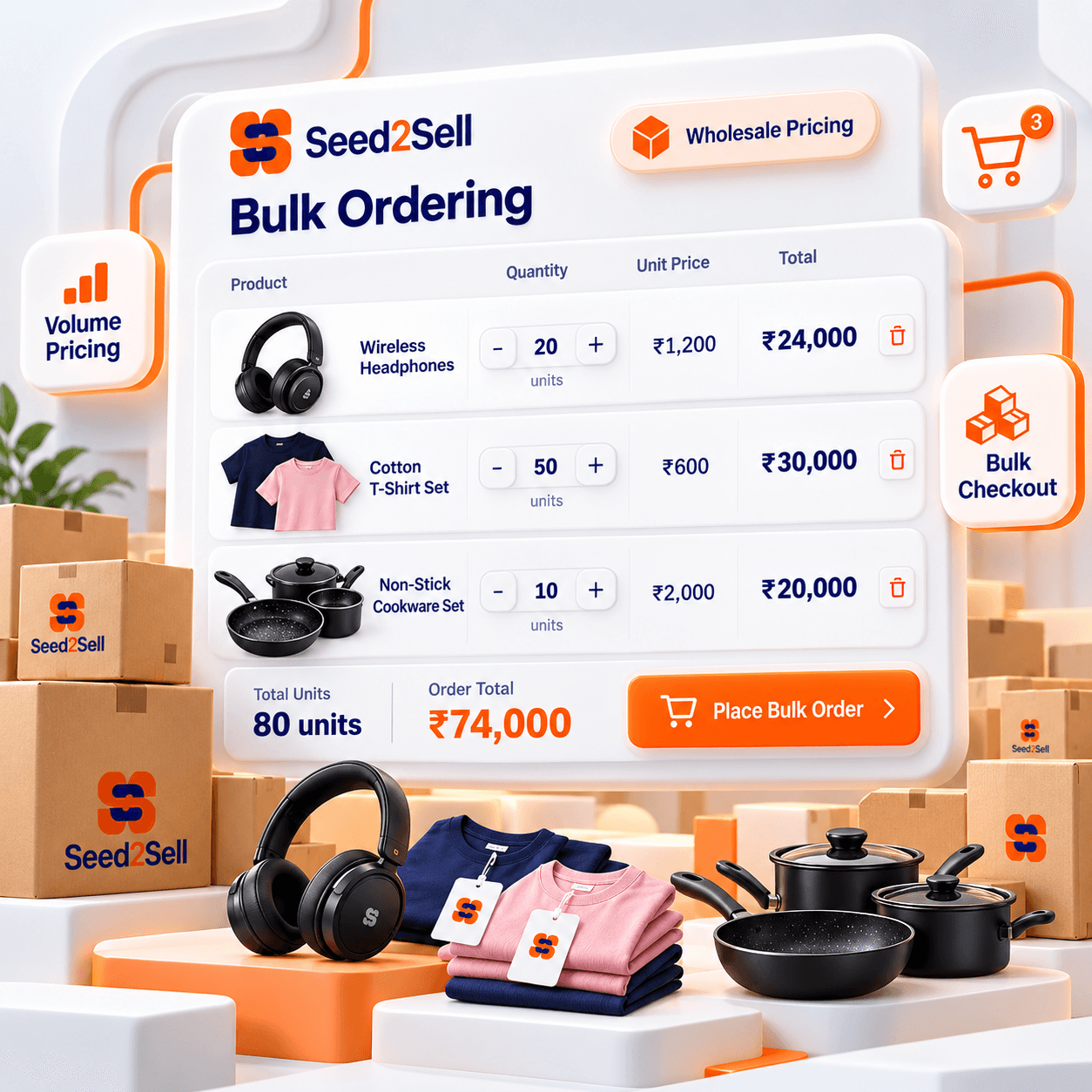
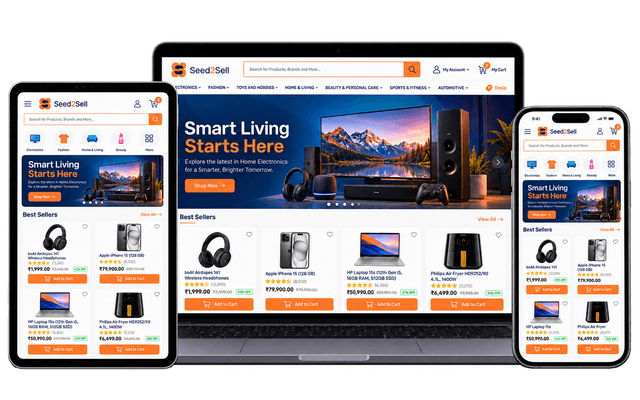
The Seed2Sell team, and other founders we have shipped with, on the work itself. These notes come from published case studies and from founders whose products we built, not from a rating we have not verified.
We really appreciate the TISA team. They are hardworking, committed, and clear about our needs. They built a platform that works well today and will grow with us in the future.
Seed2Sell
THE TISA demonstrated excellent project management, clear communication, and a highly professional approach throughout our collaboration. They delivered the project on time and exceeded our expectations with outstanding results.
Founder & CEO, NARSIK Logistics

THE TISA helped us build a reliable e-commerce operations platform with clean workflows, strong delivery, and a product foundation ready to scale.
Founder, EZSKU

The student portal gave us a structured platform to manage learning, operations, reporting, and AI-powered student support from one system.
Product Owner, Education Technology Platform

THE TISA delivered a scalable hotel platform with strong architecture, complex backend logic, and a performance-focused execution process.
Founder, Group Hotel Index

The platform helped us shape a modern multilingual learning experience with a clear product structure and dependable technical execution.
Director, Global Language Center
It's building one app from a single codebase that runs on both iOS and Android, usually with Flutter or React Native.
An MVP costs $35,000 – $70,000. A full business app with backend and admin costs $70,000 – $120,000.
React Native suits teams already using React. Flutter suits brand-heavy designs and custom animation. Both are mature and reliable.
For most business, commerce and content apps, yes. Native is better for heavy graphics, AR or very demanding real-time work.
Most business logic and screens are shared. Platform-specific features such as widgets and some payment flows need native code.
Often, yes. Flutter supports web, and React Native apps can share logic with a React web app.
Yes. We migrate in stages, screen by screen, so users don't notice the switch.
Yes. We plan for each store's rules and handle both submissions.
Yes, including chat assistants, recommendations, scanning and smart search.
You own the code, the Apple Developer account and the Google Play Console account.
Tell us about your app and your timeline. We'll recommend the right framework and send a scoped estimate after discovery.
Explore our work across 10 capability areas, from AI integrations and intelligent agents to web platforms, mobile apps, SaaS products, and cloud solutions. 20 projects are published as case studies.
Tell us about the workflow or product. A solutions architect replies within one business day.