

 01
Restaurant Ordering App Development
Branded iOS and Android apps plus web ordering for a single restaurant or chain, with pickup, curbside, delivery and scheduled orders.

Transform healthcare with AI-powered diagnostics, digital patient experiences, and intelligent healthcare management systems.
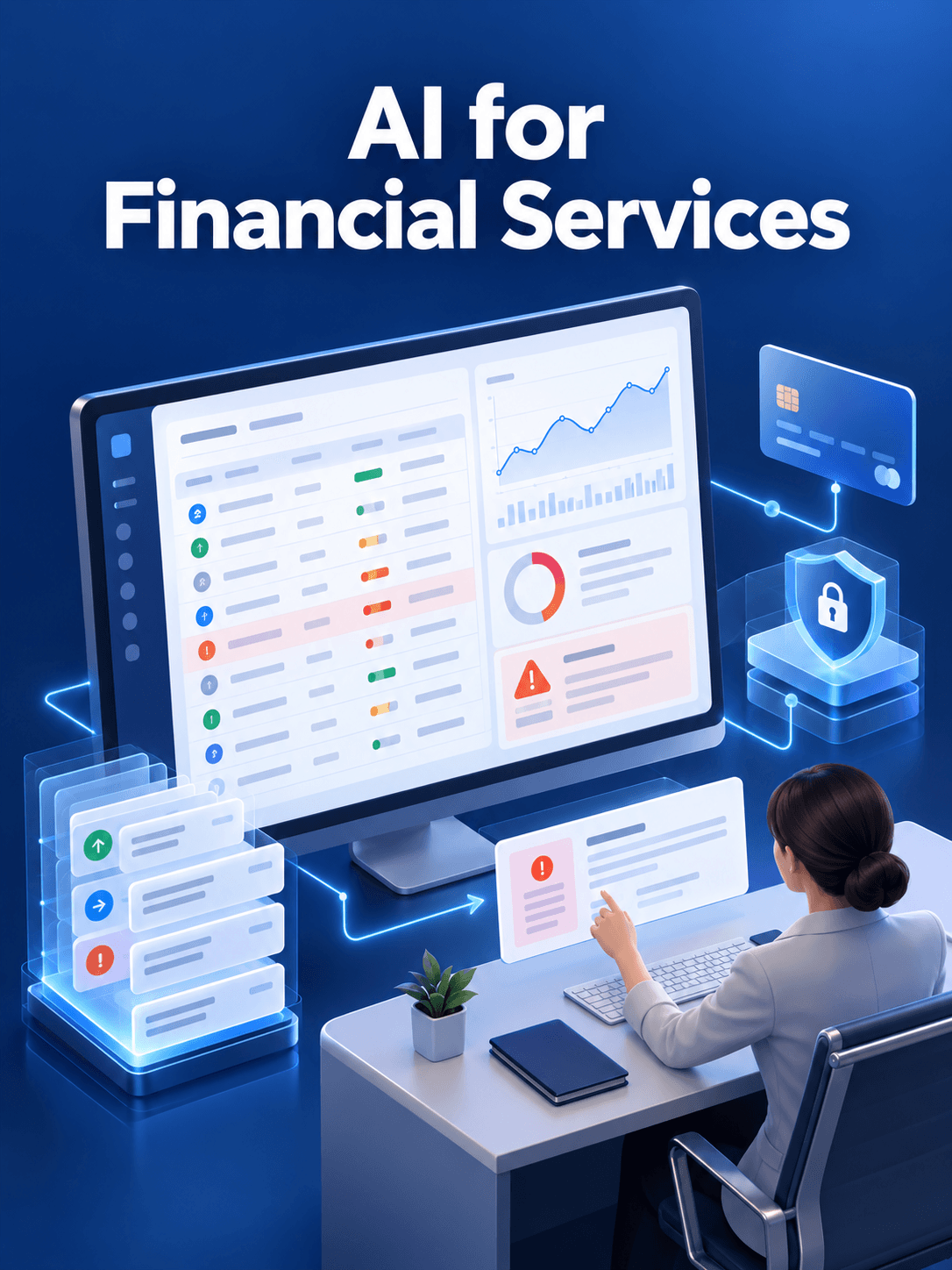
Modernize financial services with AI-driven insights, intelligent automation, secure digital banking, and smarter payment solutions.

Build smarter digital products with AI integration, scalable software development, cloud solutions, and intelligent automation.
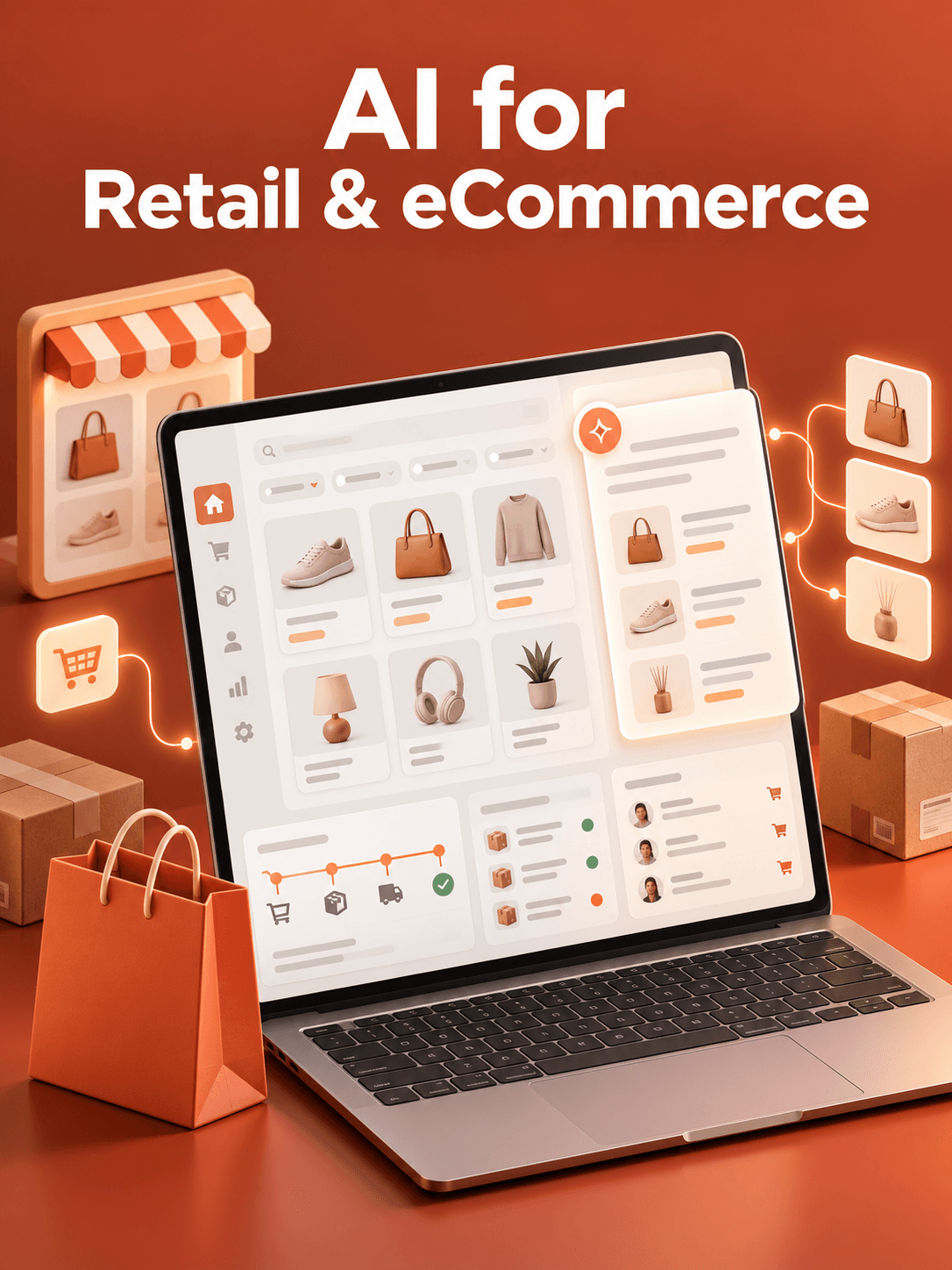
Elevate digital commerce with AI-powered personalization, intelligent recommendations, automated operations, and seamless shopping experiences.
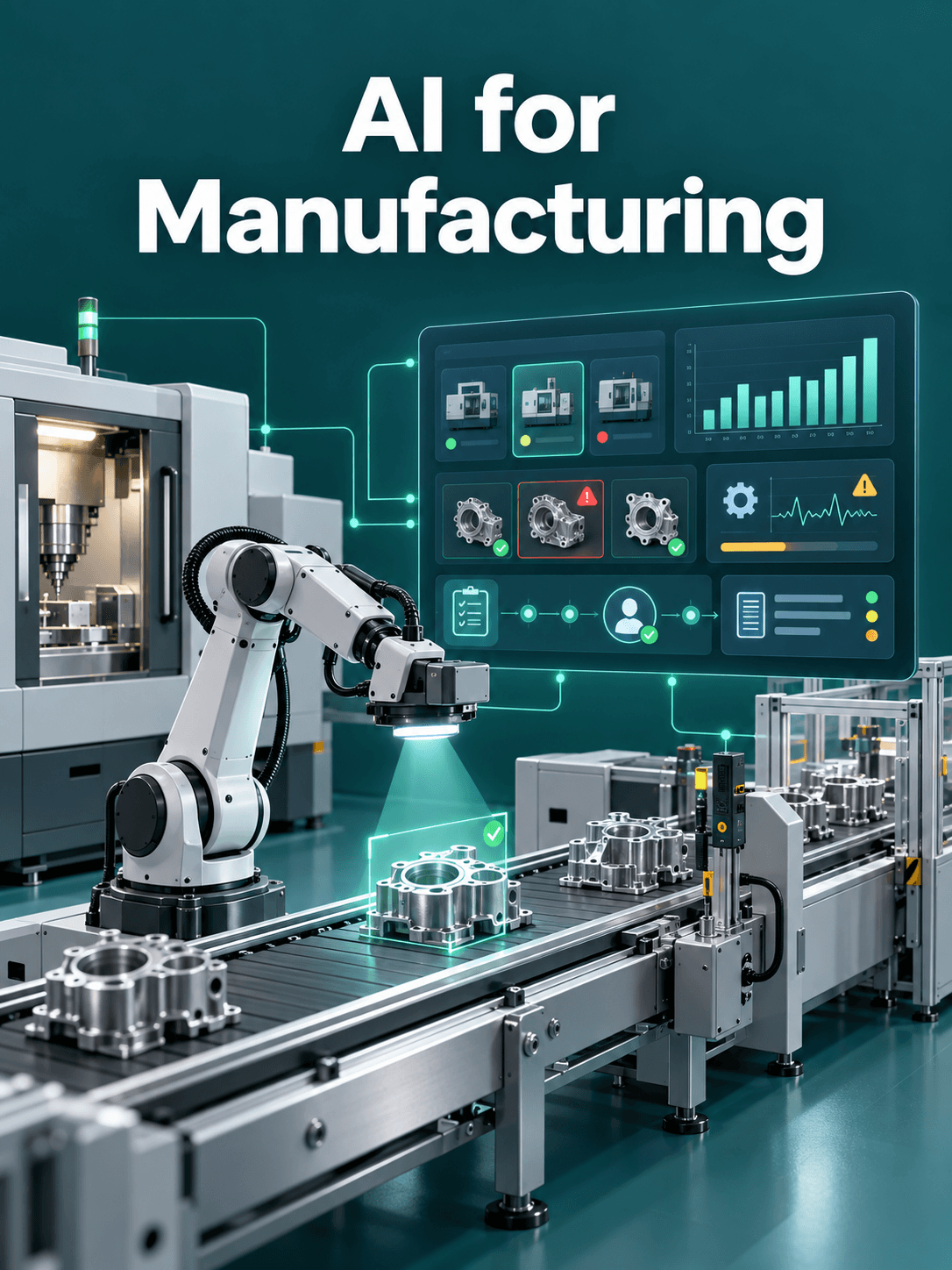
Accelerate smart manufacturing through AI-driven quality control, predictive maintenance, connected systems, and process automation.
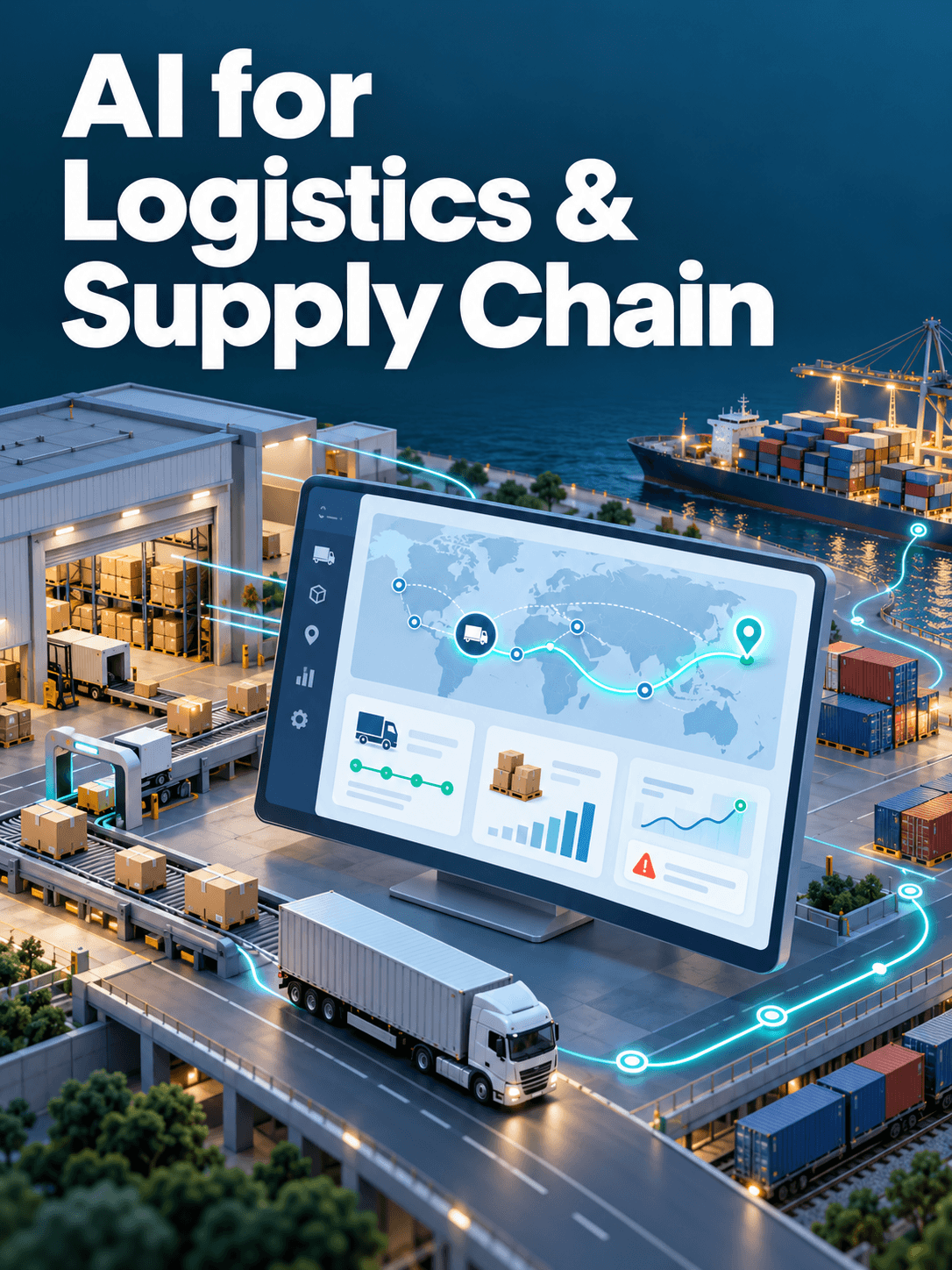
Optimize supply chains with AI-powered forecasting, intelligent route planning, real-time tracking, and automated logistics.
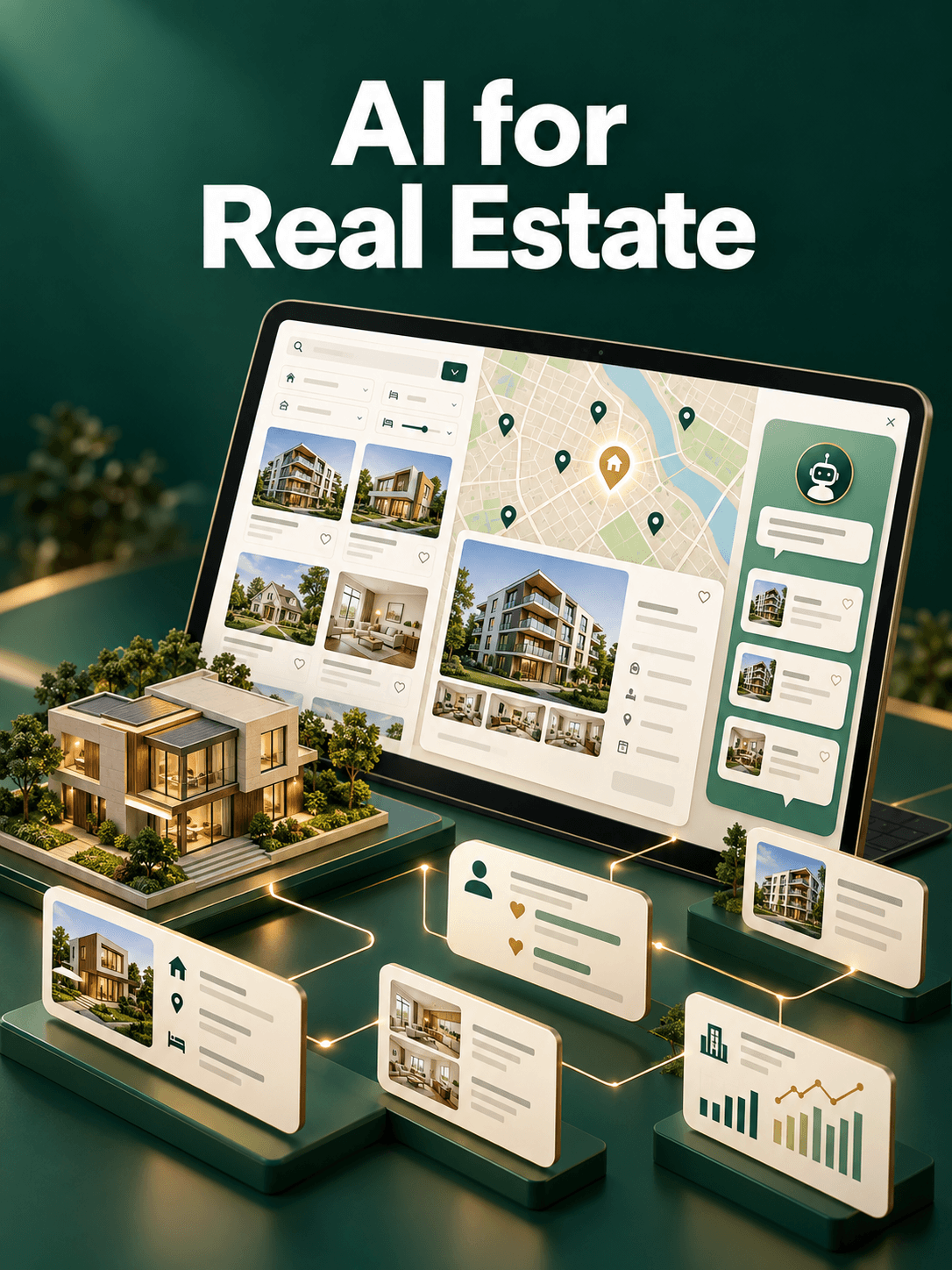
Reimagine real estate with AI-powered property insights, intelligent lead management, digital platforms, and automated workflows.

Advance public services with AI-driven workflows, intelligent citizen services, secure digital platforms, and process automation.
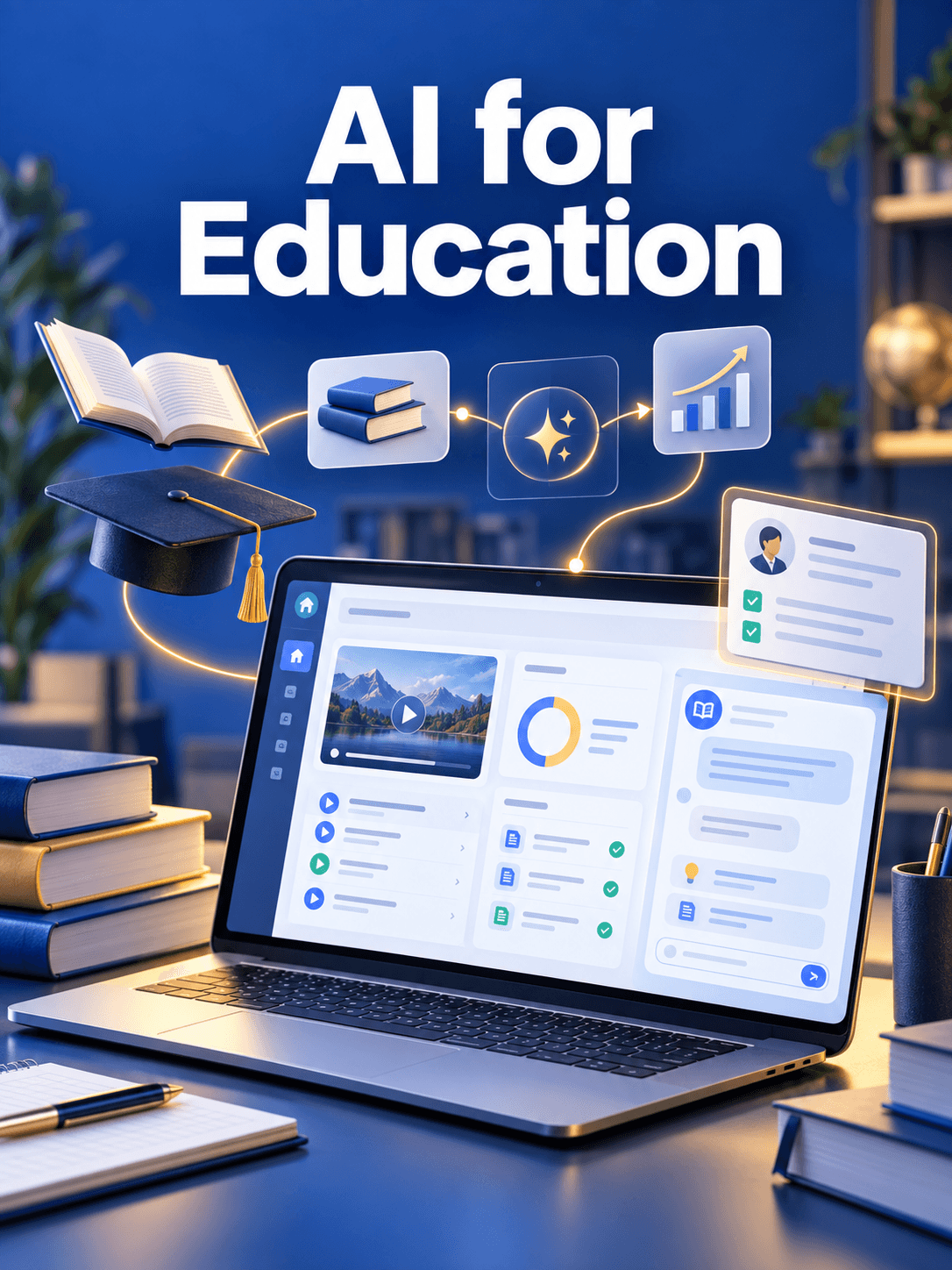
Redefine learning with AI-powered education tools, personalized learning experiences, intelligent platforms, and digital classrooms.
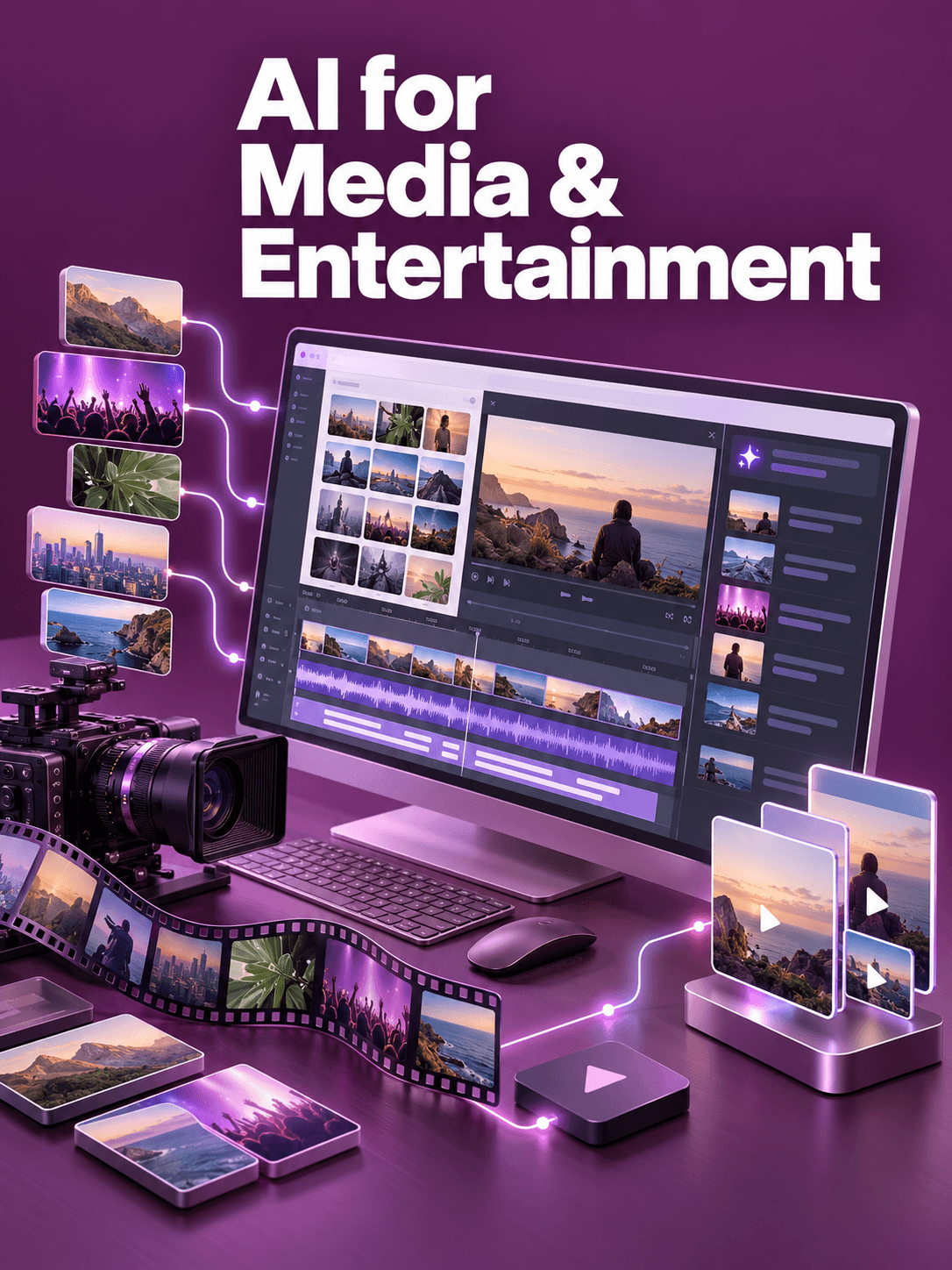
Transform content creation and delivery with generative AI, intelligent recommendations, workflow automation, and immersive digital experiences.
Modernize insurance with AI-powered risk assessment, automated claims processing, predictive analytics, and intelligent customer experiences.
Enhance travel and hospitality with AI-powered booking experiences, personalized recommendations, intelligent assistance, and automated operations.
Modernize legal workflows with AI-assisted research, intelligent document processing, workflow automation, and secure digital solutions.
Drive smarter energy operations with AI-powered forecasting, predictive maintenance, intelligent monitoring, and resource optimization.
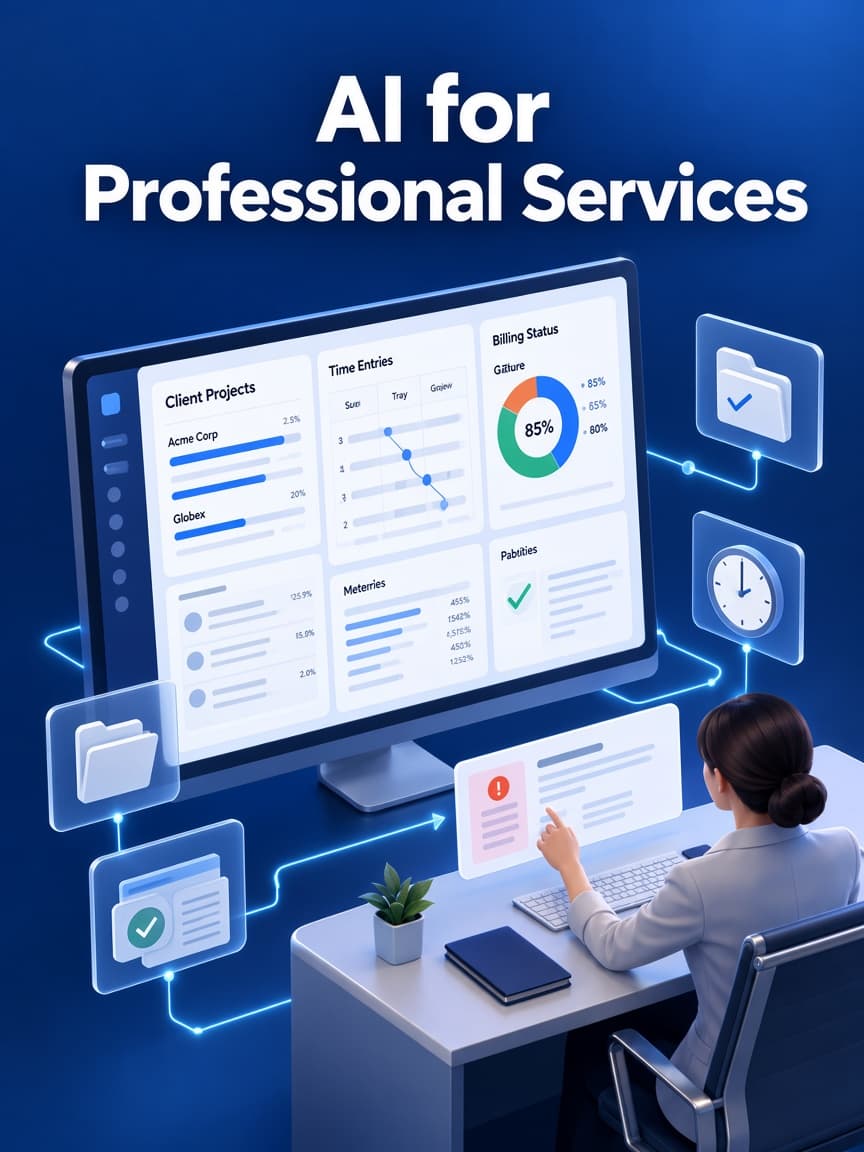
Empower professional services with AI-driven productivity, intelligent workflow automation, data insights, and connected digital solutions.
Explore AI-powered solutions, intelligent automation, and digital experiences built to move your business forward.
Recognition
Build your own ordering and delivery experience around your restaurant operations. Connect customer ordering, kitchen workflows, driver assignment and payment status without relying on manual coordination. THE TISA is a food delivery app development company for US restaurant groups, franchise brands, cloud kitchens, grocers and delivery marketplace startups. We build customer ordering apps, driver apps, restaurant and kitchen dashboards, and the POS, payment and dispatch integrations that tie them together. Explore THE TISA’s published project case studies to review relevant delivery experience.


Top Rated
 CampusFlow
 EZSKU
 Group Hotel Index
 LockYantra
 Narsik Logistics
 OpsPilot
 Ratiwal
 Speakify
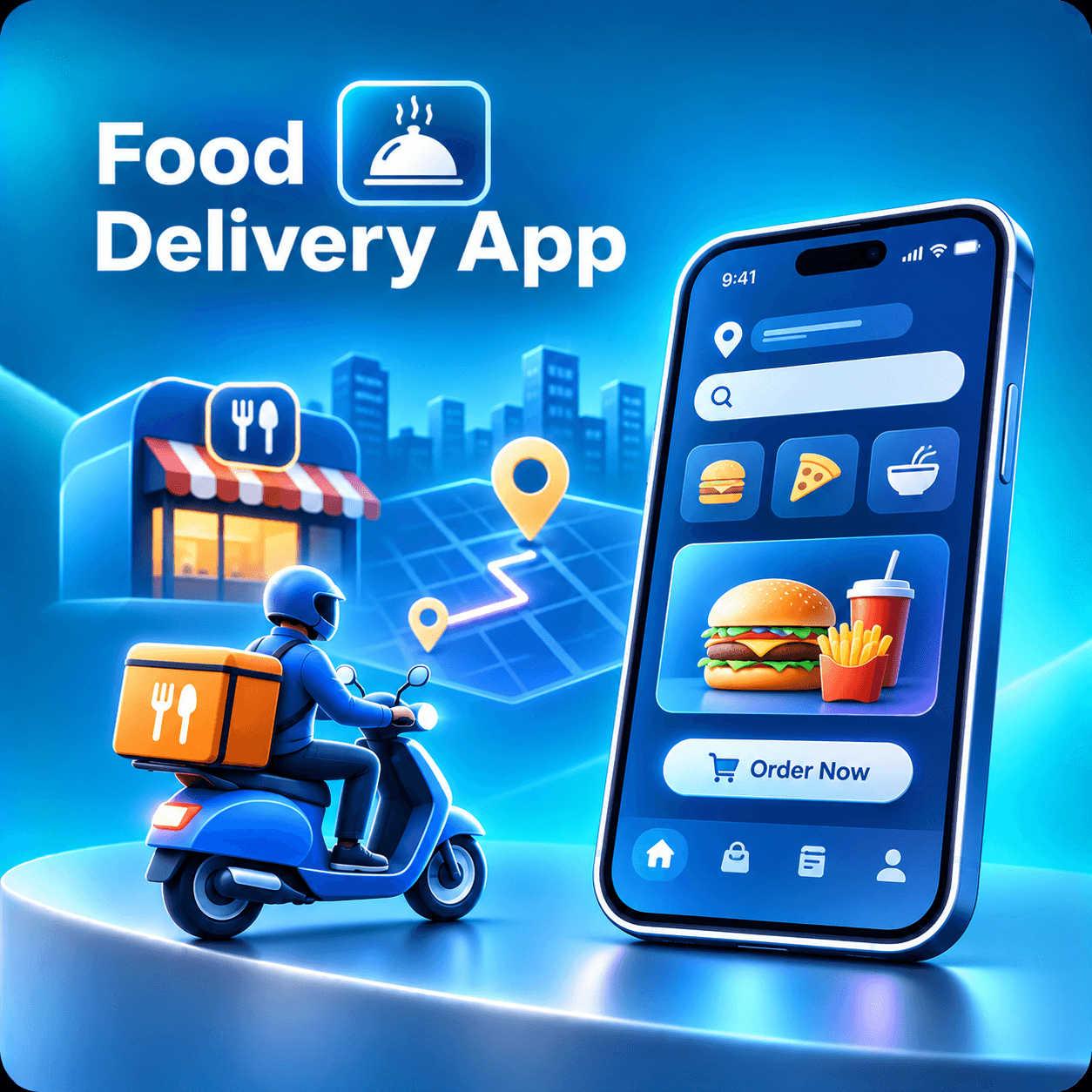
Food delivery app development is the process of building apps that let customers order food online and get it delivered or ready for pickup.
A complete system includes a customer app, a restaurant or kitchen dashboard, a driver app (or integration with a delivery service), an admin panel, and integrations with your POS, payments and loyalty program.
A single-brand ordering app costs about $40,000 – $90,000. A multi-restaurant marketplace like DoorDash costs about $100,000 – $300,000 or more.
Choose direct ordering or a multi-restaurant marketplace based on unit economics and operational responsibilities.
Define menu availability, order acceptance, refunds and delivery exceptions at discovery.
The model decides the features, the cost and the operations. We start every project by confirming which one fits.
| Model | Who it's for | What you need | Typical cost |
|---|---|---|---|
| Single-brand ordering app | Restaurants and chains | Ordering, pickup and delivery, POS sync, loyalty | $40,000 – $90,000 |
| Multi-location chain or franchise | Brands with many locations | Location routing, menu by store, franchise reporting | $80,000 – $160,000 |
| Multi-restaurant marketplace | Startups building a DoorDash-style platform | Restaurant onboarding, commissions, driver dispatch, payouts | $100,000 – $300,000+ |
| Cloud or ghost kitchen | Delivery-only brands | Multi-brand menus from one kitchen, order batching | $60,000 – $140,000 |
| Grocery and convenience delivery | Grocers and quick-commerce startups | Large catalogues, substitutions, picker app, delivery slots | $90,000 – $250,000 |
Single-brand ordering app
Multi-location chain or franchise
Multi-restaurant marketplace
Cloud or ghost kitchen
Grocery and convenience delivery
The model decides the features, the cost and the operations. We start every project by confirming which one fits.
Branded iOS and Android apps plus web ordering for a single restaurant or chain, with pickup, curbside, delivery and scheduled orders.
01Branded iOS and Android apps plus web ordering for a single restaurant or chain, with pickup, curbside, delivery and scheduled orders.
 02
DoorDash, Uber Eats or Deliveroo-style platforms with restaurant onboarding, commissions, promotions, driver dispatch and automated payouts. On-demand app development
03One kitchen running several delivery brands, with combined order queues and preparation timing.
 04
Large catalogues, substitutions, picker and packer apps, delivery slots and inventory sync.
 05
Order assignment, navigation, proof of delivery, cash handling and earnings for in-house drivers.
06Points, tiers, referral rewards, birthday offers and personalised push campaigns that bring customers back.
6 services · one delivery team
We plan point-of-sale integrations around menu, price, availability and order synchronization. Providers such as Toast, Square, Clover and Lightspeed can be evaluated during discovery; availability and implementation depend on supported APIs, merchant access and integration scope.
01We plan point-of-sale integrations around menu, price, availability and order synchronization. Providers such as Toast, Square, Clover and Lightspeed can be evaluated during discovery; availability and implementation depend on supported APIs, merchant access and integration scope.
02Use your own drivers, a delivery-as-a-service partner such as DoorDash Drive or Uber Direct, or both. Your customers still order in your app and your brand stays front and centre.
03Cards, Apple Pay, Google Pay, gift cards and tips through Stripe, Square or Braintree, with split payments for marketplaces. Fintech development
04Orders go to kitchen screens grouped by station with timers, so the line knows what to fire and when.
05Address autocomplete, delivery zones, live driver tracking and accurate ETAs.
| App | Key features |
|---|---|
| Customer app | Menu browsing, item customisation, cart, scheduled orders, pickup or delivery, live tracking, reorder, loyalty wallet, ratings |
| Restaurant dashboard | Order queue, accept and prep times, menu and availability control, pause ordering, reports |
| Driver app | Job offers, route navigation, pickup confirmation, proof of delivery, earnings |
| Admin panel | Restaurant and driver management, zones and fees, promotions, refunds, analytics |
Customer app
Restaurant dashboard
Driver app
Admin panel
AI integration services
| AI feature | Business value | Human control |
|---|---|---|
| Personalised menus and upsells | Higher average order value | Marketing sets rules and exclusions |
| Prep time and ETA prediction | Fewer cold-food complaints | Kitchen can adjust times live |
| Demand forecasting | Better staffing and inventory | Managers make the final call |
| Smart driver dispatch | Faster deliveries at lower cost | Dispatchers can override |
| Support assistant | Handles "where's my order" and simple refunds | Staff approve larger refunds |
Personalised menus and upsells
Prep time and ETA prediction
Demand forecasting
Smart driver dispatch
Support assistant
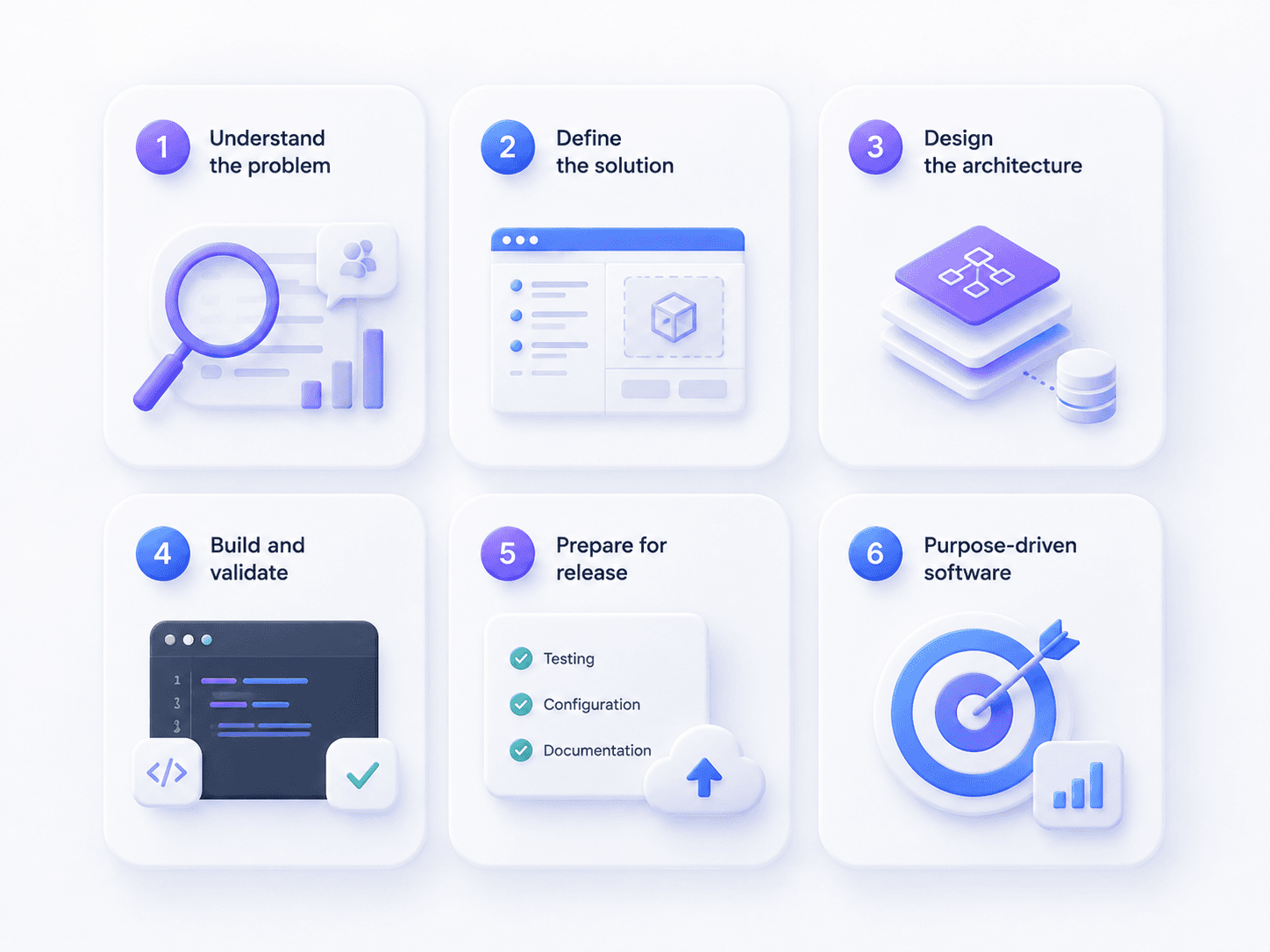
We confirm your model, locations, POS, fulfilment approach and loyalty goals. You get a feature list per app and a fixed estimate.
We confirm your model, locations, POS, fulfilment approach and loyalty goals. You get a feature list per app and a fixed estimate.
Ordering and checkout flows designed to cut taps and tested with real customers. UI/UX design services
POS and payments first, then the customer app, restaurant dashboard and driver flows. You see a working demo every two weeks.
We launch at one location, watch order accuracy and kitchen timing, then roll out store by store.
Loyalty campaigns, app store optimisation, menu analytics and regular releases. Software maintenance and support
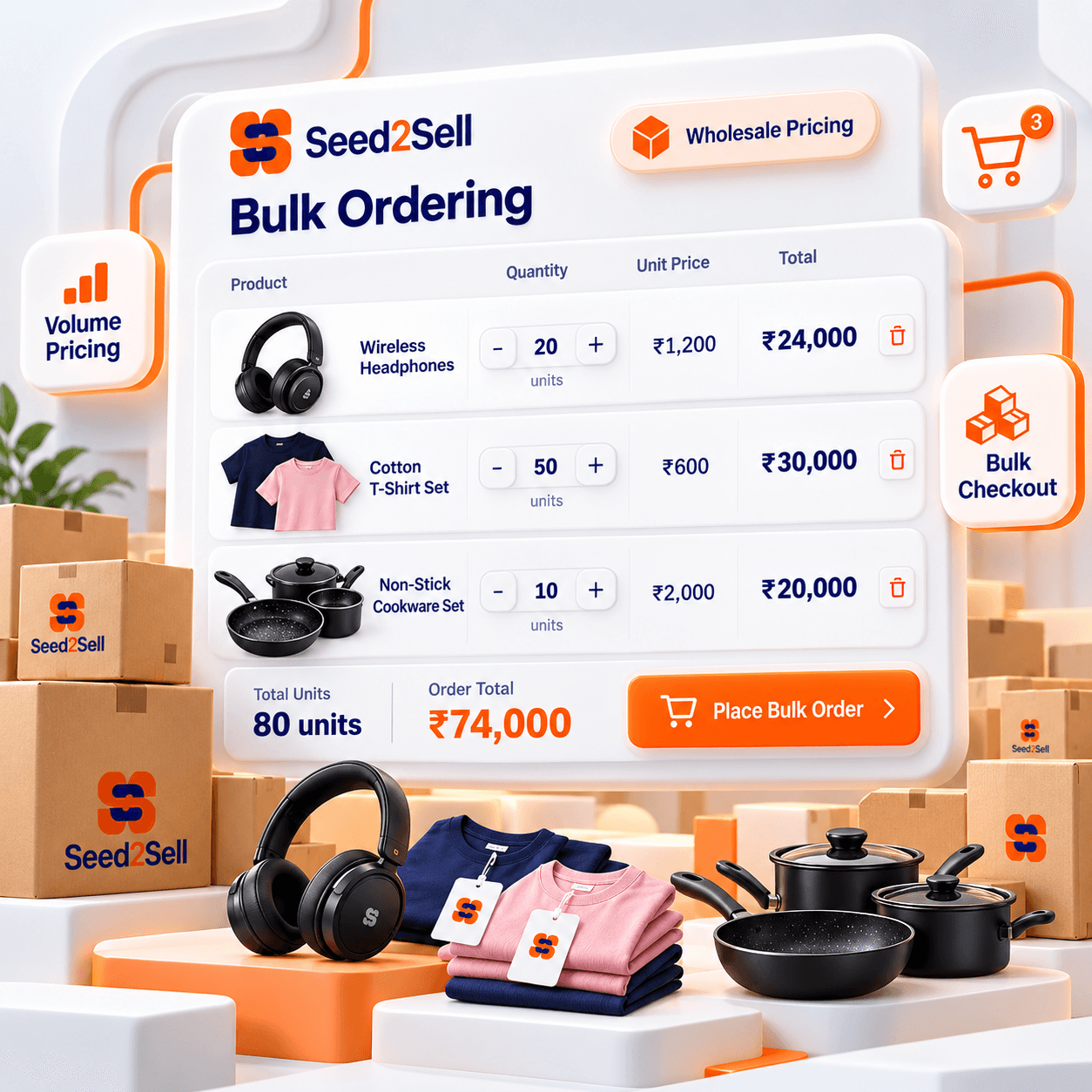
Challenge: buyers, sellers and operators needed separate tools in one ordering platform. Approach: three role-based dashboards on one backend with order workflows. Outcome: buyer, seller and admin dashboards live on a single platform, the same structure a delivery marketplace needs.
See the model table above for full ranges. The biggest cost drivers are the number of apps, POS and delivery integrations, marketplace features such as commissions and payouts, and AI features.
See the model table above for full ranges. The biggest cost drivers are the number of apps, POS and delivery integrations, marketplace features such as commissions and payouts, and AI features.
Tell us about your locations, POS and delivery setup. We'll recommend the right model and send a scoped estimate after discovery.
Ask for specifics, not a logo slide.
Flexibility protects your margin.
Manual updates cause wrong orders.
Ask how they load-test.
Clones are cheap until you need to change them.
We build food delivery apps for the United States, the United Kingdom, Canada, Australia and the United Arab Emirates, including Talabat- and Deliveroo-style platforms with local payments, tax rules and Arabic interfaces. Privacy follows CCPA, GDPR, PIPEDA and UAE PDPL requirements.

CCPA / CPRA
California privacy requirements, alongside sector-specific rules such as HIPAA and GLBA.

UK GDPR
UK General Data Protection Regulation and applicable data protection requirements.

PIPEDA
Personal Information Protection and Electronic Documents Act.

Privacy Act 1988
Australian Privacy Act 1988 and applicable privacy requirements.

UAE PDPL
Federal Personal Data Protection Law and applicable data protection requirements.
Work directly with senior engineers, get documented estimates and see working software every two weeks. We use AI to speed up development without compromising code quality. You retain ownership of your code, cloud accounts and documentation.
Explore Why THE TISA
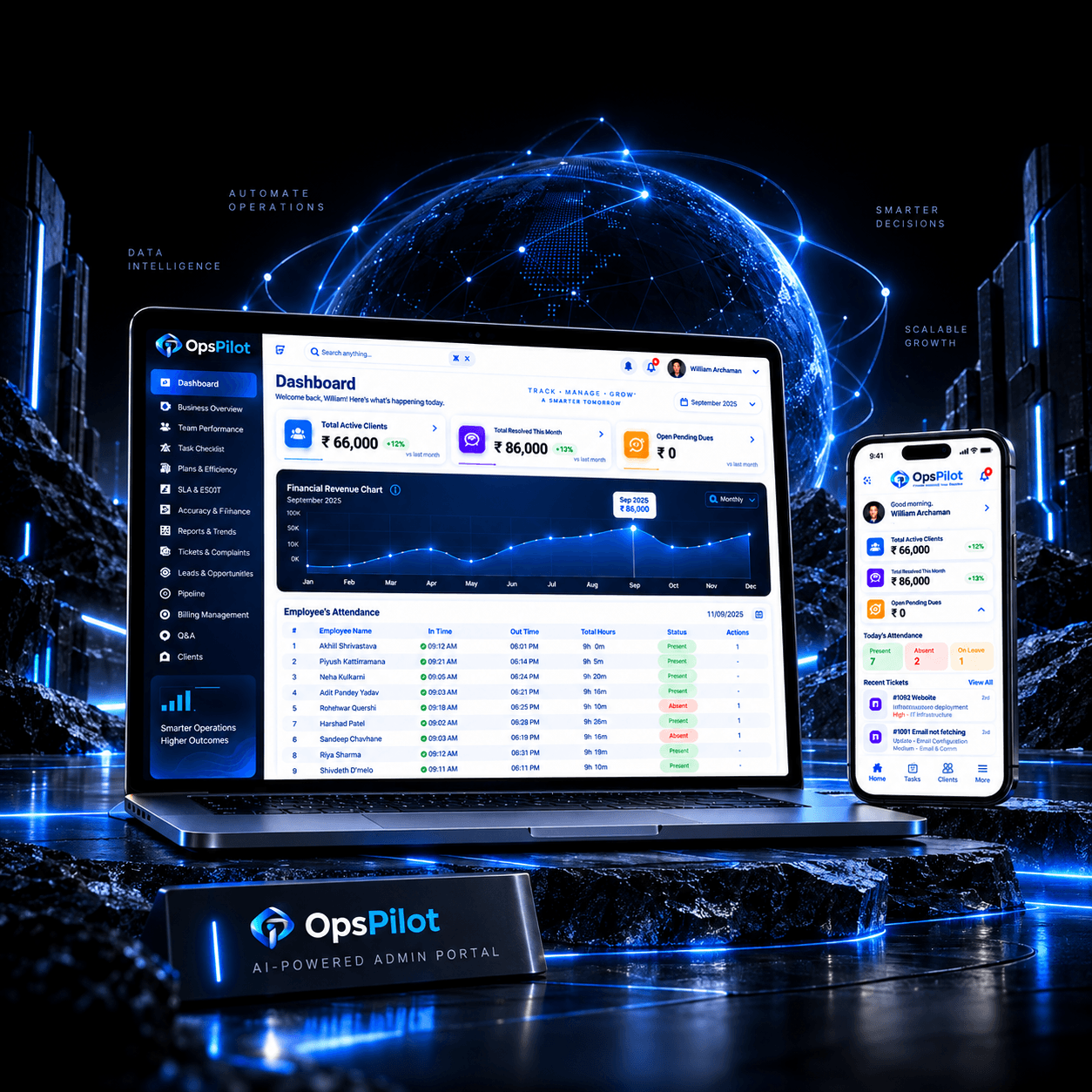
Every project below is custom AI software running for real users, not a demo. NovaMind AI is a multilingual RAG assistant that answers in English, Hindi and Hinglish with source citations. AJOX is a local-first AI desktop agent with approval-gated actions. OpsPilot is an AI-powered admin portal used by 2,850 people a month. Each case study shows the business problem, the architecture, the stack and the numbers.
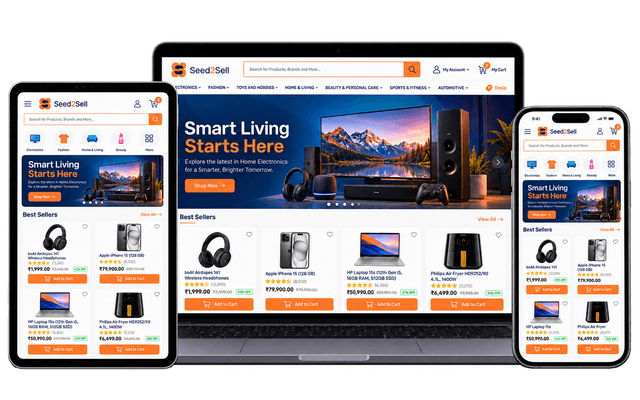
The Seed2Sell team, and other founders we have shipped with, on the work itself. These notes come from published case studies and from founders whose products we built, not from a rating we have not verified.
We really appreciate the TISA team. They are hardworking, committed, and clear about our needs. They built a platform that works well today and will grow with us in the future.
Seed2Sell
THE TISA demonstrated excellent project management, clear communication, and a highly professional approach throughout our collaboration. They delivered the project on time and exceeded our expectations with outstanding results.
Founder & CEO, NARSIK Logistics

THE TISA helped us build a reliable e-commerce operations platform with clean workflows, strong delivery, and a product foundation ready to scale.
Founder, EZSKU

The student portal gave us a structured platform to manage learning, operations, reporting, and AI-powered student support from one system.
Product Owner, Education Technology Platform
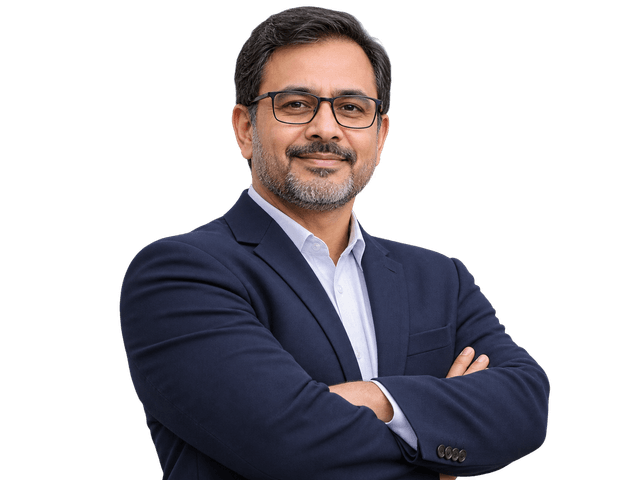
THE TISA delivered a scalable hotel platform with strong architecture, complex backend logic, and a performance-focused execution process.
Founder, Group Hotel Index

The platform helped us shape a modern multilingual learning experience with a clear product structure and dependable technical execution.
Director, Global Language Center
A single-restaurant ordering app costs about $40,000 – $90,000. A multi-restaurant marketplace costs about $100,000 – $300,000 or more.
A restaurant ordering app takes about 3–4 months. A marketplace platform takes 5–9 months.
Yes. We build custom marketplaces with restaurant onboarding, commissions, driver dispatch and payouts.
Yes. We integrate with major POS systems such as Toast, Square and Clover, directly or through middleware.
No. You can use your own drivers, a delivery partner such as DoorDash Drive or Uber Direct, or both.
Through loyalty points, exclusive offers, lower prices than marketplaces and a faster reorder experience.
Yes, including large catalogues, substitutions, picker apps and delivery slots.
Yes, including personalised upsells, ETA prediction, demand forecasting and support assistants.
It can work for a quick test. Most brands outgrow it because the code is locked and hard to customise.
You own the code, the store accounts and all customer data.
Tell us about your locations, POS and delivery setup. We'll recommend the right model and send a scoped estimate after discovery.
Explore our work across 10 capability areas, from AI integrations and intelligent agents to web platforms, mobile apps, SaaS products, and cloud solutions. 20 projects are published as case studies.
Tell us about the workflow or product. A solutions architect replies within one business day.